Presence, or Polaroid Ghosts (Part 11)

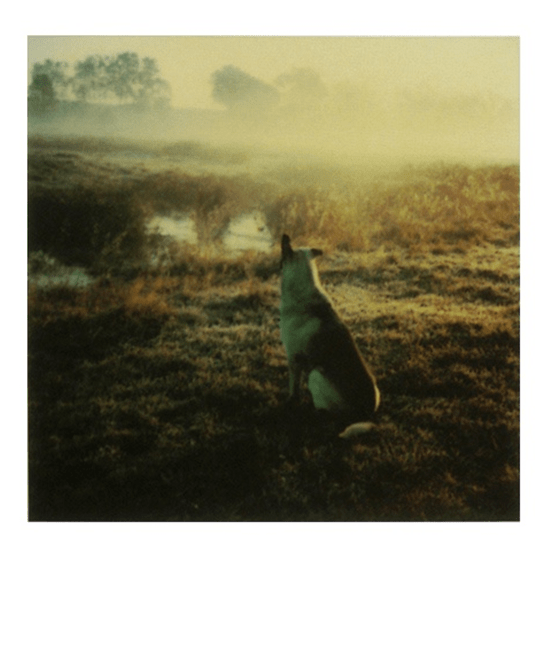
Part 10 Over time, we become strangers to ourselves in Polaroids. We take them, not to create memories, but to help retain them. Sometimes this is unnecessary. At other times, it is essential if we want to remember moments in our lives. This is an idea realised perfectly in Christopher Nolan’s debut feature, Memento (2000). It is a film that essentially sits on the cusp … Continue reading Presence, or Polaroid Ghosts (Part 11)

Presence, or Polaroid Ghosts (Part 1)

‘There is a spectre inside every photograph.’ – Deborah Levy, The Man Who Saw Everything Haunting I am haunted by Polaroids. After I have taken one, I feel I have bottled something. Under my bed is a box in which I store them. It is sealed tight with a stone atop to keep the spirits locked inside. At night, I swear I sometimes hear the … Continue reading Presence, or Polaroid Ghosts (Part 1)

They Lay With Debris – Wreckage in Tarkovsky’s Stalker (1979)

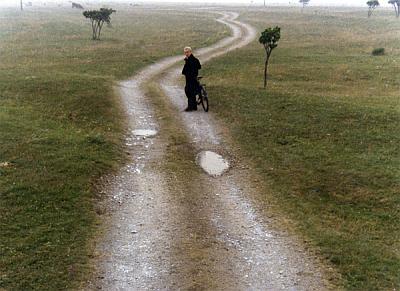
“In the morning they leave. The animals, birds, and insects that watched in horror through the long night creep out from their hiding places. And what do they see? Old spark plugs and old filters strewn around… Rags, burnt-out bulbs, and a monkey wrench left behind… And of course, the usual mess—apple cores, sweet wrappers, charred remains of the campfire, cans, bottles, somebody’s handkerchief, somebody’s … Continue reading They Lay With Debris – Wreckage in Tarkovsky’s Stalker (1979)

The Breeze In The Grass – Elemental Realisation in Tarkovsky’s Mirror (1975).

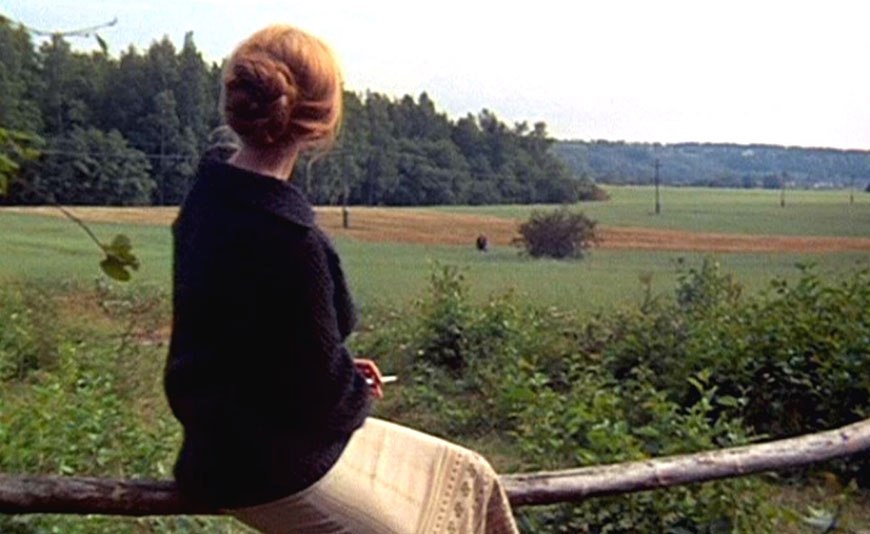
In last month’s issue of Sight & Sound (November, 2015) Nick James details his relationship with the cinema of Andrei Tarkovsky in line with the season of films he’s curated for the BFI.  Though the article is chiefly surrounding Tarkovsky’s (vast) legacy, one aspect in particular caught my attention whilst reading.  He refers to a scene from Tarkovsky’s 1975 film, Mirror, which partly accounted for … Continue reading The Breeze In The Grass – Elemental Realisation in Tarkovsky’s Mirror (1975).

The Forests Of Ivan’s Childhood (1962) – Andrei Tarkovsky.

For a film about war, Ivan’s Childhood (1962) by Andrei Tarkovsky dwells quite unexpectedly upon the natural landscape of its narrative.  At first, this might seem somewhat unsurprising; after all, most films set during war often make use of the battered terrain of the landscape, if only to show the fallout and power of the weaponry available.  Ivan’s Childhood does more than this and contains … Continue reading The Forests Of Ivan’s Childhood (1962) – Andrei Tarkovsky.

Norte, The End Of History – Lav Diaz (2013).

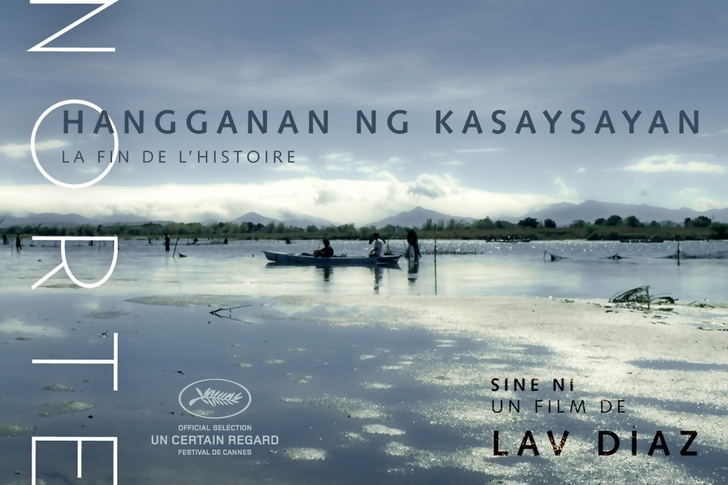
This review contains plot details. Dostoevsky is a brutal writer, wringing moral development out of human suffering and calamity perhaps like no other.  When approaching his film adaptations, there is a gulf between the filmmakers that get clogged down with obsessive period details (a problem that plagues adaptations of that other great humanistic Russian, Tolstoy) and the filmmakers that understand that it is the emotional … Continue reading Norte, The End Of History – Lav Diaz (2013).

Short Film – Artefacts (Super 8 film).

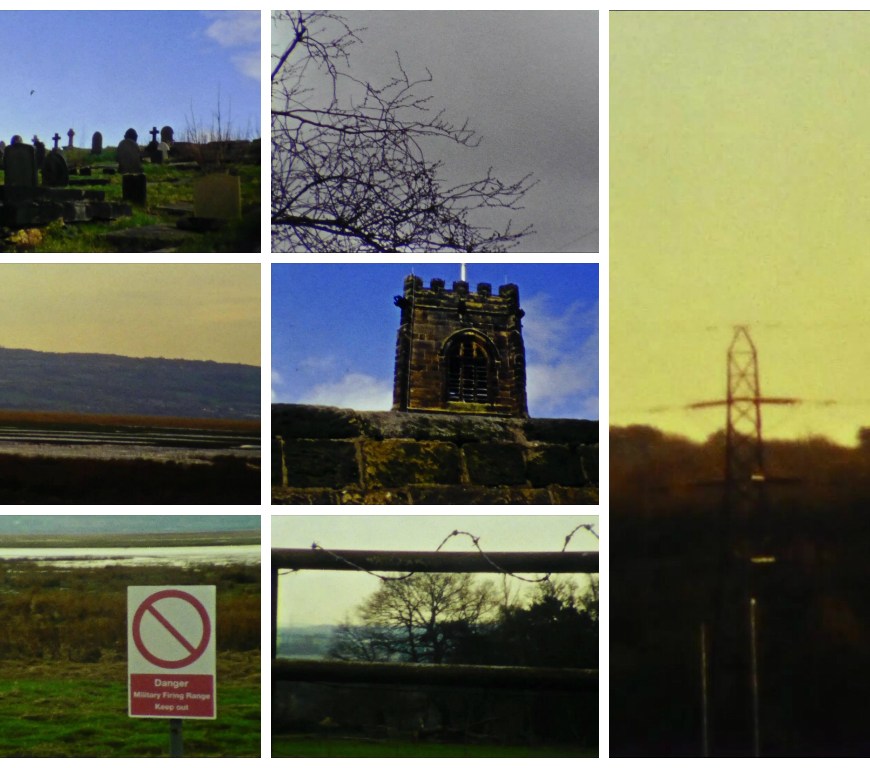
Synopsis.  Artefacts (2014) is a short video piece shot on super 8 film.  It captures the rural vistas around The Wirral which show hints of civilisation but fail to show the true presence of humanity.  These rural areas are littered with man-made objects but the natural wilderness has won through, creating a sense of the uncanny and eerie in places almost haunted by their emptiness … Continue reading Short Film – Artefacts (Super 8 film).

Elemental Chaos and Eternal Return in Scriabin and Andrei Tarkovsky – Part 4 (Zarathustra).

Part 1. Part 2. Part 3. The Eternal Return and Zarathustra’s Gift. “-and must we not return down that other lane out before us, down that long, terrible lane – must we not return eternally?” – Nietzsche (1883/1986, p.241). The final section of this argument refers back to Nietzsche and his writing on the Eternal Return.  His work on the subject, both philosophically in The … Continue reading Elemental Chaos and Eternal Return in Scriabin and Andrei Tarkovsky – Part 4 (Zarathustra).

Elemental Chaos and Eternal Return in Scriabin and Andrei Tarkovsky – Part 5 (ANS Synthesiser + Conclusions).

Part 1. Part 2. Part 3.  Part 4. The ANS Synthesiser and the Final Parallel. “Has man any hope of survival in the face of all the patent signs of impending apocalyptic silence?” Tarkovsky (1987, p.229) Scriabin and Tarkovsky have a final meeting place outside of the philosophical.  This meeting, on the one hand, seems almost to be coincidental but further inspection suggests that it is … Continue reading Elemental Chaos and Eternal Return in Scriabin and Andrei Tarkovsky – Part 5 (ANS Synthesiser + Conclusions).

Elemental Chaos and Eternal Return in Scriabin and Andrei Tarkovsky – Part 3 (Natural and Cyclic Rejuvenation)

Part 1. Part 2. Natural Forces and Cyclic Rejuvenation. “Critical neglect of this reference to Nietzsche is even more puzzling, however, when one considers that Nietzsche’s doctrine of the Eternal Return is a philosophical re-interpretation of the theme of Time for Time was, after all, a major obsession with Tarkovsky. As is well known, Tarkovsky’s preferred way of characterizing the art of filmmaking was as … Continue reading Elemental Chaos and Eternal Return in Scriabin and Andrei Tarkovsky – Part 3 (Natural and Cyclic Rejuvenation)