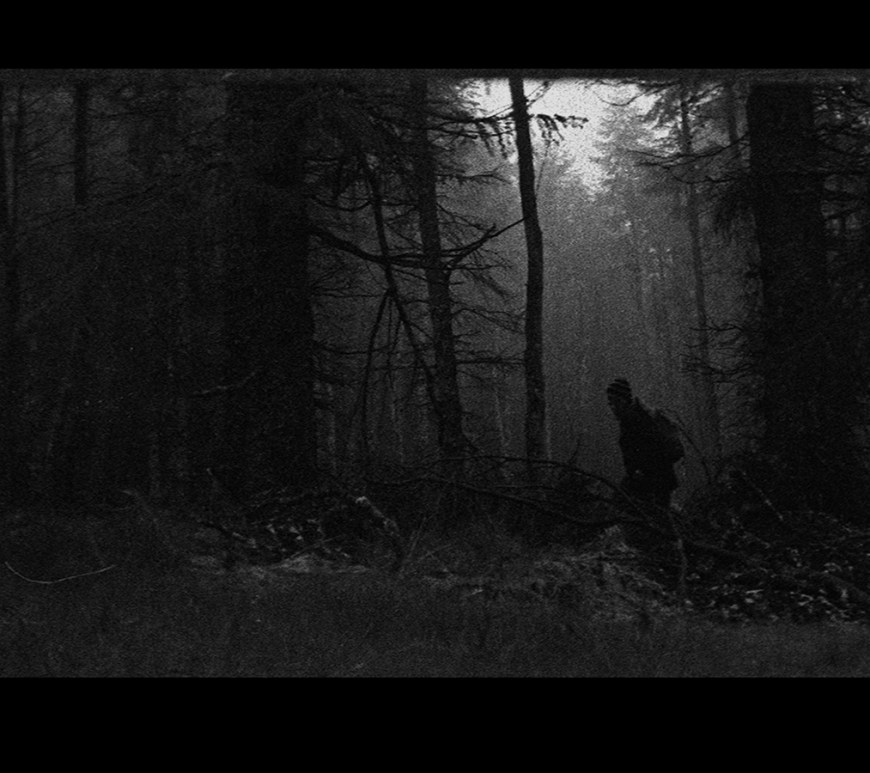
Landscapes of Pasolini (Oedipus Rex, Theorem, Pigsty).

While trailing through the film work of Pier Paolo Pasolini, it becomes clear that the director has an eye for capturing specific moments that manage to visually remain with the viewer.  Whether it’s the floating maid in Theorem (1968), the walking on water in The Gospel According to St. Matthew (1964) or any number of images from Salò (1975), the director is often defined by … Continue reading Landscapes of Pasolini (Oedipus Rex, Theorem, Pigsty).


David Lynch’s Musical Formations of Cinematic Ideas (The Big Dream).

David Lynch has a very clear and obvious interest in music. This interest finds its way into his films via a number of different methods and often build upon the director’s main recurring themes and ideas. What makes David Lynch distinct from other American directors with interests in music such as Martin Scorsese and Woody Allen is that Lynch’s interest has peaked at a point … Continue reading David Lynch’s Musical Formations of Cinematic Ideas (The Big Dream).

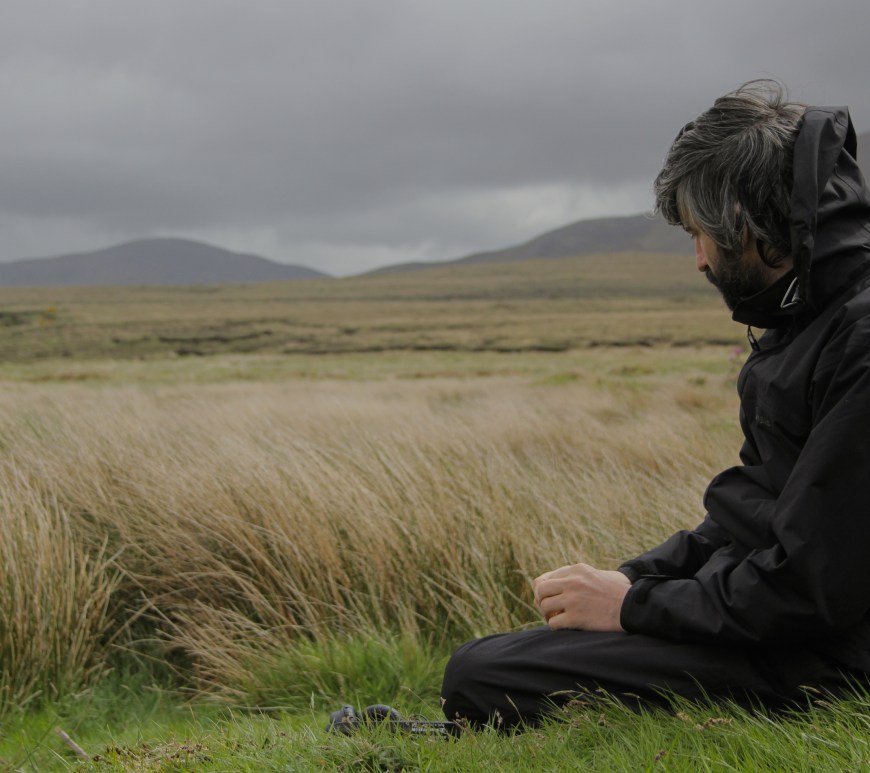
Two Years At Sea (Ben Rivers) – Geographical Solitude and Company in Objects.

Cause and effect may not perhaps be the first aspect that comes to mind when considering Ben Rivers’ feature debut Two Years At Sea (2011). Yet, looking at the implications of the lifestyle on show, itself a deliberate effect of causation from working at sea for two years to be able to afford to live a more isolated life, there is a great sense of … Continue reading Two Years At Sea (Ben Rivers) – Geographical Solitude and Company in Objects.

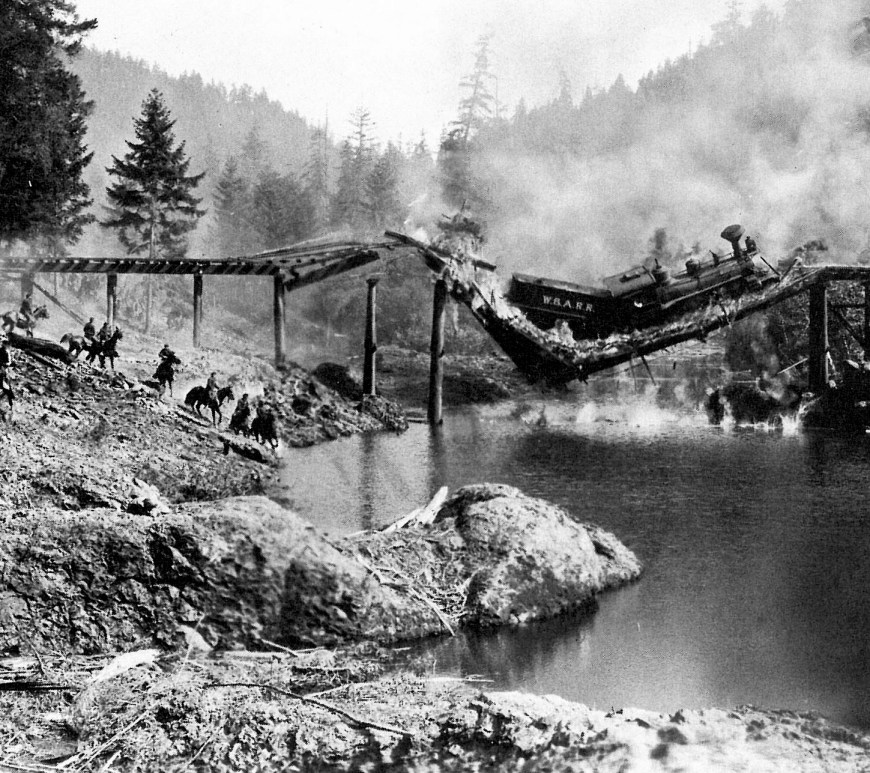
Train to Train – Early Rhythms of Silent Film (Lumière and Keaton)

During the first quarter of film history, film language very quickly cemented itself into forms that would stay that way in mainstream cinema until the middle of the 20th century. Looking back at the surviving imagery of the first era of film (i.e. the silent era), it’s easy to see how these forms quickly solidified and became the norm for the typical and the innovative … Continue reading Train to Train – Early Rhythms of Silent Film (Lumière and Keaton)

Interview with Pat Collins (Silence, 2012).

Pat Collins may perhaps be better known for his engaging documentaries but this year sees the release of his debut feature film in the UK.  Silence is a stunning debut film, full of philosophy, poetry and visual beauty.  The film shows a confidence within the new form as well as an expert use of layering different emotions and textures upon one another.  A full analysis … Continue reading Interview with Pat Collins (Silence, 2012).

Persona (1966) – Consequences of a Silent World (Ingmar Bergman)

This article contains spoilers. Though drenched in visual complexities and sharp, hap-hazard editing, Ingmar Bergman’s Persona (1966) is film that is aurally interesting as it is exhilarating to view.  Its opening segment of film footage from all corners of cinematic life, spliced together to form a montage of passing thoughts and nightmares, is actually a beautifully put together piece of sound editing as well.  This … Continue reading Persona (1966) – Consequences of a Silent World (Ingmar Bergman)

Alphaville (1965) and the Absurdities of Cinema – Jean-Luc Godard.

Jean-Luc Godard’s Alphaville (1965) was one of the first pieces of non-Anglo American cinema that I watched.  It may have been diving in toward the deep end in some regards but something became very striking about the film as its running time trickled by. It said more than other dystopias, noirs or sci-fi but this “more” wasn’t to do with anything that could be described … Continue reading Alphaville (1965) and the Absurdities of Cinema – Jean-Luc Godard.

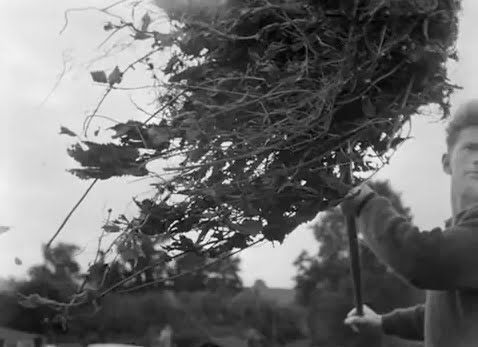
The Early Short Films of David Gladwell.

David Gladwell may be more well known as Lindsay Anderson’s editor on such cinematic masterpieces as If…. (1968) and O Lucky Man! (1973) but his own directorial endeavours are equally worthy of discussion and analysis, especially in their relation to both his editorial work and his own creative trajectories. Whether it is the, very English, visual language of his first four short films or the … Continue reading The Early Short Films of David Gladwell.

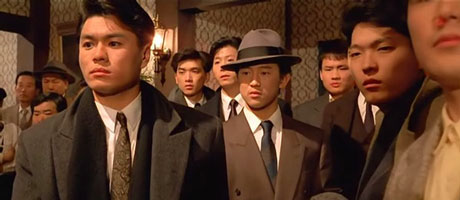
The General’s Son (1990) and Genre-Film Subversion (Im Kwon-Taek).

Im Kwon-Taek’s post Seopyeonje (1993) work perhaps feeds into the more art house desires and pressures from the west but on the cusp of this, his earlier genre film work still managed to show through in his 1990 film The General’s Son.  While on its faded surface is a relatively clichéd crime drama with added kung-fu style violence, in between its more ridiculous and pulpy … Continue reading The General’s Son (1990) and Genre-Film Subversion (Im Kwon-Taek).

Chi-hwa-seon (2002) – Im Kwon-Taek.

The preservation and evolution of South Korean cultural traditions became the dominant focus of Im Kwon-Taek’s films after the ease of censorship in a change of government regime.  A number of his post-genre cinema began to address this though the real cultural reactions can be found in later work which can effectively be called post-Cannes; meaning the cinema he made during his currently slow but … Continue reading Chi-hwa-seon (2002) – Im Kwon-Taek.