The Ravenous Poor in Heath Era British Cinema.

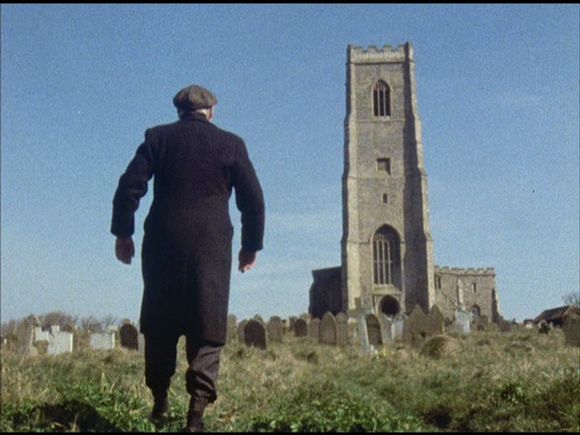
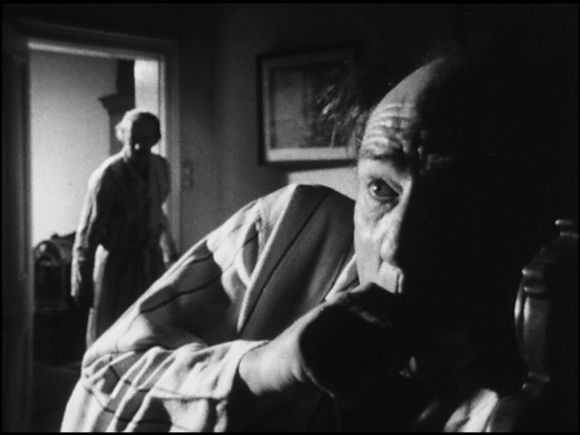
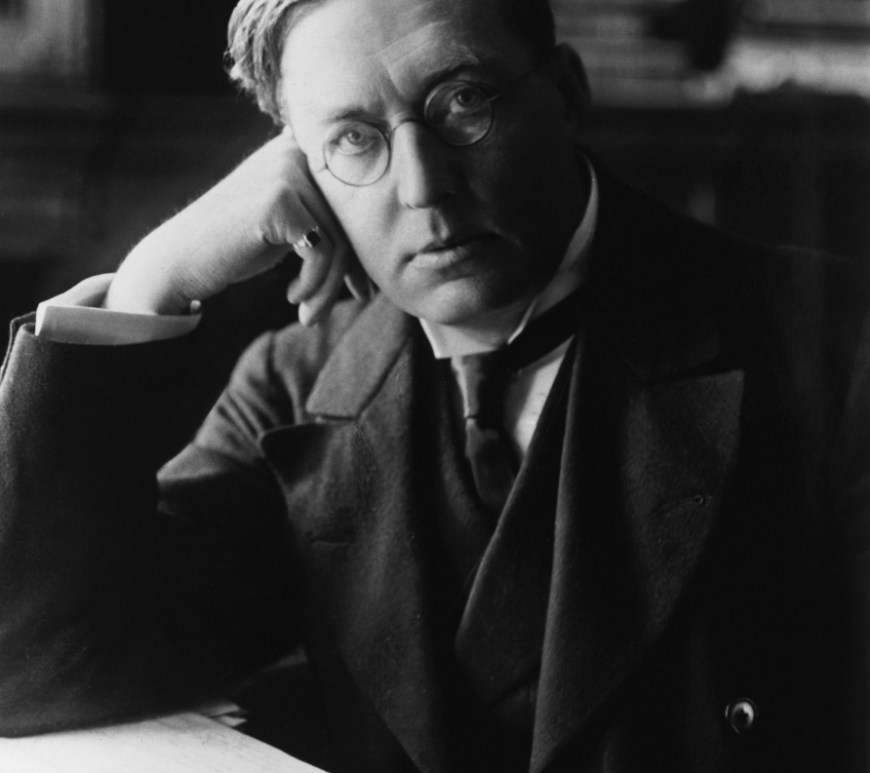
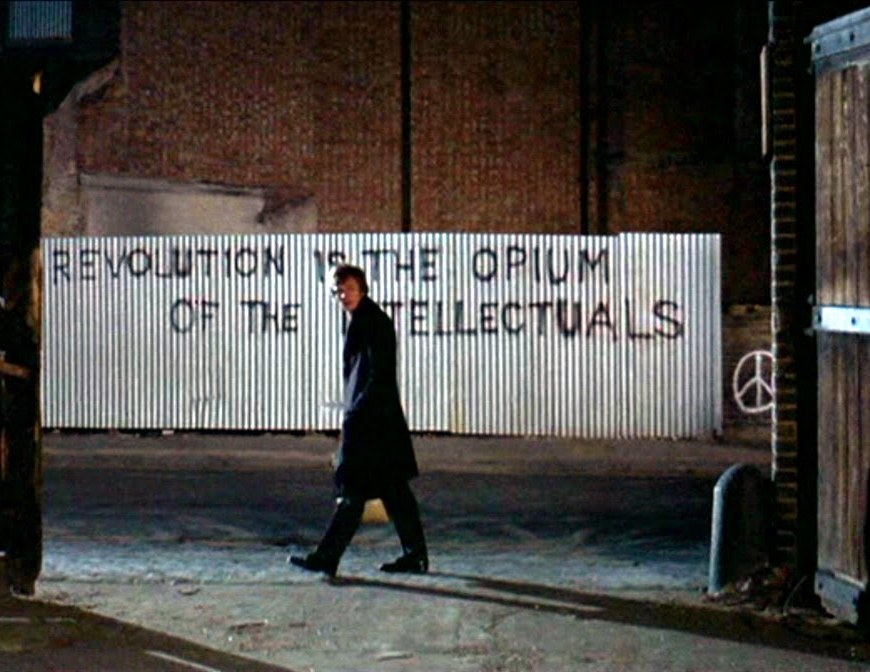
Trying to establish small cycles of trends in cinema is a key discipline in understanding the medium.  When a theme can be seen to traverse genre but be defined by era, it perhaps states more of a sociological argument than simply an aesthetic or a narrative one.  A particular group of films recently began to collect together in my own memory but the reason as … Continue reading The Ravenous Poor in Heath Era British Cinema.

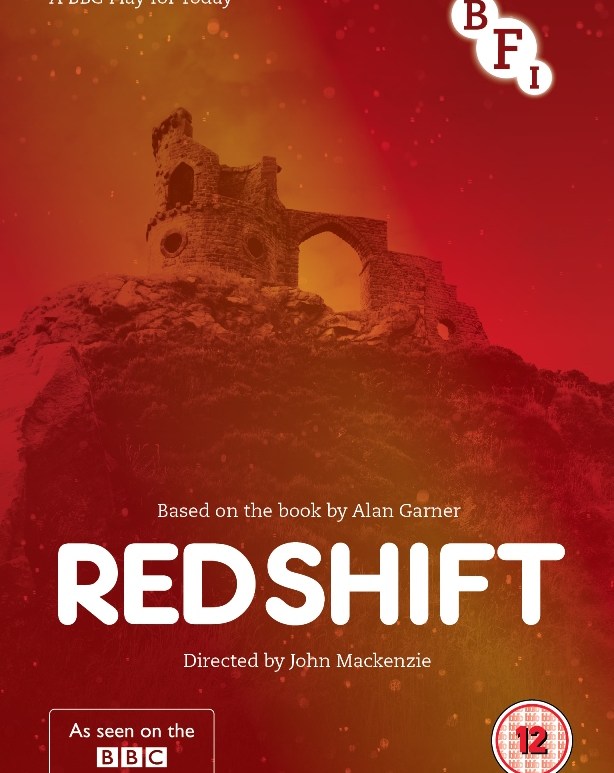
Red Shift (Play For Today, 1978) – John Mackenzie (BFI).

A shifting sense of time, space, and place can bring huge advantages to fantastical works of fiction.  The feeling that time is a folded concept, repeating and resetting in a quasi-ritualistic ceremony of life adds a sheen of the monumental to even the smallest and most intimate of dramas.  This sheen is the absolute embodiment of the work of writer, Alan Garner, and is never … Continue reading Red Shift (Play For Today, 1978) – John Mackenzie (BFI).

The Folk Horror Chain

The Folk Horror Chain The following is a rough transcript of a paper delivered at the A Fiend in the Furrows conference, held at Queens University, Belfast on the 20th of September, 2014. Introduction Folk horror is a strange form of media. There’s an unusual craving for defining and canonising in spite of being a sub-genre which seems inherently intuitive. This unusual combination of shared thematic … Continue reading The Folk Horror Chain

A Spell To Ward Off The Darkness (2013) – Ben Rivers + Ben Russell.

Doused in a natural ethnography based upon the landscape, A Spell To Ward Off The Darkness (2013) is a strangely hypnotic mixture of fact and fiction by filmmakers, Ben Rivers and Ben Russell.  Both have come from making shorter works and the episodic sense of place and the perspectives of time are all questioned through visual sociology and a natural embarkation of documentary film. There’s … Continue reading A Spell To Ward Off The Darkness (2013) – Ben Rivers + Ben Russell.

The Unleashing of Repressed Eroticism in Black Narcissus (1947) and The Shining (1980).

The geographical make-up of a film’s scenario is often a subtle root-cause of its dramatic effect.  The sense of place, both its physical and psychological attributes, can be so overwhelming that whole narratives can follow the buckling of characters under pressure from this force; to the point where their own emotional identity and personal dynamics fluctuate, reflect, and occasionally attempt to rebel against an imposing … Continue reading The Unleashing of Repressed Eroticism in Black Narcissus (1947) and The Shining (1980).

The Uncanny in Häxan: Witchcraft Through The Ages (1922)- Benjamin Christensen.

In one of the first attempts I made at canonising the sub-genre of Folk Horror, I likened the majority of its films to be brilliant but mere fugues on the ideas presented in Benjamin Christensen’s Häxan: Witchcraft Through The Ages (1922).  Outside of Victor Sjöström’s The Phantom Carriage (1921), it was the earliest and most explicit form of the sub-genre that seemed to be surviving … Continue reading The Uncanny in Häxan: Witchcraft Through The Ages (1922)- Benjamin Christensen.

Deception and False Uptopia in the Films of Yorgos Lanthimos (Dogtooth, Alps).

“Above all, don’t lie to yourself. The man who lies to himself and listens to his own lie comes to a point that he cannot distinguish the truth within him, or around him, and so loses all respect for himself and for others. And having no respect he ceases to love.”  Dostoevsky in The Brothers Karamazov. The above quote from Dostoevsky’s masterful work, The Brothers … Continue reading Deception and False Uptopia in the Films of Yorgos Lanthimos (Dogtooth, Alps).