Filming In The Holloways.

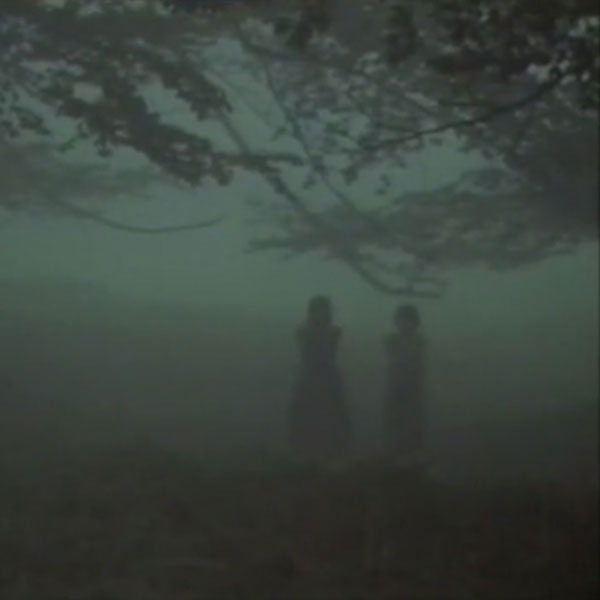
As some may know, I’m currently engaged in a collaborative project with the writer, Robert Macfarlane, and also in periphery with the artist Stanley Donwood.  Our aim is to produce a short visual summation of the fragmented novella booklet that Robert and Stanley released, together with writer Dan Richards, all about the Holloways of Dorset.  These Holloways are sunken paths; pathways that have grown into … Continue reading Filming In The Holloways.

The Aural Aesthetics Of Ghosts in BBC Ghost Stories – Part 9 (Conclusions).

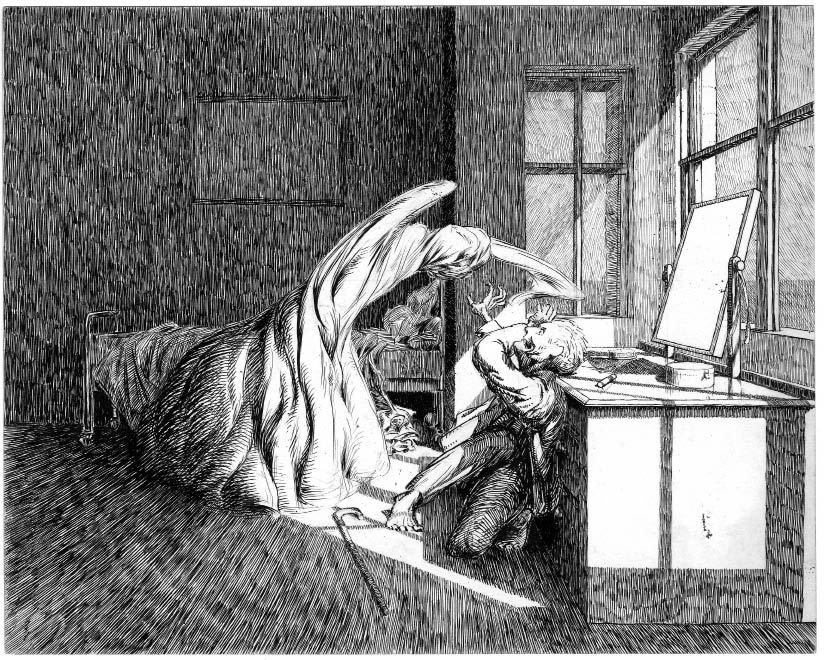
Part 1. Part 2. Part 3. Part 4. Part 5. Part 6. Part 7. Part 8. Conclusions. “If its central characteristics remained immune to change, the ghost story did keep pace with the times through progressive modernization of settings and language.” – Cox (xix, 1991). From analysis of the BBC Ghost Stories, it is clear that the narrative function of the supernatural has a natural … Continue reading The Aural Aesthetics Of Ghosts in BBC Ghost Stories – Part 9 (Conclusions).

Perception Of Landscape in A Journey To Avebury (1971) – Derek Jarman.

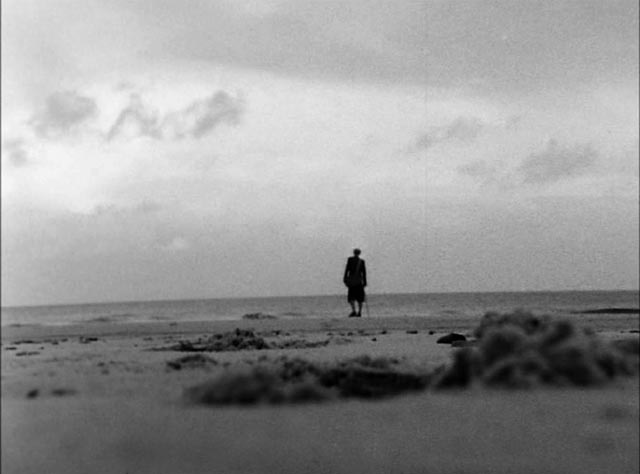
Out of all of Derek Jarman’s pre-feature length film work, his short capture of a 1971 walking trip, A Journey To Avebury, is perhaps his most interesting and subtly complex piece of short film work.  These were the early days of Jarman’s experimentation when his work as a painter and even a set designer still seemed to dominate over his purely cinematic interests.  This was … Continue reading Perception Of Landscape in A Journey To Avebury (1971) – Derek Jarman.

The Aural Aesthetics Of Ghosts In BBC Ghost Stories – Part 8 (The Signalman).

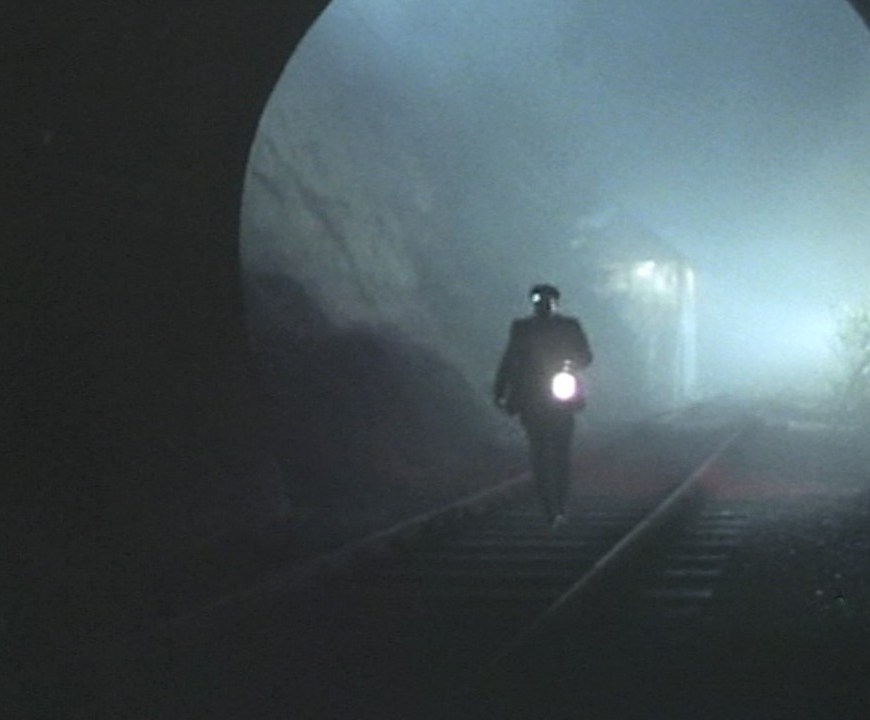
Part 1. Part 2. Part 3.Part 4. Part 5. Part 6. Part 7. The Signalman And Aural Paranoia Over Dickensian Technology. “For those who look back on it, the Victorian age seems to be invested with a peculiar quality of difference – heightened by its relative proximity in time – that is reflected in its ghosts.  It was an age shaped, perhaps more than any … Continue reading The Aural Aesthetics Of Ghosts In BBC Ghost Stories – Part 8 (The Signalman).

The Aural Aesthetics of Ghosts in BBC Ghost Stories – Part 5 (Landscape).

Part 1. Part 2. Part 3. Part 4. Natural Diegesis And Aural Interaction With Landscape. One of M.R. James’ most recognisable writing traits is his emphasis on rural settings.  From his own personal experience, of both exploring the churches of France on holiday bike-rides and living and holidaying in Suffolk and Norfolk, the rural landscape became almost as much of a story trope as the … Continue reading The Aural Aesthetics of Ghosts in BBC Ghost Stories – Part 5 (Landscape).

The Aural Aesthetics of Ghosts in BBC Ghost Stories – Part 4 (Music).

Part 1. Part 2. Part 3. Nondiegetic Musical Themes And Textures. “Indeed, the celestial voices of film music do resemble a phantom in several significant ways.  They are ephemeral, they are not ‘substantial’ or do not constitute part of what audiences cognise as important in the film, and have an effect that is not apparent.” – Donnelly (p.8, 2005). Though looking at nondiegetic scores for … Continue reading The Aural Aesthetics of Ghosts in BBC Ghost Stories – Part 4 (Music).

Red Shift (Play For Today, 1978) – John Mackenzie (BFI).

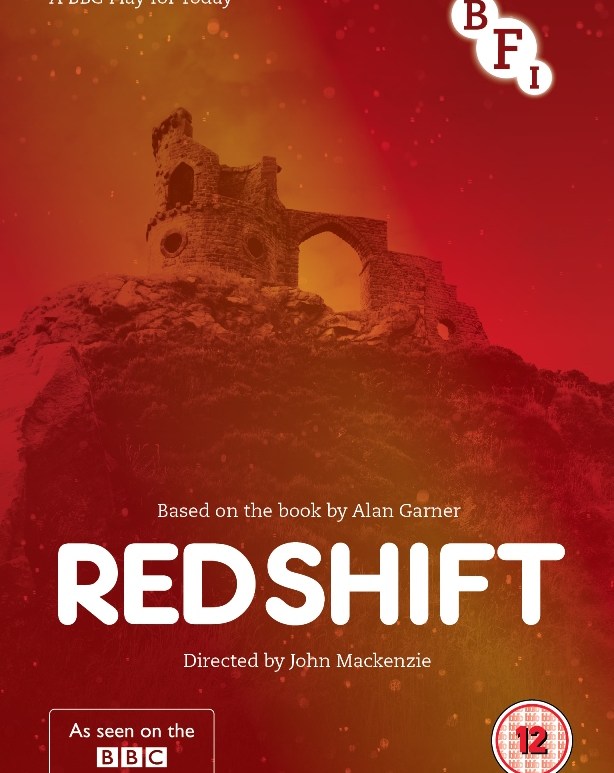
A shifting sense of time, space, and place can bring huge advantages to fantastical works of fiction.  The feeling that time is a folded concept, repeating and resetting in a quasi-ritualistic ceremony of life adds a sheen of the monumental to even the smallest and most intimate of dramas.  This sheen is the absolute embodiment of the work of writer, Alan Garner, and is never … Continue reading Red Shift (Play For Today, 1978) – John Mackenzie (BFI).

The Aural Aesthetics of Ghosts in BBC Ghost Stories – Part 3 (William Ager).

Part 1. Part 2. A “Disembodied Voice” of some form is a clear norm for representing a creature that, by its very definition, is now bodiless.  This means that, as an aural technique, it is used frequently throughout many other ghost stories as well.  In Lawrence Gordon Clark’s films, the aural trait occurs several times with different and varying effects, though never with the layered … Continue reading The Aural Aesthetics of Ghosts in BBC Ghost Stories – Part 3 (William Ager).

The Aural Aesthetics of Ghosts in BBC Ghost Stories – Part 2 (The Disembodied Voice).

Part 1. The Aural-Thematic Ties In BBC Ghost Stories. “He first began to write the ghost stories for which he is now famous in late 1892 or early 1893 while he was a fellow of King’s.  They were composed initially to be read aloud in his college rooms as a Christmas treat for his friends.”-  Oliver (p.15, 2012). When looking at the source material for … Continue reading The Aural Aesthetics of Ghosts in BBC Ghost Stories – Part 2 (The Disembodied Voice).

The Aural Aesthetics of Ghosts in BBC Ghost Stories – Part 1 (Introduction).

Manifesting The Supernatural: The Aural Aesthetics Of Ghosts In BBC Ghost Stories. Introduction. “When Monty first began to write them, with the intention of inducing a pleasing terror in his listeners, he did so as an avid and discerning reader and connoisseur of the genre, keenly aware of his precedents and of the characteristics, objectives, and limitations of the ghost story as he understood the … Continue reading The Aural Aesthetics of Ghosts in BBC Ghost Stories – Part 1 (Introduction).