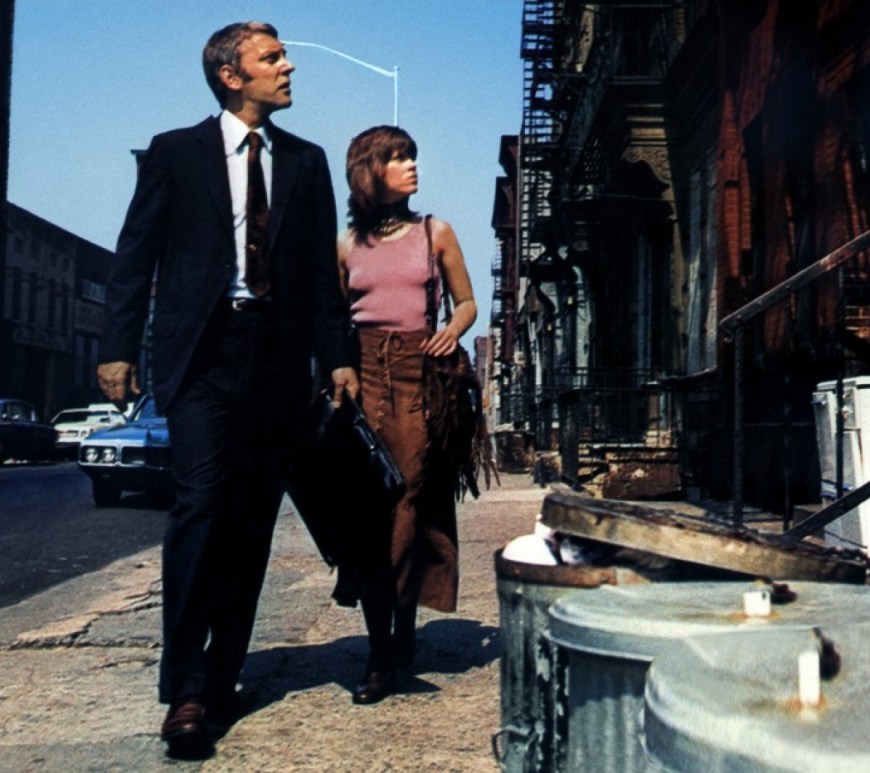
Point Blank (John Boorman, 1967) – Rhythmic Footsteps and Diegetic Power.

What is the best way for a film to show the power of a character?  Is it to retain the power within the narrative world and show it be all encompassing, or is it better to show it to have control over specific qualities of the medium itself?  One of the best examples of this debate to be realised in cinematic aesthetics is in John … Continue reading Point Blank (John Boorman, 1967) – Rhythmic Footsteps and Diegetic Power.

Peeping Tom (Michael Powell,1960) – Aural Perspectives of Murder.

In spite of its very energetic reappraisal and various analyses, Michael Powell’s career destroying masterpiece, Peeing Tom (1960), is a film whose musical eccentricities and sound design contain hidden depths. For a film that appears on the surface to be almost excessively Freudian, this was normal yet, when looking at some of the detailed reappraisals and even some of the high-end re-evaluations of its narrative … Continue reading Peeping Tom (Michael Powell,1960) – Aural Perspectives of Murder.

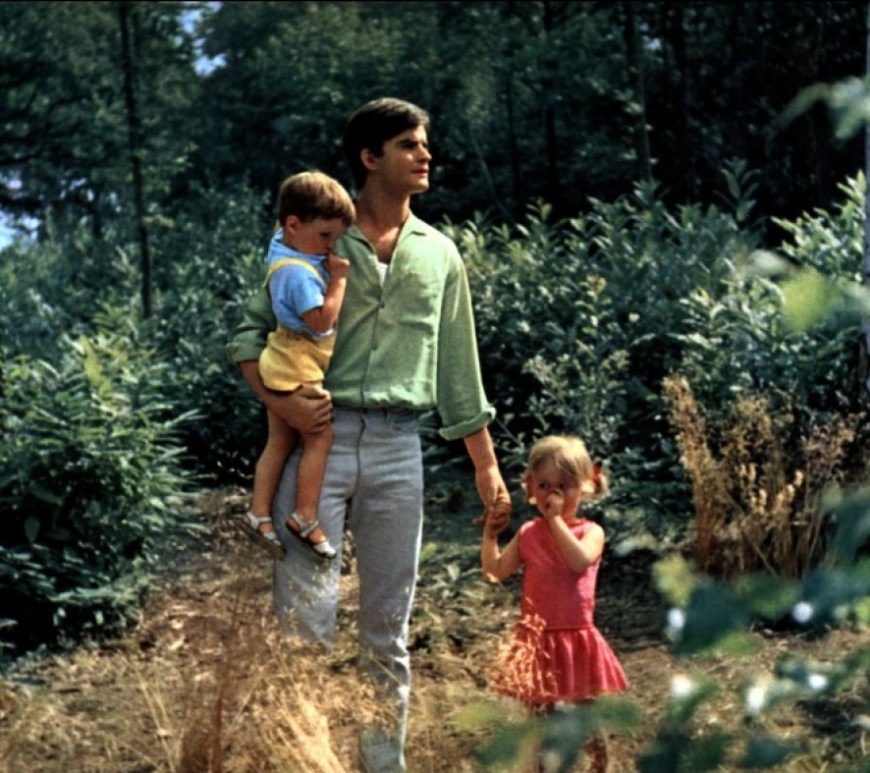
Deep End (1970) and the Musical Emphasising of Narrative (Jerzy Skolimowski).

This article contains spoilers. There are many aspects of distraction within Jerzy Skolimowski’s 1970 film, Deep End.  Its highly sexualised, sometimes seedy narrative, its vast array of colours and its crisp, sharp direction are only a handful of its hyper-active eccentricities.  Even David Lynch, a long-time pessimist about colour cinema, is on record as a fan of Deep End‘s array of powerful colours, and styles.  … Continue reading Deep End (1970) and the Musical Emphasising of Narrative (Jerzy Skolimowski).

The Lady Vanishes (Alfred Hitchcock, 1938) – Early Uses of Musical, Narrative Tools.

Hitchcock’s early British films tend largely to be devoid of the interesting, endlessly analysable scores his later films have, (thanks mainly to Bernard Herrmann being sat at the musical helm).  It seems to have been an almost standard practice to use a handful of musical scores or fragments in the occasional scene but to largely leave the films musically blank outside of their opening and … Continue reading The Lady Vanishes (Alfred Hitchcock, 1938) – Early Uses of Musical, Narrative Tools.

El Topo and The Lamb Lies Down On Broadway (Jodorowsky and Gabriel).

Alejandro Jodorowsky’s El Topo (1970) has rightly earned a place in the pantheon of cult cinema. Watch any number of documentaries or interviews with the man himself and the film will often stand proud as the pioneer of the “Midnight Movie”; a film obviously shown late due to its content but also exuding free reign over all of its creative aspects.  Researching further into the … Continue reading El Topo and The Lamb Lies Down On Broadway (Jodorowsky and Gabriel).

David Lynch’s Musical Formations of Cinematic Ideas (The Big Dream).

David Lynch has a very clear and obvious interest in music. This interest finds its way into his films via a number of different methods and often build upon the director’s main recurring themes and ideas. What makes David Lynch distinct from other American directors with interests in music such as Martin Scorsese and Woody Allen is that Lynch’s interest has peaked at a point … Continue reading David Lynch’s Musical Formations of Cinematic Ideas (The Big Dream).

Train to Train – Early Rhythms of Silent Film (Lumière and Keaton)

During the first quarter of film history, film language very quickly cemented itself into forms that would stay that way in mainstream cinema until the middle of the 20th century. Looking back at the surviving imagery of the first era of film (i.e. the silent era), it’s easy to see how these forms quickly solidified and became the norm for the typical and the innovative … Continue reading Train to Train – Early Rhythms of Silent Film (Lumière and Keaton)