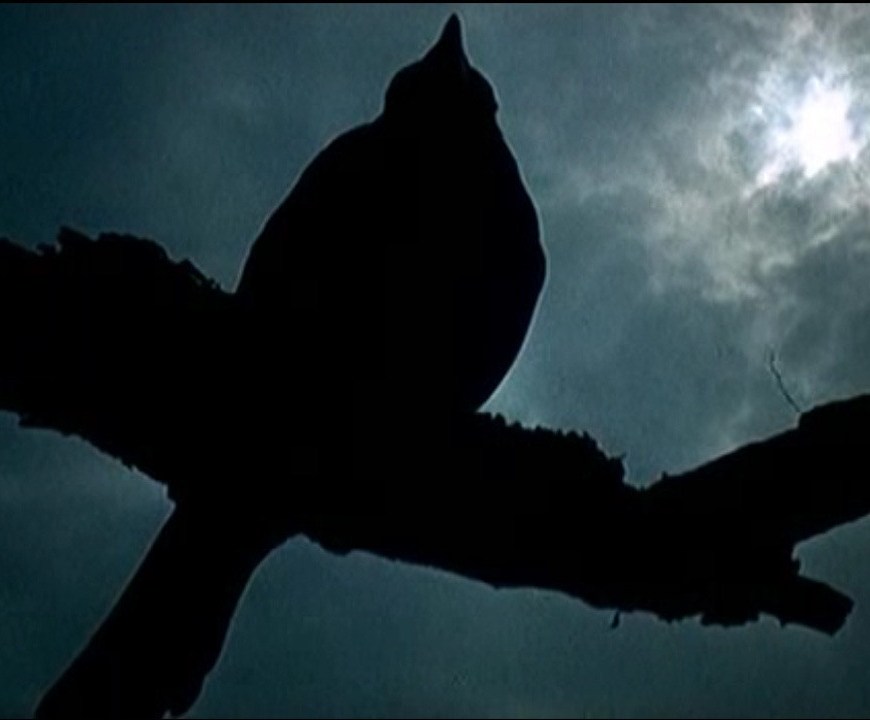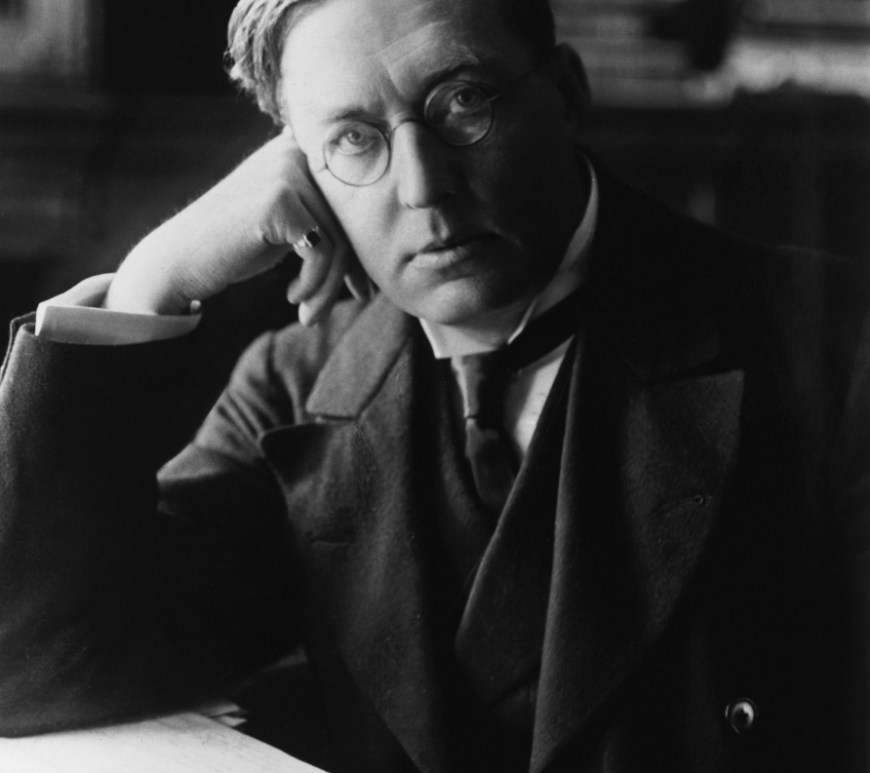
The Aural Aesthetics of Ghosts in BBC Ghost Stories – Part 1 (Introduction).

Manifesting The Supernatural: The Aural Aesthetics Of Ghosts In BBC Ghost Stories. Introduction. “When Monty first began to write them, with the intention of inducing a pleasing terror in his listeners, he did so as an avid and discerning reader and connoisseur of the genre, keenly aware of his precedents and of the characteristics, objectives, and limitations of the ghost story as he understood the … Continue reading The Aural Aesthetics of Ghosts in BBC Ghost Stories – Part 1 (Introduction).

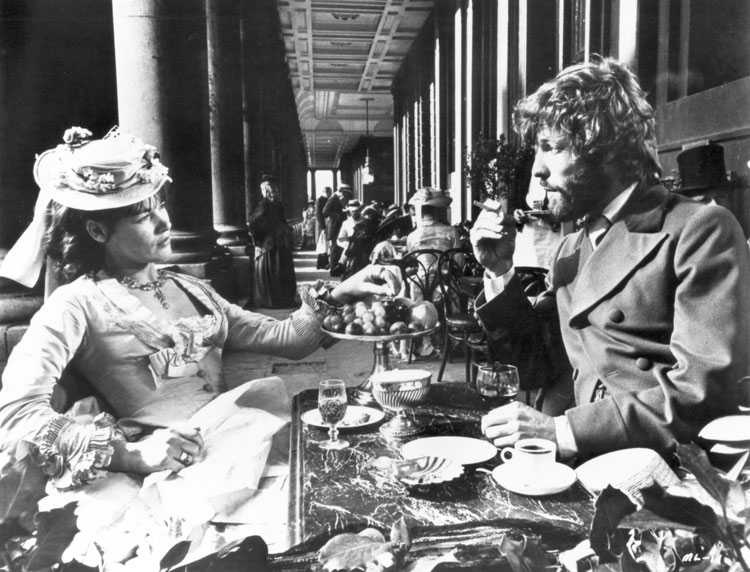
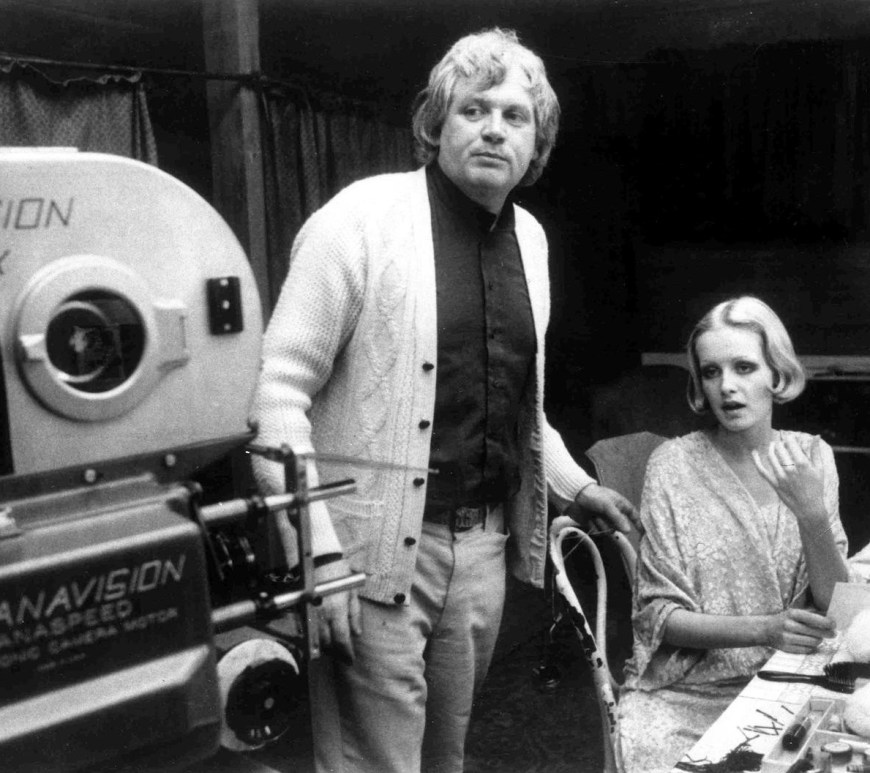
A Musicological Study of Ken Russell’s Composer Films – Part 4 (The Music Lovers).

Part 1. Part 2. Part 3. Transitional Films and Symbolic Representations of Classical Composers. In spite of using the visual form as an excuse for experimentation with documentary and biography as seen in his films for the BBC, it wasn’t until the early 1970s where Russell really found material to properly experiment with.  The word experimental however must be contextualised as even the films discussed … Continue reading A Musicological Study of Ken Russell’s Composer Films – Part 4 (The Music Lovers).

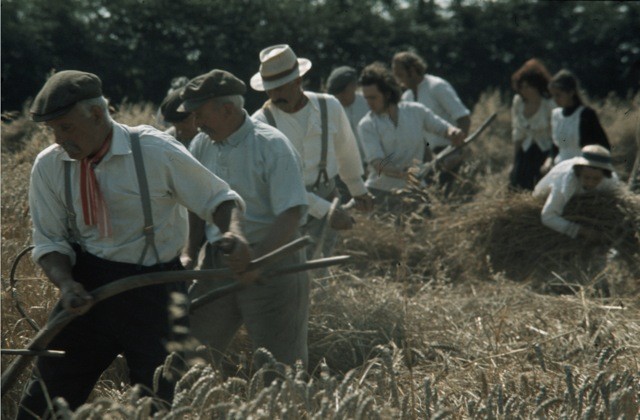
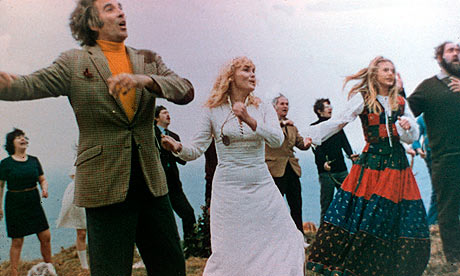
The Music of Folk Horror – Part 8 (Conclusions).

Part 1. Part 2. Part 3. Part 4. Part 5. Part 6. Part 7. Conclusions From the analysis of only a handful of British folk horror films, it has been shown that they rely heavily on their music in order to achieve their full cinematic effect.  Altman states the following when discussing genre theory: “Constantly opposing cultural values to counter-culture values, genre films regularly depend on … Continue reading The Music of Folk Horror – Part 8 (Conclusions).

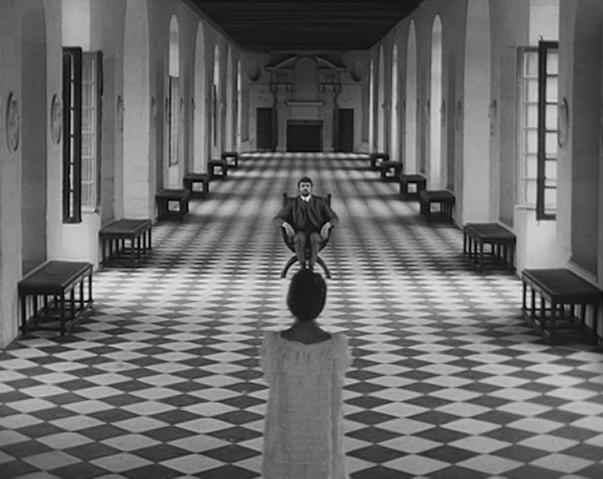
A Musicological Study of Ken Russell’s Composer Films – Part 3 (The Debussy Film).

Part 1. Part 2. The Dramatisation of History in The Debussy Film (1965). For a film relatively early on in Russell’s portrayals of classical composers, The Debussy Film is surprisingly knowing about the director’s position as story-teller in the relaying of history to the viewer.  The history of the French “impressionist” composer, Claude Debussy, is one of the more dramatic that Russell chooses to recreate … Continue reading A Musicological Study of Ken Russell’s Composer Films – Part 3 (The Debussy Film).

The Music of Folk Horror – Part 7 (Musical Anachronisms).

Part 1. Part 2. Part 3. Part 4. Part 5. Part 6. Musical Anachronisms – Naturally and Overtly. “Let’s just say there aren’t many films set in the reign of William and Mary in which the devil rebuilds his body by harvesting the skin of children…” (Gatiss, 2010, BBC). To address the presence of musical anachronisms in films of all types is a tricky subject … Continue reading The Music of Folk Horror – Part 7 (Musical Anachronisms).

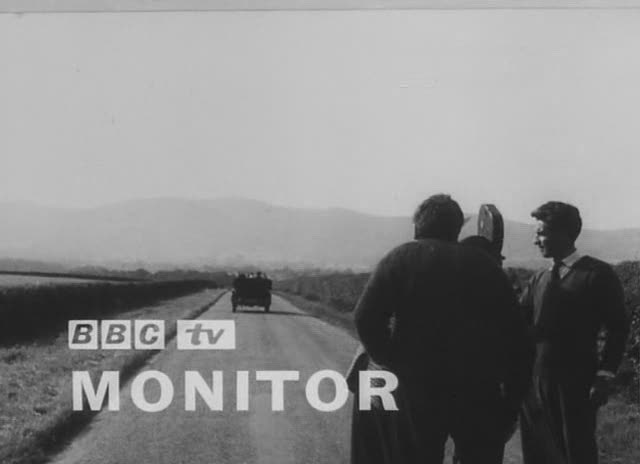
A Musicological Study of Ken Russell’s Composer Films – Part 2 (Monitor and Bartok).

Part 1. BBC Monitor and the Use of Audio-Visual Form as Musicological Comment. The medium that Russell first gained traction in was not in fact film but in television documentaries.  The flop of his first feature film, French Dressing (1964), marks the advent of his daring creativity entering into his work as television director; a role he had begun at the BBC for their documentary … Continue reading A Musicological Study of Ken Russell’s Composer Films – Part 2 (Monitor and Bartok).

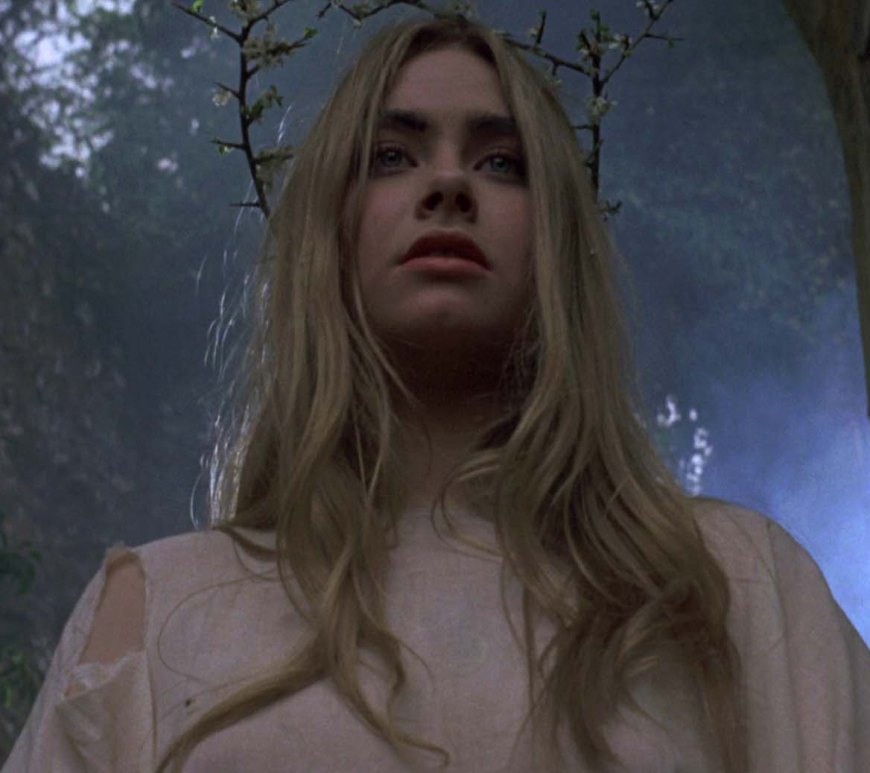
The Music of Folk Horror – Part 6 (Blood on Satan’s Claw).

Part 1. Part 2. Part 3. Part 4. Part 5. Musical Avant-Garde and Overt Anachronisms in Blood on Satan’s Claw (1971). “I think the other thing that appealed to me was the rural setting.  The nooks and crannies of woodland, the edges of fields the ploughing, the sense of soil was something I tried to bring into the picture” –  Piers Haggard (Gatiss, 2010, BBC). … Continue reading The Music of Folk Horror – Part 6 (Blood on Satan’s Claw).

A Musicological Study of Ken Russell’s Composer Films – Part 1 (Introduction).

The Russell Prism: How Ken Russell’s Auteuristic Aesthetics Presents a Reception Study of Classical Music and its Composers. The following essay was a dummy-run dissertation for my Masters course before realising that the subject had already been covered thrice in audio-visual academia.  Though none of three essays analyse or go into the depth of the work (instead choosing to shoehorn their own subject matter through … Continue reading A Musicological Study of Ken Russell’s Composer Films – Part 1 (Introduction).

The Music of Folk Horror – Part 5 (The Wicker Man’s Diegesis).

Part 1. Part 2. Part 3. Part 4. Diegesis in The Wicker Man. Some of the music assessed in the last section raised further questions besides their thematic and narrative content.  Though this element was an important part of the analysis, another aspect almost appeared to be ignored; that of the diegesis of such performances.  For a horror film, The Wicker Man presents the viewer … Continue reading The Music of Folk Horror – Part 5 (The Wicker Man’s Diegesis).

The Long Goodbye (1973, Robert Altman) – A Musical Critique of Film-Noir.

Out of all of the modern interpretations of film-noir produced in the 1970s, The Long Goodbye (1973) is by far the most aesthetically interesting.  This isn’t only because of its integration with counter-culture ideas and values, but with its continuous critical assessment of genre tropes.  This critique, which extends to the literature and music as well as the films of the hindsight-based movement, is considered … Continue reading The Long Goodbye (1973, Robert Altman) – A Musical Critique of Film-Noir.