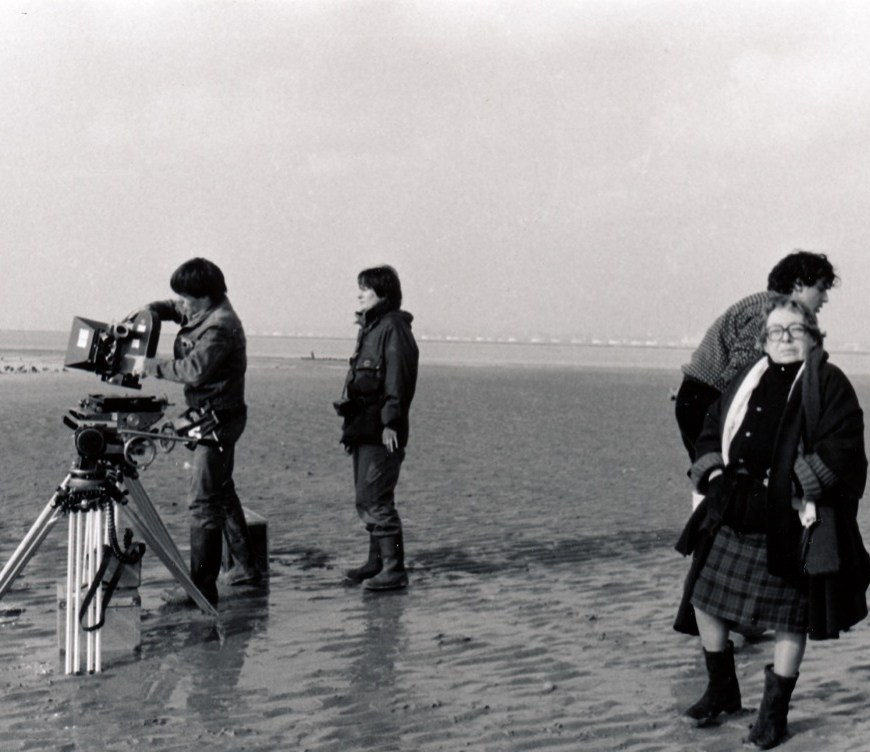
The Temporal Disruptions of Marguerite Duras

Marguerite Duras was never keen on giving cinema an easy time. Adapting her own stories into feature films, it seems that the writer, rather than compromise the unusual qualities of her books, experimented and destabilised the narrative aspects of film form to suit her needs instead. Like her contemporary, Alain Robbe-Grillet, Duras made many attempts to transplant the elements of voice from her literary work … Continue reading The Temporal Disruptions of Marguerite Duras

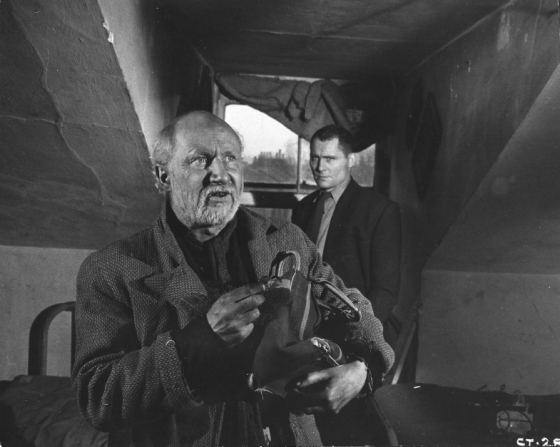
Electronic Music And Mental Illness In Cinema.

This article contains narrative spoilers. From its very earliest occurrences, electronic instrumentation and music has been used in cinema to signpost various aspects of mental health problems and issues within diegetic characters.  Alongside its uses in creating alien worlds, electronic instrumentation seems to, at least in the eyes of the films’ creators, have an ability to go deep within the human psyche as well as … Continue reading Electronic Music And Mental Illness In Cinema.

The Night Of The Hunter (1955) And The Death Waltz – Charles Laughton.

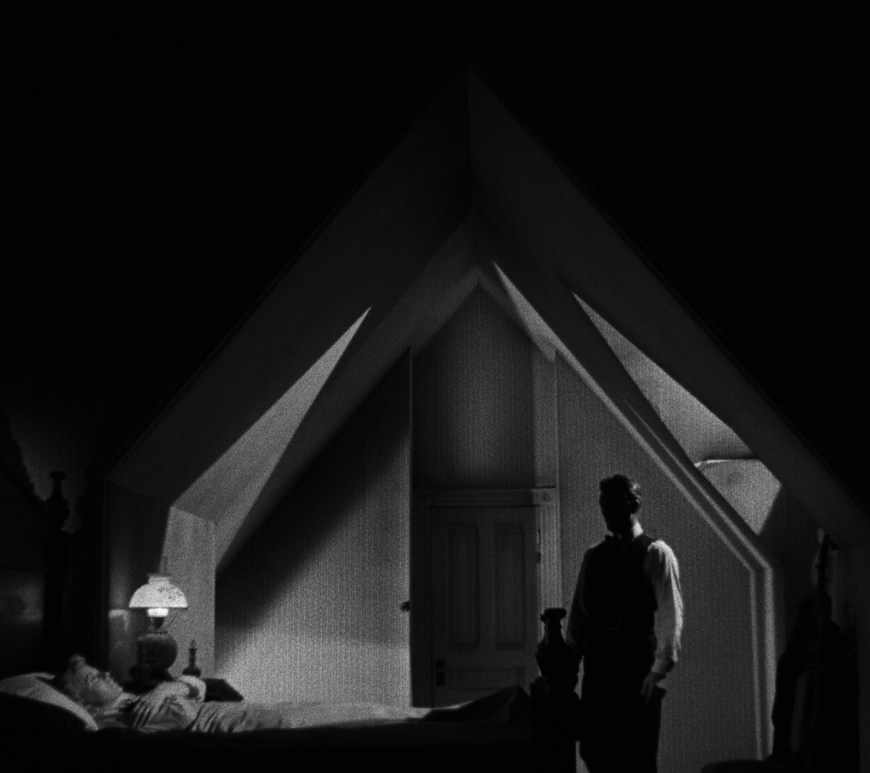
One of the best and most underrated moments from Charles Laughton’s The Night Of The Hunter (1955), the scene that captures the murder of Willa (Shelly Winters) after a prolonged period of brainwashing by Preacher Harry Powell (Robert Mitchum), is not only one of the most important and powerful moments in the film but one that sums up the more interesting end of thematic audio-visual … Continue reading The Night Of The Hunter (1955) And The Death Waltz – Charles Laughton.