Presence, or Polaroid Ghosts (Part 11)

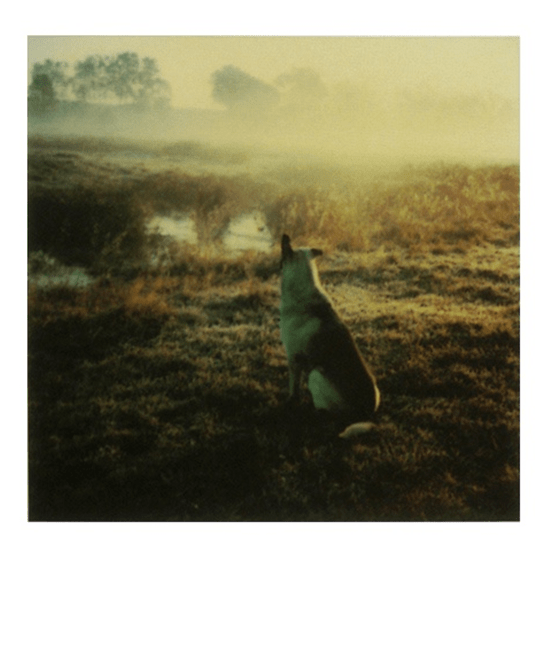
Part 10 Over time, we become strangers to ourselves in Polaroids. We take them, not to create memories, but to help retain them. Sometimes this is unnecessary. At other times, it is essential if we want to remember moments in our lives. This is an idea realised perfectly in Christopher Nolan’s debut feature, Memento (2000). It is a film that essentially sits on the cusp … Continue reading Presence, or Polaroid Ghosts (Part 11)

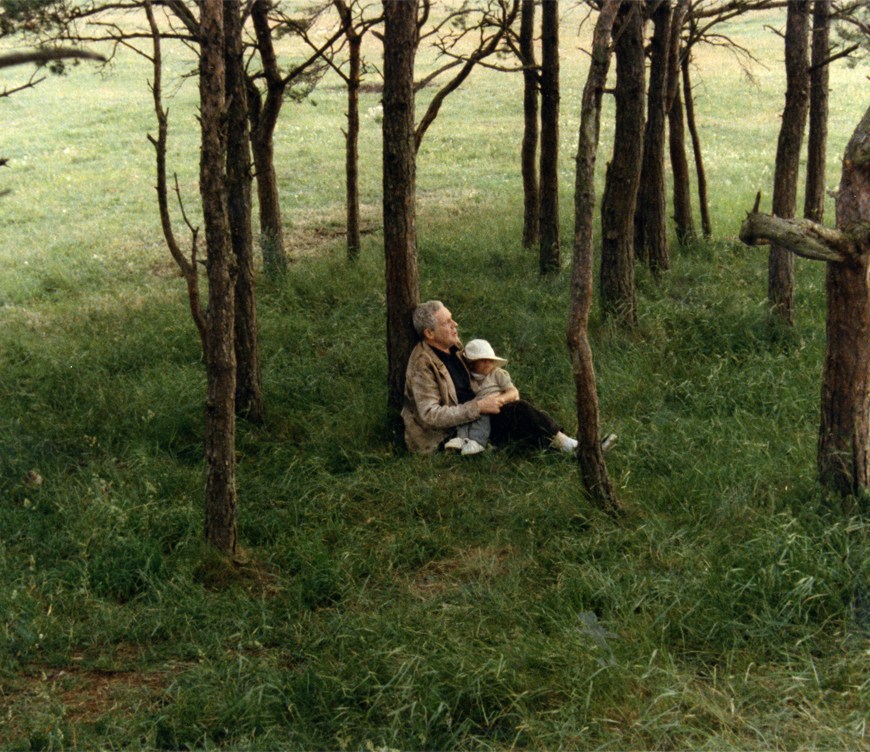
The Forests Of Ivan’s Childhood (1962) – Andrei Tarkovsky.

For a film about war, Ivan’s Childhood (1962) by Andrei Tarkovsky dwells quite unexpectedly upon the natural landscape of its narrative.  At first, this might seem somewhat unsurprising; after all, most films set during war often make use of the battered terrain of the landscape, if only to show the fallout and power of the weaponry available.  Ivan’s Childhood does more than this and contains … Continue reading The Forests Of Ivan’s Childhood (1962) – Andrei Tarkovsky.

Elemental Chaos and Eternal Return in Scriabin and Andrei Tarkovsky – Part 5 (ANS Synthesiser + Conclusions).

Part 1. Part 2. Part 3.  Part 4. The ANS Synthesiser and the Final Parallel. “Has man any hope of survival in the face of all the patent signs of impending apocalyptic silence?” Tarkovsky (1987, p.229) Scriabin and Tarkovsky have a final meeting place outside of the philosophical.  This meeting, on the one hand, seems almost to be coincidental but further inspection suggests that it is … Continue reading Elemental Chaos and Eternal Return in Scriabin and Andrei Tarkovsky – Part 5 (ANS Synthesiser + Conclusions).

Elemental Chaos and Eternal Return in Scriabin and Andrei Tarkovsky – Part 3 (Natural and Cyclic Rejuvenation)

Part 1. Part 2. Natural Forces and Cyclic Rejuvenation. “Critical neglect of this reference to Nietzsche is even more puzzling, however, when one considers that Nietzsche’s doctrine of the Eternal Return is a philosophical re-interpretation of the theme of Time for Time was, after all, a major obsession with Tarkovsky. As is well known, Tarkovsky’s preferred way of characterizing the art of filmmaking was as … Continue reading Elemental Chaos and Eternal Return in Scriabin and Andrei Tarkovsky – Part 3 (Natural and Cyclic Rejuvenation)

Elemental Chaos and Eternal Return in Scriabin and Andrei Tarkovsky – Part 2 (Chaos)

Part 1. Elemental Chaos. “The Mountains, Fields, Meadows, Forest, and Wilderness of the Preparatory Act text symbolize the mineral kingdom and natural kingdoms of the Earth, the first three “Rounds” of the Wheel of Cosmic life.” (1998, p.303) – Stephen Morris. It is not revolutions and upheavals That clear the road to new and better days, But revelations, lavishness and torments Of someone’s soul, inspired … Continue reading Elemental Chaos and Eternal Return in Scriabin and Andrei Tarkovsky – Part 2 (Chaos)

Elemental Chaos and Eternal Return in Scriabin and Andrei Tarkovsky – Part 1 (Introduction)

Elemental Chaos and Nietzsche’s Eternal Return in the Music of Alexander Scriabin and the Films of Andrei Tarkovsky. Introduction “It is as natural to die as to be born; and to a little infant, perhaps, the one is as painful as the other.” (1625/2002, p.344) – Francis Bacon. The cyclic nature of life and the process of destruction and rejuvenation has been a subject of … Continue reading Elemental Chaos and Eternal Return in Scriabin and Andrei Tarkovsky – Part 1 (Introduction)

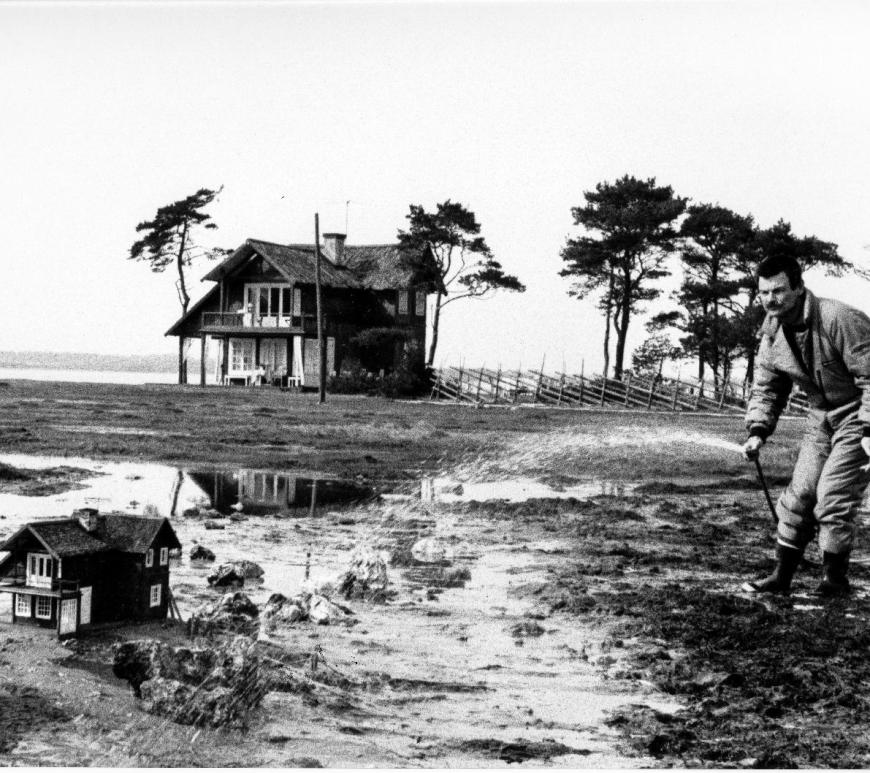
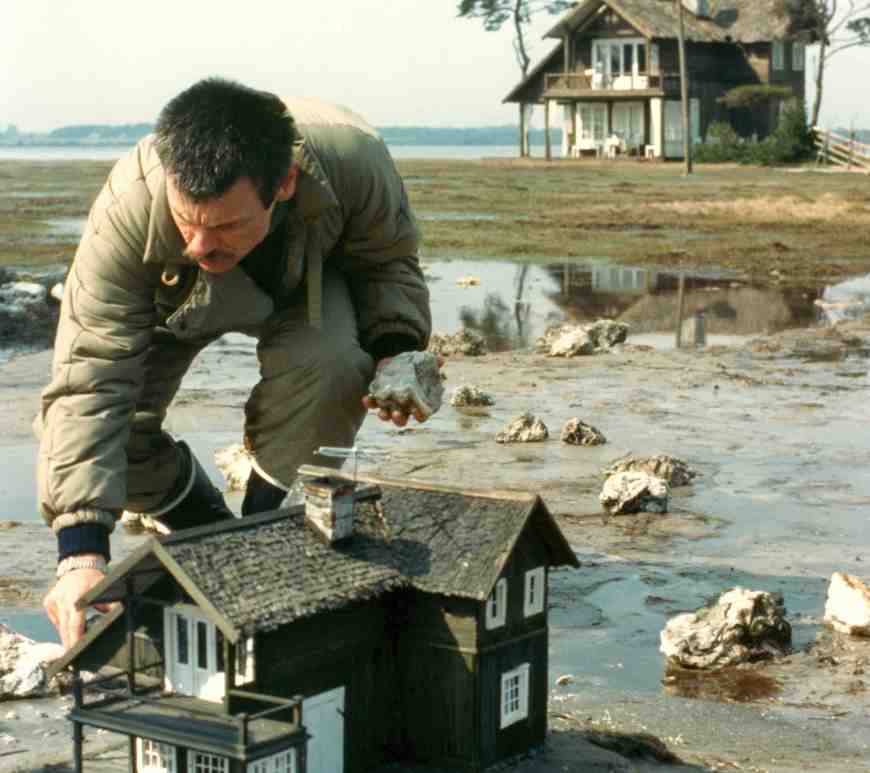
Andrei Tarkovsky – Polaroids, Mementos and Time

Some directors are very natural auteurs. Their films always seemingly a product of their own conception which seems unavoidable to visually mistake. Viewing all of Andrei Tarkovsky’s films, this is perhaps clearer to see than in the case of most other directors. His distinctive visual style, which morphs into several similar variations, is instantly recognisable. Dripping with faded lights, distinct textures and elemental forces, his … Continue reading Andrei Tarkovsky – Polaroids, Mementos and Time

How Historical And Cultural Dynamics Shaped The Work of Andrei Tarkovsky (Part 2-Nostalghia).

Tarkovsky after The Soviet Union “The Artist exists because the world is not perfect” –  Tarkovsky in interview. When considering what makes a cinema officially national, what elements are really being held to account?  No matter what is said, there will always be anomalous results that mean certain visuals, techniques and scores don’t actually define a national cinema but are simply used by it.  Perhaps … Continue reading How Historical And Cultural Dynamics Shaped The Work of Andrei Tarkovsky (Part 2-Nostalghia).

How Historical And Cultural Dynamics Shaped The Work Of Andrei Tarkovsky (Part 1 – Stalker)

Perhaps being from the west, Russian film fulfills that same function as cultural currency meaning we as a western audience are only shown what the country considers to be its finest and most cultured films yet this matters little in an argument for national cinemas as this is the image projected to us as an audience and only a true Russian will know whether all … Continue reading How Historical And Cultural Dynamics Shaped The Work Of Andrei Tarkovsky (Part 1 – Stalker)