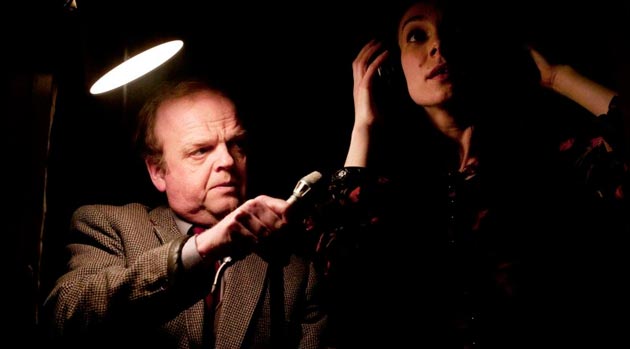
Peeping Tom (Michael Powell,1960) – Aural Perspectives of Murder.

In spite of its very energetic reappraisal and various analyses, Michael Powell’s career destroying masterpiece, Peeing Tom (1960), is a film whose musical eccentricities and sound design contain hidden depths. For a film that appears on the surface to be almost excessively Freudian, this was normal yet, when looking at some of the detailed reappraisals and even some of the high-end re-evaluations of its narrative … Continue reading Peeping Tom (Michael Powell,1960) – Aural Perspectives of Murder.

The Wicker Man (1973) – Defining Of The Folk Horror.

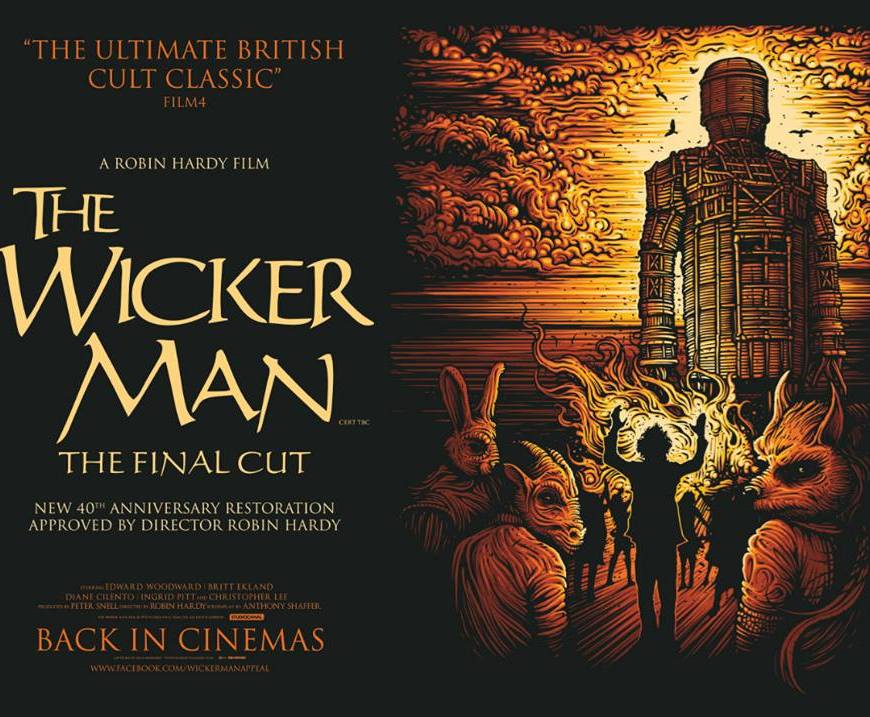
Its geography is stark, rugged and eerily inviting, its characters are sickly happy and lying through their teeth and its narrative is immersive and questioning to the point where its finale is deeply affecting and horrifying. It’s a crying shame that viewers of The Wicker Man (1973) will never fully see the film as its director intended. Having been slashed to bits by the studio … Continue reading The Wicker Man (1973) – Defining Of The Folk Horror.

Berberian Sound Studio – Part 2 (The Sound of the Giallo and Narrative Sounds)

Part 1. The Sound of the Giallo There are certain facts about the Giallo sub-genre that critics enjoy repeating over and over again.  It seems unlikely that viewers approaching Berberian will not know at least something basic about the genre yet it is still something that takes up such a large chunk of the analysis surrounding the film, there could be an argument for them … Continue reading Berberian Sound Studio – Part 2 (The Sound of the Giallo and Narrative Sounds)

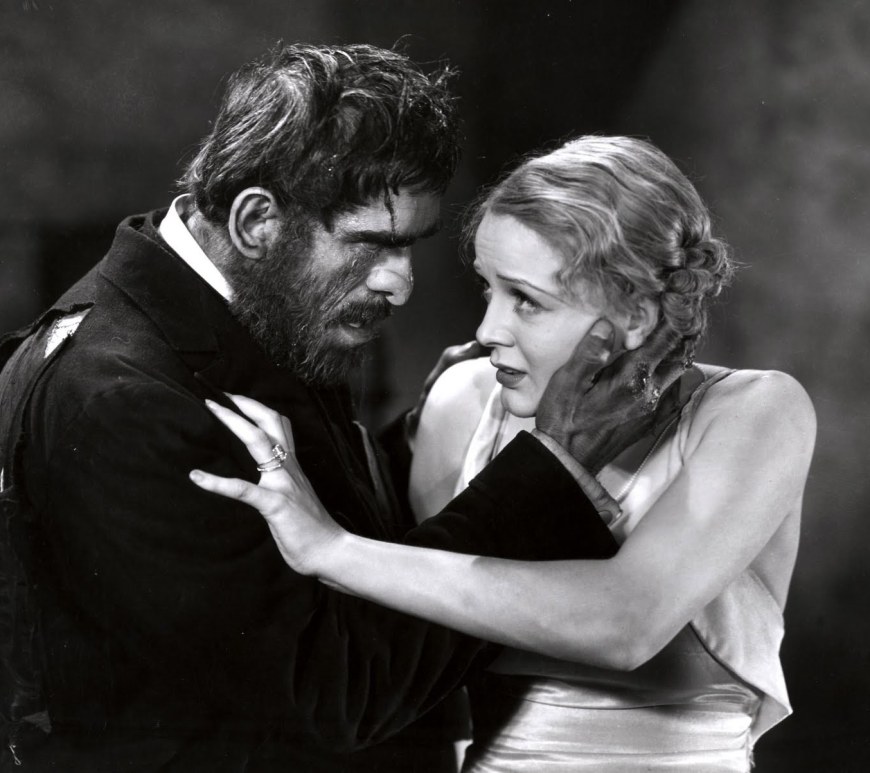
The Old Dark House (1932) – Symbolism, Class and Taboo (James Whale).

Contains spoilers. Hindsight can be a terrible burden to approach an older film with; lagging hard on the back of the viewer whose inability to contextualise what they’re seeing disengages their perception.  When watching James Whale’s The Old Dark House (1932), it could be tempting to accuse the film of being full to the brim with stock horror clichés.  Yet Whale’s film is special and … Continue reading The Old Dark House (1932) – Symbolism, Class and Taboo (James Whale).

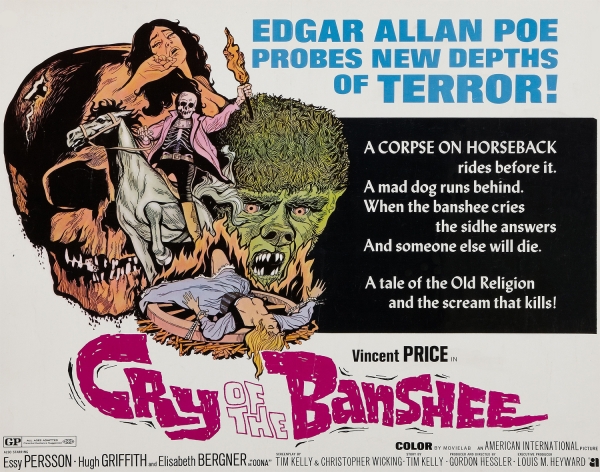
Cry Of The Banshee – Gordon Hessler (1970)

Cry of the Banshee (1970) makes no qualms as to what its aims are.  Looking at its promotional poster, it would be natural to associate it with Roger Corman’s Poe films; it’s emblazoned with Edgar Allen Poe references, its main star is Vincent Price and its design is a technocolour nightmare.  The film itself is about as far from Corman’s dreamlike fantasies as possible in … Continue reading Cry Of The Banshee – Gordon Hessler (1970)

The Horror Score Rebellion – Part 3 (Rosemary’s Baby And Popular Music In Horror)

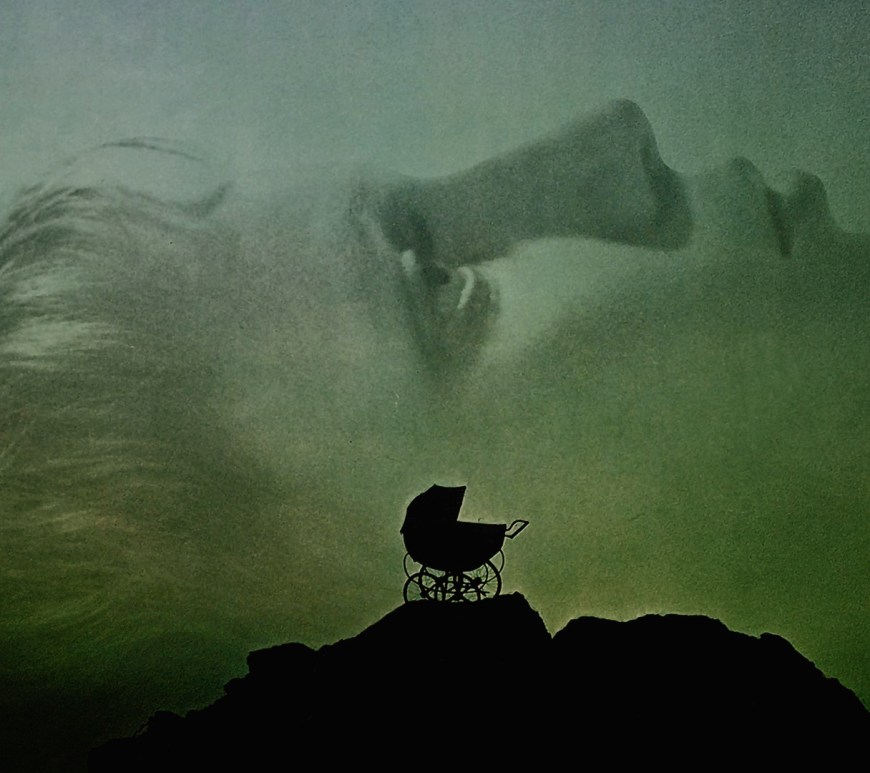
Though 1968 may best be remembered for Romero’s zombies, another film released that same year had a similar impact to the way horror films in the subsequent decade were scored. Rosemary’s Baby, directed by Polish émigré Roman Polanski, has a legacy of imitators that developed from its scoring techniques. Polanski’s tale of the occult in a Manhattan apartment block primarily employs a classical score but large … Continue reading The Horror Score Rebellion – Part 3 (Rosemary’s Baby And Popular Music In Horror)

A Brief History of Occult and Folk Horror

Article originally published in New Empress Magazine. Being old and feeling almost excavated from some grainy piece of earth, silent horror has the unnerving sense of being a genuine piece of documentation. No doubt unaware of it at the time, Benjamin Christensen’s Häxan: Witchcraft Through The Ages (1922) is a film that so embodies this accidental aspect that viewing it recalls the feeling of Ash’s … Continue reading A Brief History of Occult and Folk Horror

Night Of The Eagle – Sidney Hayers (1962)

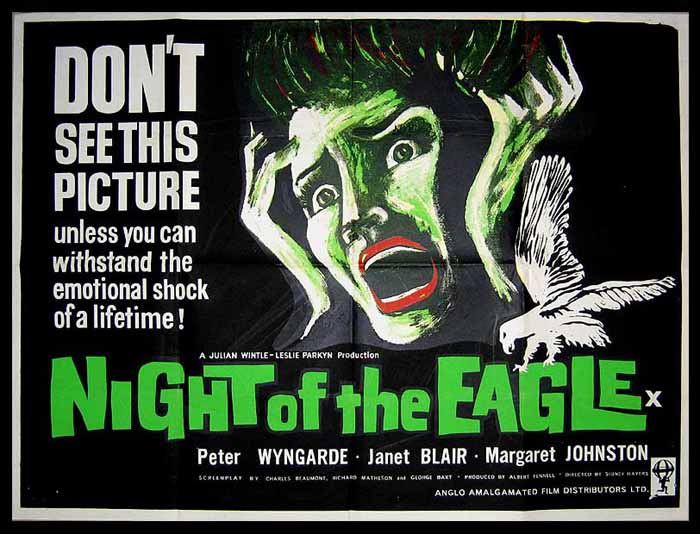
If Alfred Hitchcock were to have made an occult horror film, it’s not beyond the realms of fantasy to believe that it would look something like Sidney Hayers’ 1962 film Night of the Eagle.  Mixing up all sorts of clean cut imagery and marvellously juicy language, the film is one of the more Freudian in the horror canon and a far more subtle affair than … Continue reading Night Of The Eagle – Sidney Hayers (1962)

The Horror Score Rebellion Part 2 – Night Of The Living Dead And The Electronic Score.

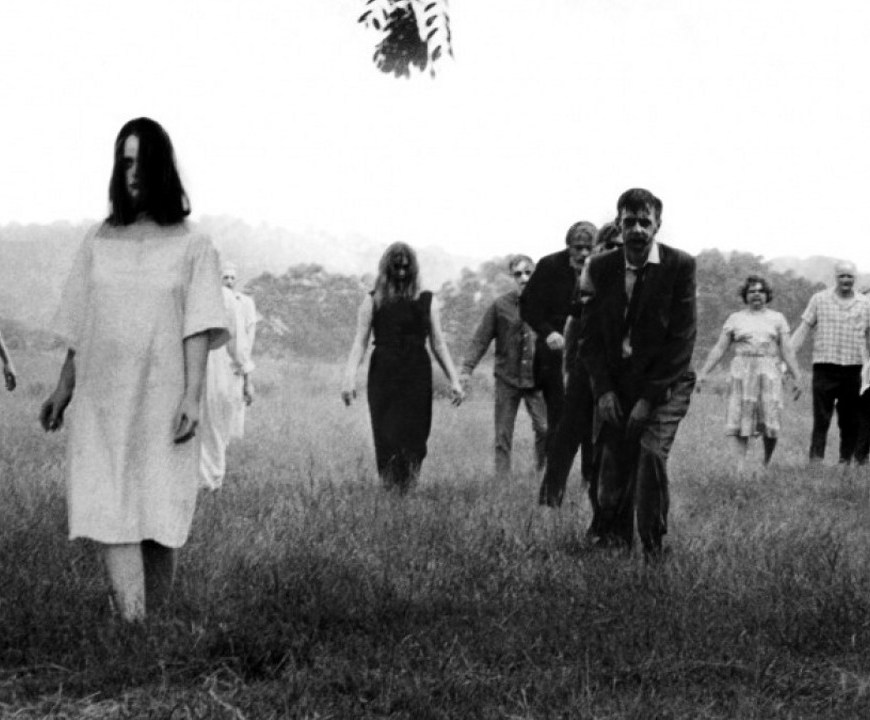
Horror films were slow on the upkeep when it came to electronic music. Though elements of it were being used in other genres before 1968, electronic music didn’t really reach horror until the late sixties. The exact date of the first use of electronic score has been attributed to various films; largely Cold War fare such as The Day the Earth Stood Still (1951) and Invasion of the … Continue reading The Horror Score Rebellion Part 2 – Night Of The Living Dead And The Electronic Score.