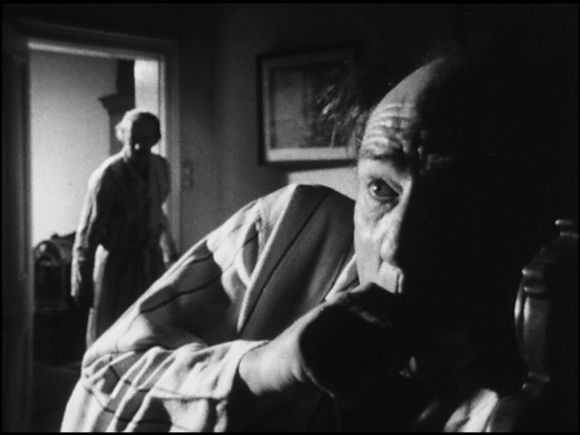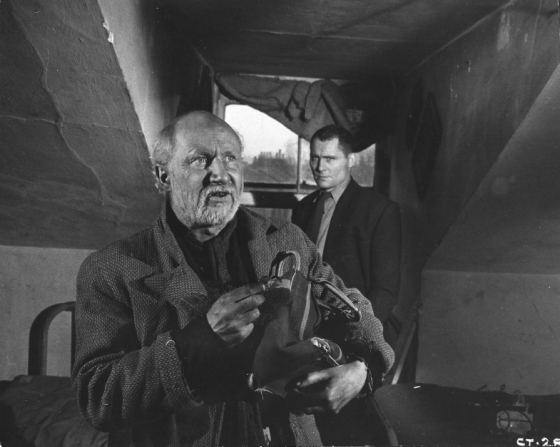
Electronic Music And Mental Illness In Cinema.

This article contains narrative spoilers. From its very earliest occurrences, electronic instrumentation and music has been used in cinema to signpost various aspects of mental health problems and issues within diegetic characters.  Alongside its uses in creating alien worlds, electronic instrumentation seems to, at least in the eyes of the films’ creators, have an ability to go deep within the human psyche as well as … Continue reading Electronic Music And Mental Illness In Cinema.

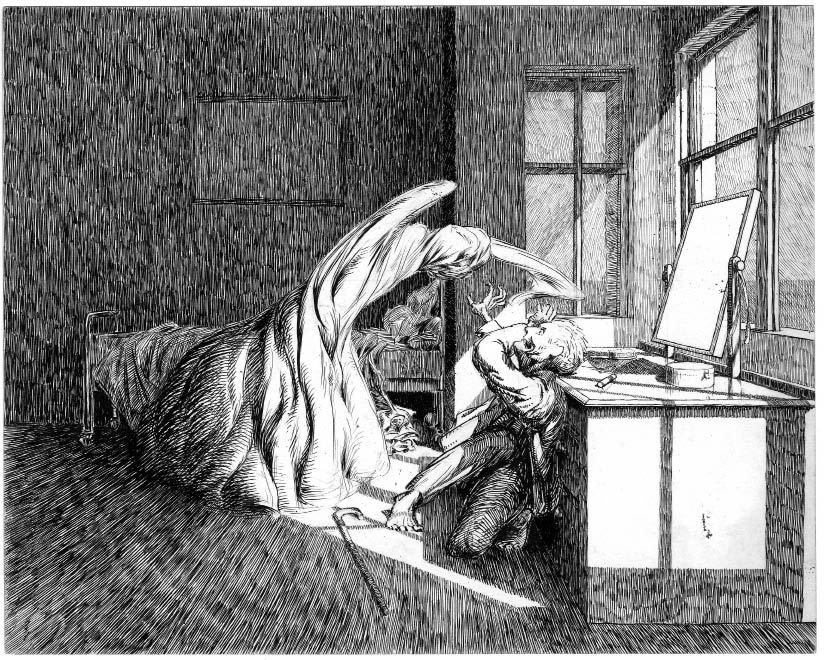
The Long Goodbye (1973, Robert Altman) – A Musical Critique of Film-Noir.

Out of all of the modern interpretations of film-noir produced in the 1970s, The Long Goodbye (1973) is by far the most aesthetically interesting.  This isn’t only because of its integration with counter-culture ideas and values, but with its continuous critical assessment of genre tropes.  This critique, which extends to the literature and music as well as the films of the hindsight-based movement, is considered … Continue reading The Long Goodbye (1973, Robert Altman) – A Musical Critique of Film-Noir.

Eraserhead (1977) – Sickly Soundscapes (David Lynch).

For a film as heavily symbolic as David Lynch’s Eraserhead (1977), readings of its aesthetic aspects are often commonplace within the cinematic discourse of the film.  Lynch has often made explicit use of the medium’s inherent dream-state as a tool to question the viewer on various topics, often finding visual expression through symbolic and highly personal direction.  Though Eraserhead was his first feature film, his … Continue reading Eraserhead (1977) – Sickly Soundscapes (David Lynch).