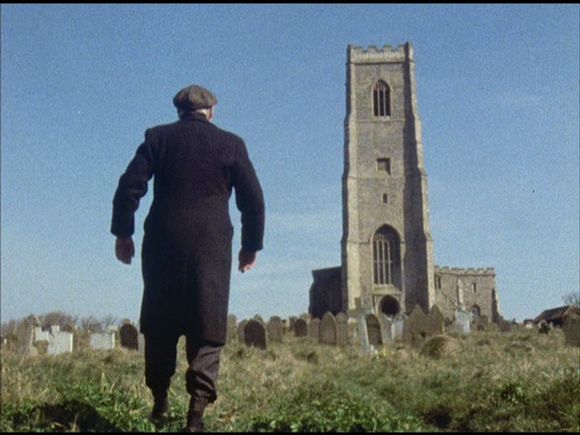
Protected: The Aural Aesthetics of Ghosts in BBC Ghost Stories – Part 3 (William Ager).
There is no excerpt because this is a protected post. Continue reading Protected: The Aural Aesthetics of Ghosts in BBC Ghost Stories – Part 3 (William Ager).

There is no excerpt because this is a protected post. Continue reading Protected: The Aural Aesthetics of Ghosts in BBC Ghost Stories – Part 3 (William Ager).

The Folk Horror Chain The following is a rough transcript of a paper delivered at the A Fiend in the Furrows conference, held at Queens University, Belfast on the 20th of September, 2014. Introduction Folk horror is a strange form of media. There’s an unusual craving for defining and canonising in spite of being a sub-genre which seems inherently intuitive. This unusual combination of shared thematic … Continue reading The Folk Horror Chain
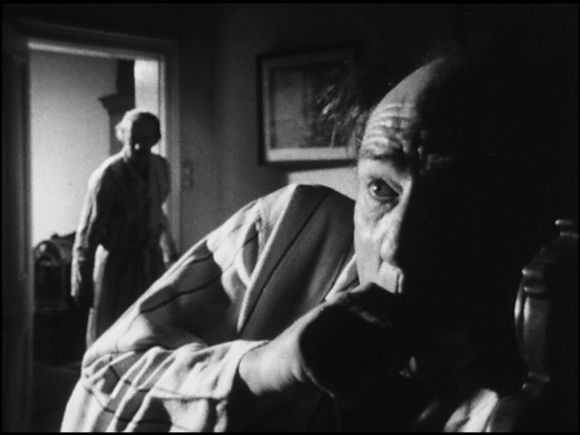
There is no excerpt because this is a protected post. Continue reading Protected: The Aural Aesthetics of Ghosts in BBC Ghost Stories – Part 2 (The Disembodied Voice).

Doused in a natural ethnography based upon the landscape, A Spell To Ward Off The Darkness (2013) is a strangely hypnotic mixture of fact and fiction by filmmakers, Ben Rivers and Ben Russell. Both have come from making shorter works and the episodic sense of place and the perspectives of time are all questioned through visual sociology and a natural embarkation of documentary film. There’s … Continue reading A Spell To Ward Off The Darkness (2013) – Ben Rivers + Ben Russell.

The geographical make-up of a film’s scenario is often a subtle root-cause of its dramatic effect. The sense of place, both its physical and psychological attributes, can be so overwhelming that whole narratives can follow the buckling of characters under pressure from this force; to the point where their own emotional identity and personal dynamics fluctuate, reflect, and occasionally attempt to rebel against an imposing … Continue reading The Unleashing of Repressed Eroticism in Black Narcissus (1947) and The Shining (1980).

In one of the first attempts I made at canonising the sub-genre of Folk Horror, I likened the majority of its films to be brilliant but mere fugues on the ideas presented in Benjamin Christensen’s Häxan: Witchcraft Through The Ages (1922). Outside of Victor Sjöström’s The Phantom Carriage (1921), it was the earliest and most explicit form of the sub-genre that seemed to be surviving … Continue reading The Uncanny in Häxan: Witchcraft Through The Ages (1922)- Benjamin Christensen.

“Above all, don’t lie to yourself. The man who lies to himself and listens to his own lie comes to a point that he cannot distinguish the truth within him, or around him, and so loses all respect for himself and for others. And having no respect he ceases to love.” Dostoevsky in The Brothers Karamazov. The above quote from Dostoevsky’s masterful work, The Brothers … Continue reading Deception and False Uptopia in the Films of Yorgos Lanthimos (Dogtooth, Alps).
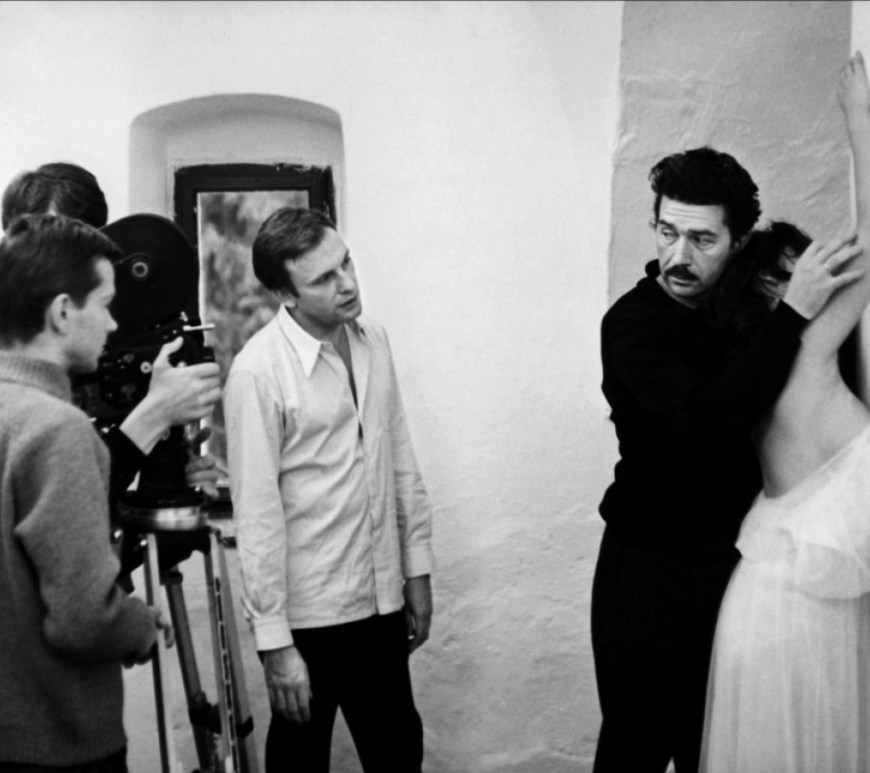
This review contains minor plot details. When a body of work is inherently made up of intricately layered themes and hidden caches of ideas, surmising the work as a whole can be extremely difficult. This is never more prescient than in the BFI’s release of six films by French film writer and director, Alain Robbe-Grillet; a seemingly missing link in French cinema of the 1960s … Continue reading Alain Robbe- Grillet: Six Films, 1963-1974 (BFI).

Out of all of the modern interpretations of film-noir produced in the 1970s, The Long Goodbye (1973) is by far the most aesthetically interesting. This isn’t only because of its integration with counter-culture ideas and values, but with its continuous critical assessment of genre tropes. This critique, which extends to the literature and music as well as the films of the hindsight-based movement, is considered … Continue reading The Long Goodbye (1973, Robert Altman) – A Musical Critique of Film-Noir.

Chantal Akerman’s News from Home (1976-77) is a visual diary reflecting on a very personal history. A feature length film of sorts, it seems born out of cathartic necessity rather than simply creative ambition. Akerman had been working throughout the 1970s, and News from Home was made after her critical appreciation had more grown in stature, largely thanks to the impossible-to-ignore vigour of her four hour 1975 feature, Jeanne Dielman, … Continue reading The Quiet City

 Celluloid Wicker Man