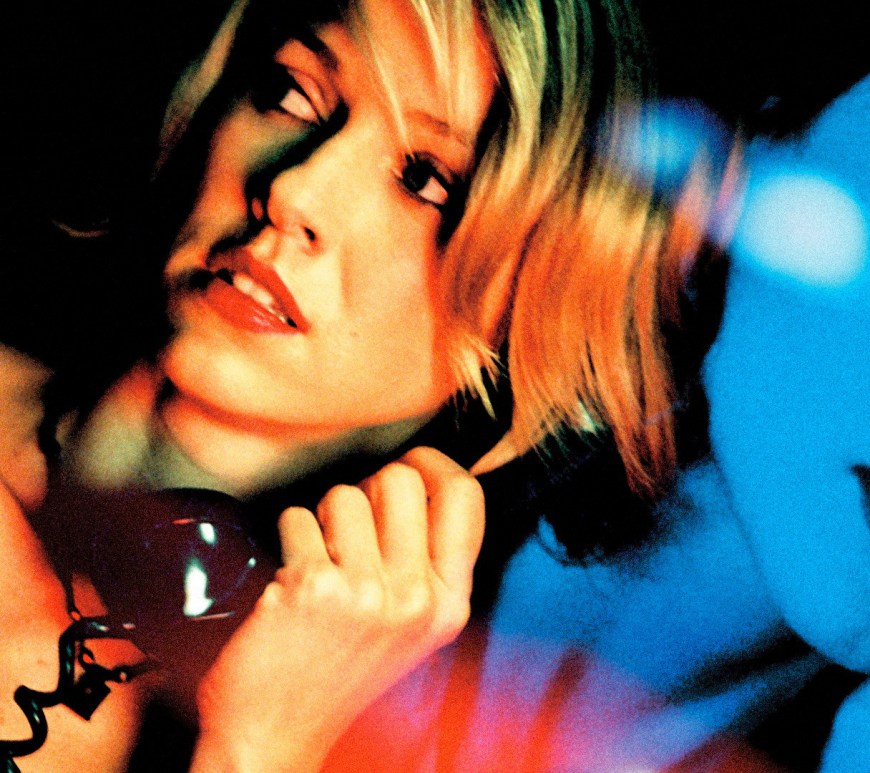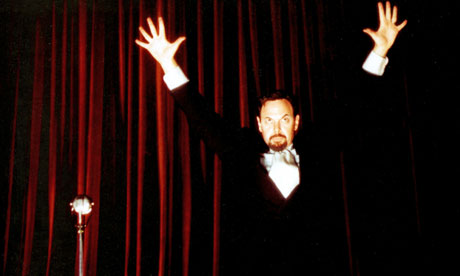
David Lynch’s Assimilation Of The Avant Garde – Part 2 (Musical Score and Club Silencio).

Part 1. Musical score – In the Context of David Lynch and Film Noir. The score for Mulholland Drive is a melting pot of ideas, genres and textures all of which add to the ineffable nature of the film.  Instead of putting the music in contrast with outside environments and films like most normal critiques would, the analysis is firstly in the context of Lynch’s … Continue reading David Lynch’s Assimilation Of The Avant Garde – Part 2 (Musical Score and Club Silencio).

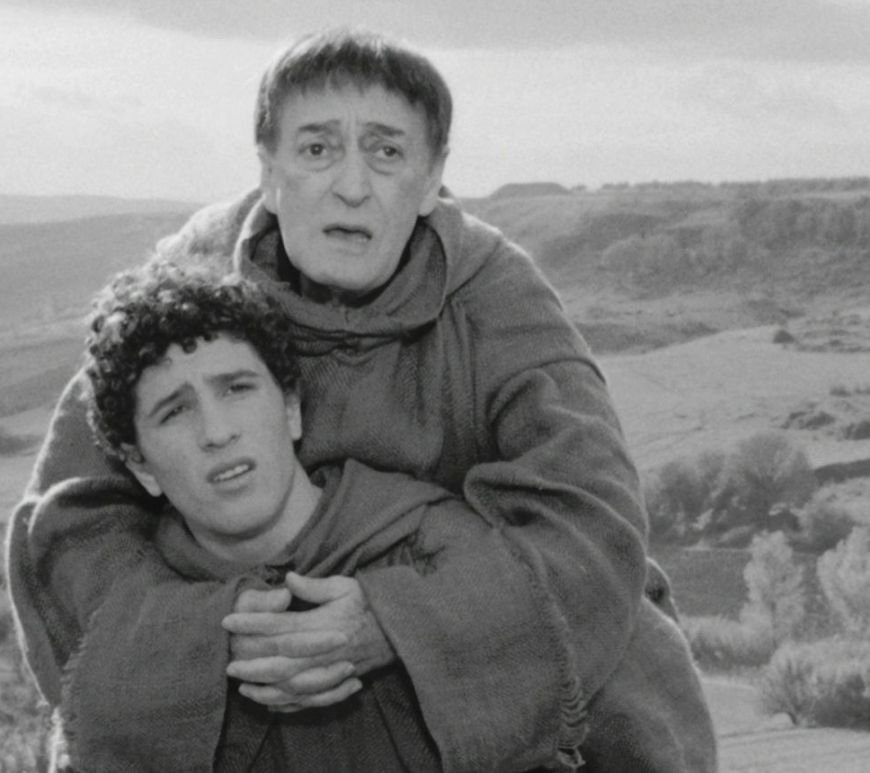
Musical Emphasis on Visual Words (François Truffaut and Pier Paolo Pasolini)

The relationship between sound and vision in film is one that is complex and almost indefinable in a broad sense due to each director and composer treating such relationship in different ways.  The two examples about to be discussed are almost reverse images of each other’s effects; the same method has been applied but for different reasons and different results.  Much examination has taken place … Continue reading Musical Emphasis on Visual Words (François Truffaut and Pier Paolo Pasolini)

David Lynch + Assimilation of Avant-Garde Aesthetics in Subversive, Mainstream Soundtracks (Part 1)

Introduction – The Boundaries Of Criteria. “He was the most original director in 1980s cinema, its only surrealist” – Mark Cousins on David Lynch (2004, p.394). The Avant-Garde is like a spark or a flash of quick-fire creative ideals.  The idea of Avant-Garde cinema is not so much to present an experience or escapism, but is there instead to quickly question the ideals of the audience … Continue reading David Lynch + Assimilation of Avant-Garde Aesthetics in Subversive, Mainstream Soundtracks (Part 1)

The Blue Angel – Josef Von Sternberg (1930, Masters of Cinema)

This review contains spoilers. For a filmmaker who was supposedly uninterested in visual allegory, Josef Von Sternberg’s The Blue Angel (1930) is full of potential for visuals readings if wanted.  One of the first sound films to come out of Germany, it is astonishing how the medium’s relative newness seems to have had little negative effect on the visuals of this pioneering film.  However it … Continue reading The Blue Angel – Josef Von Sternberg (1930, Masters of Cinema)

Maya Deren And The Scores Of Teiji Ito (Meshes Of The Afternoon + Others)

Time past and time future, What might have been and what has been, Point to one end, which is always present. – T.S Eliot (Four Quartets) There’s a clash often present in the films of Maya Deren but especially in the ones that incorporate music into their styling.  From her most famous short Meshes Of The Afternoon (1943 or 1952 with music) to other titles such as … Continue reading Maya Deren And The Scores Of Teiji Ito (Meshes Of The Afternoon + Others)

Cry Of The Banshee – Gordon Hessler (1970)

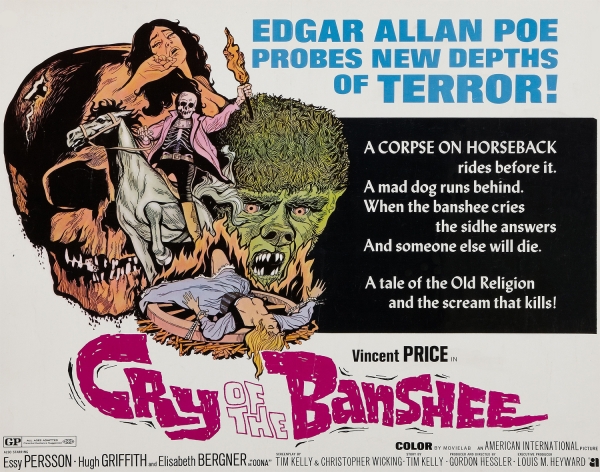
Cry of the Banshee (1970) makes no qualms as to what its aims are.  Looking at its promotional poster, it would be natural to associate it with Roger Corman’s Poe films; it’s emblazoned with Edgar Allen Poe references, its main star is Vincent Price and its design is a technocolour nightmare.  The film itself is about as far from Corman’s dreamlike fantasies as possible in … Continue reading Cry Of The Banshee – Gordon Hessler (1970)

The Horror Score Rebellion – Part 3 (Rosemary’s Baby And Popular Music In Horror)

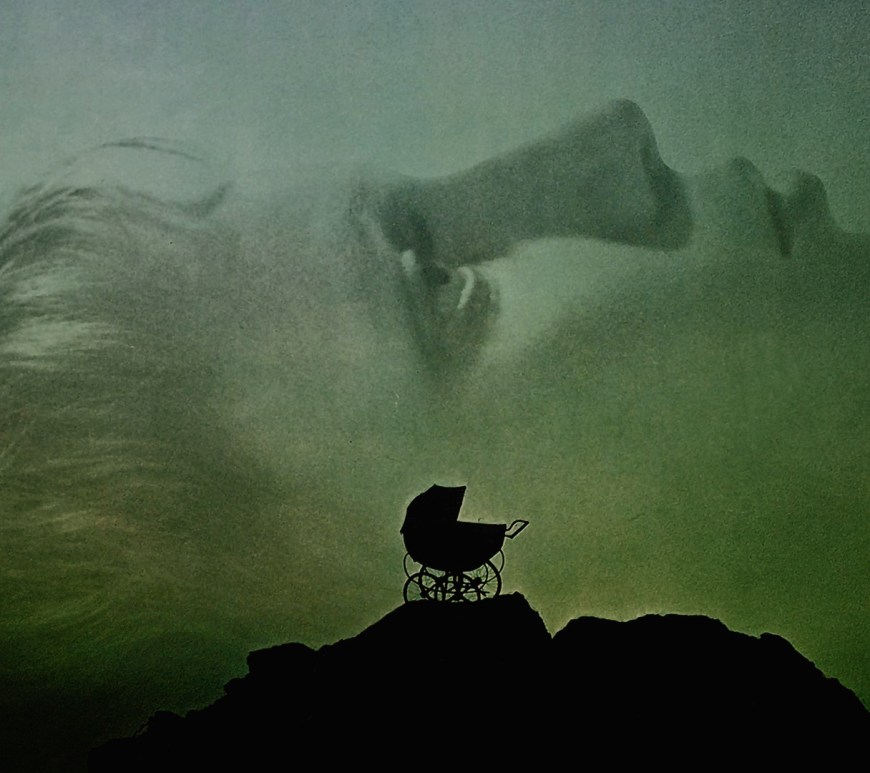
Though 1968 may best be remembered for Romero’s zombies, another film released that same year had a similar impact to the way horror films in the subsequent decade were scored. Rosemary’s Baby, directed by Polish émigré Roman Polanski, has a legacy of imitators that developed from its scoring techniques. Polanski’s tale of the occult in a Manhattan apartment block primarily employs a classical score but large … Continue reading The Horror Score Rebellion – Part 3 (Rosemary’s Baby And Popular Music In Horror)

BFI Fairy Tales – Early Colour Stencil Films From Pathé (1901 – 1908)

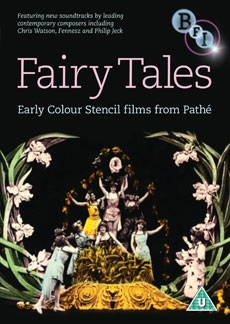
There’s something startling about just how inventive cinema was in the early days of its creation.  Whereas other artistic mediums have taken hundreds of years to bear fruit, film seemed to have caught on to what it was about mere years after its very conception.  Ranging from 1901 to 1908, the films in the BFI Fairy Tales release show a frank endorsement of both storytelling … Continue reading BFI Fairy Tales – Early Colour Stencil Films From Pathé (1901 – 1908)

Interview with Ben Rivers

Originally published in ACE Magazine. Ben Rivers is one of Britain’s leading experimental filmmakers, broaching the ground between narrative and documentary film. He has been making short films since 2003 but has recently risen in popularity due to the release of his first feature length film Two Years At Sea in 2011. Rivers is famed not just for creating haunting visuals but also for using … Continue reading Interview with Ben Rivers