Patience (Grant Gee) and The Rings of Saturn (W.G. Sebald) – Capturing Perception

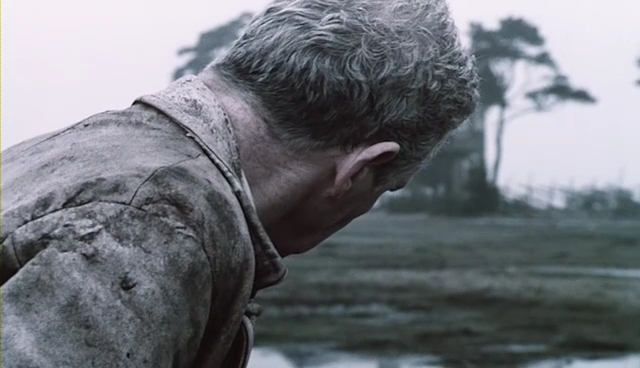
There are a number of reception possibilities attainable when watching Grant Gee’s 2011 essay film, Patience (After Sebald).  Any film based on a book or around an author is always going to separate its viewers into two groups; those who have read the original source material and those who have not.  While the latter will be seeking to latch onto the their initial experience of … Continue reading Patience (Grant Gee) and The Rings of Saturn (W.G. Sebald) – Capturing Perception

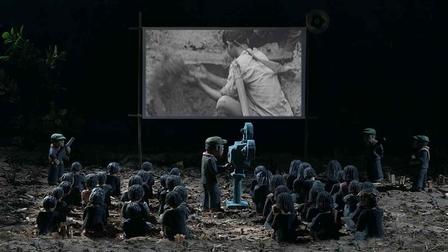
The Missing Picture (2013) – Rithy Panh.

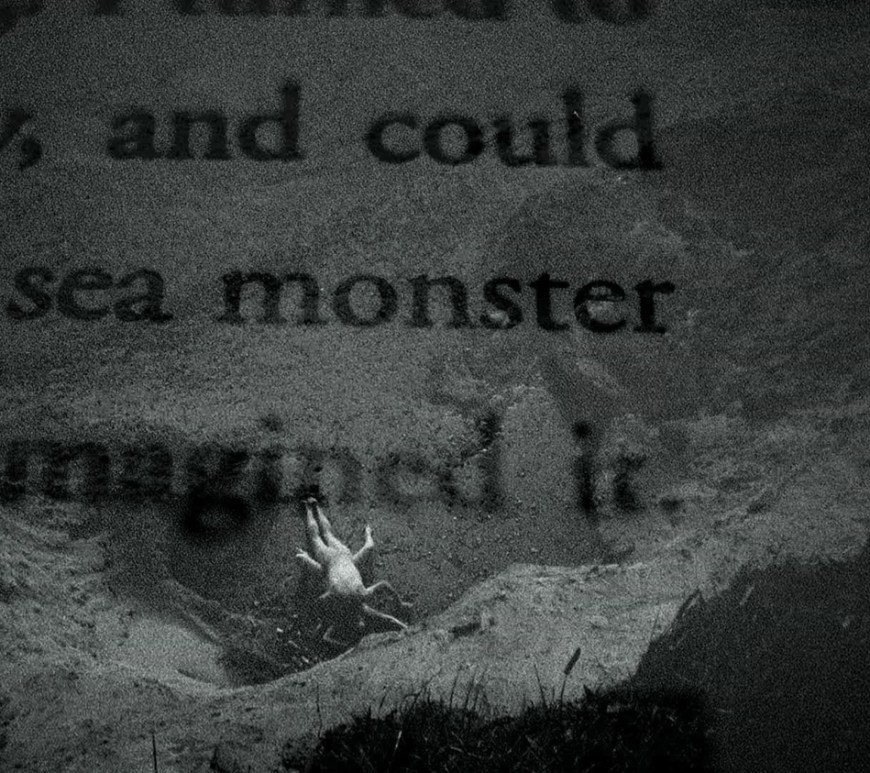
Despite living in an age of increased documentation, archive and detail, history can still be a tricky picture to paint.  For so long, the old adage of it being written by “the winning side” has been a tried and tested bias exposed in whole chapters of recounted history.  This has been a development based around prejudice whether through class, racism, sexism or other forms of … Continue reading The Missing Picture (2013) – Rithy Panh.

Ligeti’s Atmosphères as a Musical Foreshadowing of Kubrick’s 2001- Part 2 (The Musical Past)

Part 1. Musical Techniques of Atmosphères and Disassociations with the Past. “Seen from this angle, with Atmosphères I was consciously reacting against the refinement of serialism.  Musical texture in Atmosphères is also refined but in quite a different dimension.” -Ligeti (1983, p.38). Before even looking in any depth at the notational content of Ligeti’s Atmosphères, it becomes clear to the reader when looking over the … Continue reading Ligeti’s Atmosphères as a Musical Foreshadowing of Kubrick’s 2001- Part 2 (The Musical Past)

Elemental Chaos and Eternal Return in Scriabin and Andrei Tarkovsky – Part 2 (Chaos)

Part 1. Elemental Chaos. “The Mountains, Fields, Meadows, Forest, and Wilderness of the Preparatory Act text symbolize the mineral kingdom and natural kingdoms of the Earth, the first three “Rounds” of the Wheel of Cosmic life.” (1998, p.303) – Stephen Morris. It is not revolutions and upheavals That clear the road to new and better days, But revelations, lavishness and torments Of someone’s soul, inspired … Continue reading Elemental Chaos and Eternal Return in Scriabin and Andrei Tarkovsky – Part 2 (Chaos)

Ligeti’s Atmosphères as a Musical Foreshadowing of Kubrick’s 2001- Part 1 (Introduction)

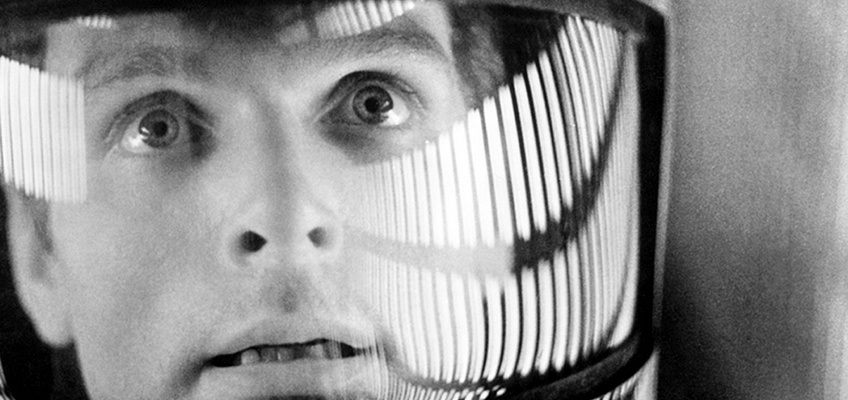
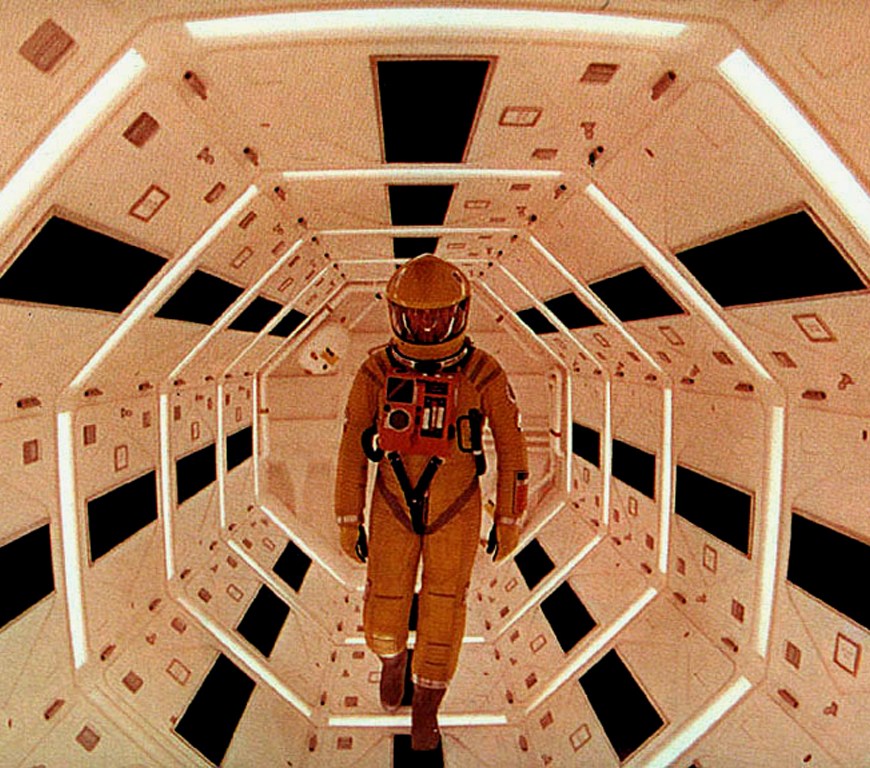
Ligeti’s Atmosphères as a Musical Foreshadowing of Stanley Kubrick’s 2001: A Space Odyssey. Introduction. “First in Cologne in 1957 and later during my long stay in Vienna in the ’60s, I gradually evolved a musical style in which I abandoned structures conceived in terms of bars, melodies, lines and conventional forms.  In this respect my first two orchestral works, Apparitions and Atmosphères, are the most … Continue reading Ligeti’s Atmosphères as a Musical Foreshadowing of Kubrick’s 2001- Part 1 (Introduction)

Classe Tous Risques (1960) – Claude Sautet (BFI)

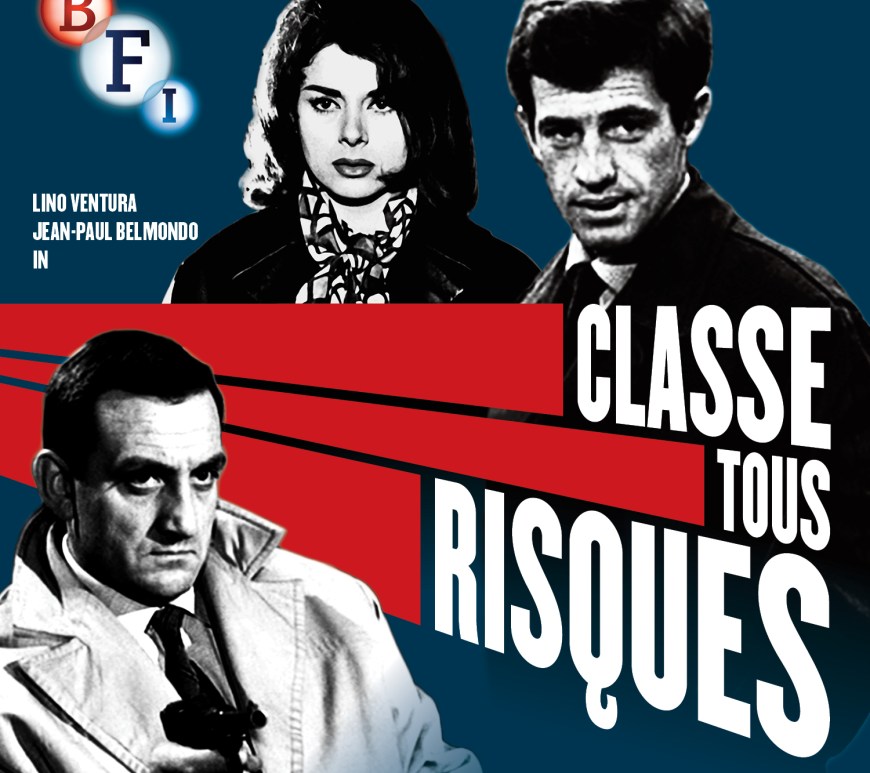
In spite of working wearily outside of the French New Wave movement, Claude Sautet’s debut feature, Classe Tous Risques (1960), cannot help but evoke the cinematic environment bursting forth around it.  While it may seem crass to spend time discussing more well known work in an article about a director whose work has been largely ignored outside of his national audience, it should also aim … Continue reading Classe Tous Risques (1960) – Claude Sautet (BFI)

Elemental Chaos and Eternal Return in Scriabin and Andrei Tarkovsky – Part 1 (Introduction)

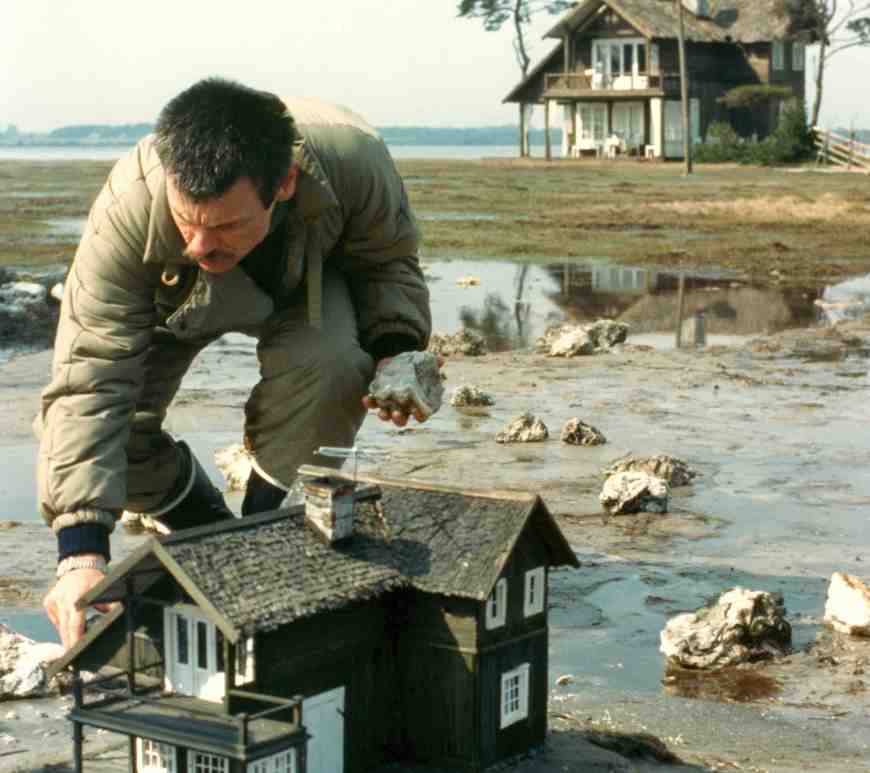
Elemental Chaos and Nietzsche’s Eternal Return in the Music of Alexander Scriabin and the Films of Andrei Tarkovsky. Introduction “It is as natural to die as to be born; and to a little infant, perhaps, the one is as painful as the other.” (1625/2002, p.344) – Francis Bacon. The cyclic nature of life and the process of destruction and rejuvenation has been a subject of … Continue reading Elemental Chaos and Eternal Return in Scriabin and Andrei Tarkovsky – Part 1 (Introduction)

Peeping Tom (Michael Powell,1960) – Aural Perspectives of Murder.

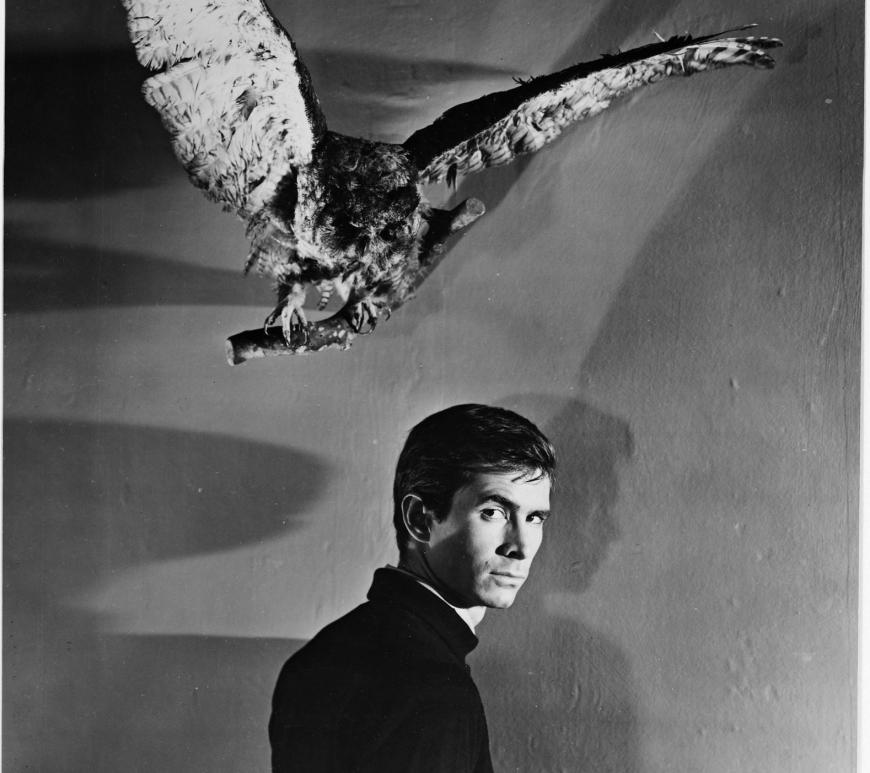
In spite of its very energetic reappraisal and various analyses, Michael Powell’s career destroying masterpiece, Peeing Tom (1960), is a film whose musical eccentricities and sound design contain hidden depths. For a film that appears on the surface to be almost excessively Freudian, this was normal yet, when looking at some of the detailed reappraisals and even some of the high-end re-evaluations of its narrative … Continue reading Peeping Tom (Michael Powell,1960) – Aural Perspectives of Murder.

Analysis of Sound and Music in Alfred Hitchcock’s Psycho (1960) – Part 4 (Conclusions)

Part 1. Part 2. Part 3.  Combining the Readings: Similarities, Contradictions and Cross-Over. “It’s as if the film were pinpointing the very essence of the unfilmable: the entwined couple, monstrous, the two-backed beast of the primal scene, the impossible couple of body and voice.” – Michel Chion (1999, p.149). While Murphy and Fenimore examine and address different points and issues, their resulting essays not only … Continue reading Analysis of Sound and Music in Alfred Hitchcock’s Psycho (1960) – Part 4 (Conclusions)

Journal De France – Raymond Depardon and Claudine Nougret.

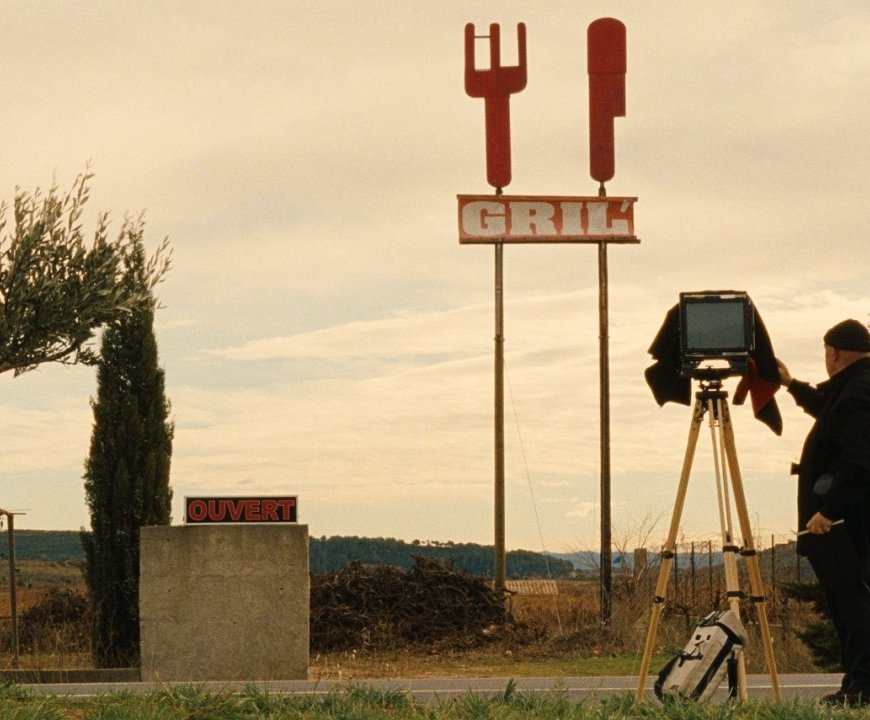
There’s an unspoken relationship between a nation and its artists that rarely gets exposed during the artists’ lifetime.  While history can be conceived as a linear time-line of events, resulting from various scenarios of cause and effect, it is not until after the death of an artist that it becomes clear how their work can be seen as a reflection of various cultural milestones and … Continue reading Journal De France – Raymond Depardon and Claudine Nougret.