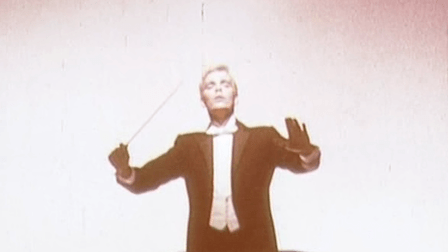
A Musicological Study of Ken Russell’s Composer Films – Part 5 (Dance of the Seven Veils).

Part 1. Part 2. Part 3. Part 4.  When approaching a cinematic portrayal of Richard Strauss, Russell is, for the first time in his biographical canon, openly honest about its position within cultural texts.  Dance of the Seven Veils has a sub-heading that reads “A comic strip in 7 episodes on the life of Richard Strauss” which is the first open admission that this is … Continue reading A Musicological Study of Ken Russell’s Composer Films – Part 5 (Dance of the Seven Veils).

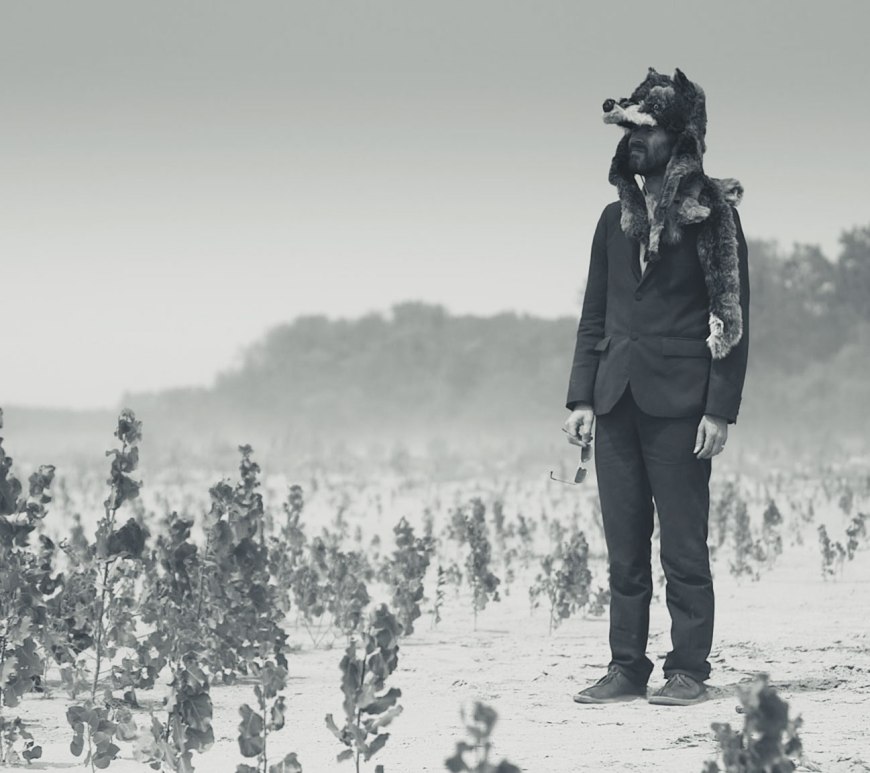
American Interior (2014) – Gruff Rhys and Dylan Goch.

Travelogues and musicians have a natural affiliation; for the latter’s art, travelling will always be a prerogative with touring being an essential part of their creative psyche in order to perform and promote their music.  This is not, however, the main link between the subject of Dylan Goch’s American Interior (2014) and its presenter, Gruff Rhys.  Rhys is the frontman of the Welsh band, Super … Continue reading American Interior (2014) – Gruff Rhys and Dylan Goch.

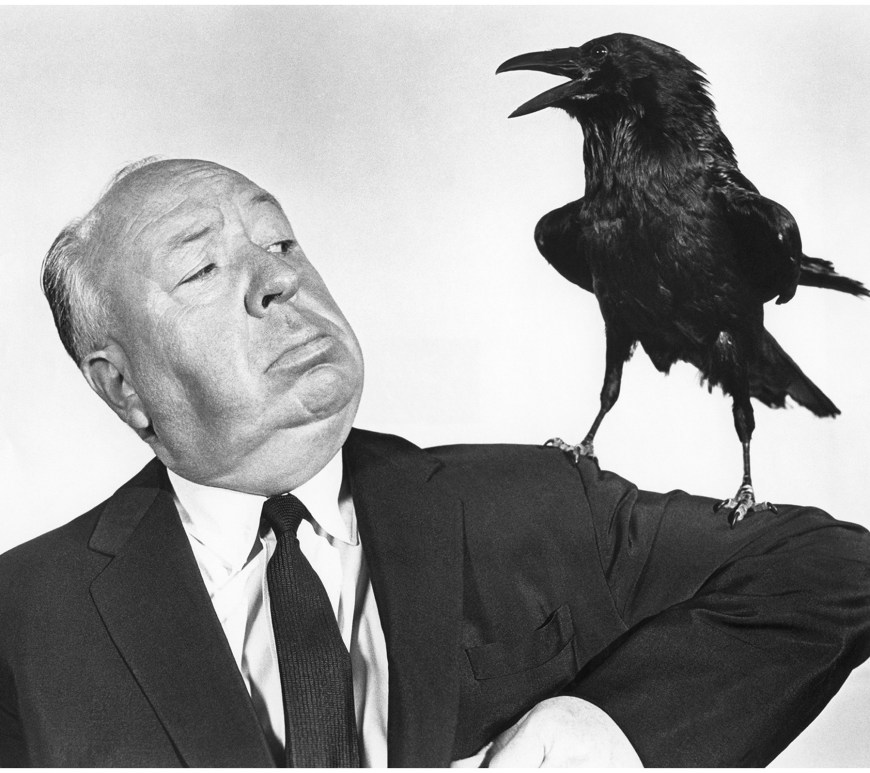
Sounds of The Birds (1963) – Alfred Hitchcock.

Few directors have had their relationship with music analysed as much as Alfred Hitchcock.  His natural ability to select the right composer to almost brand his films aurally has often meant that the musical scores have become synonymous with his filmmaking style even though they have been created by several different composers over the years.  With this context then, Hitchcock’s 1963 film, The Birds, seems … Continue reading Sounds of The Birds (1963) – Alfred Hitchcock.

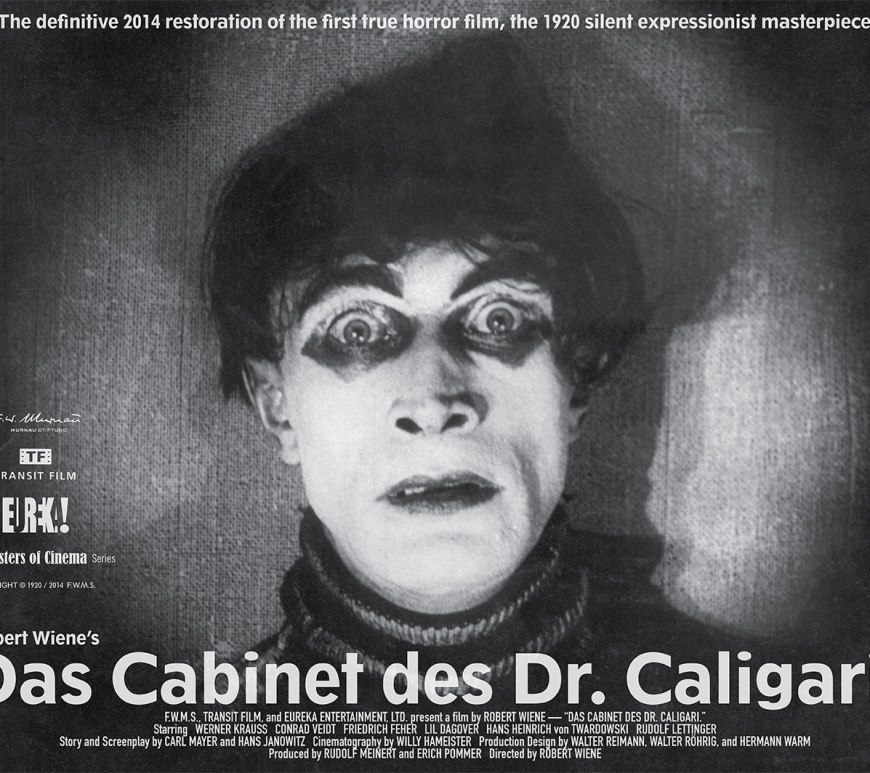
Das Cabinet Des Dr. Caligari (1920) – Masters of Cinema Restoration.

Shadows dance upon the walls of Robert Wiene’s Das Cabinet Des Dr. Caligari (1920).  The world of shadows and light, edges and angles, the slanted and the macabre, all seem so much more at home in silent cinema as a whole; images that negate sound have a very natural ghostliness to their nature.  This is doubly so for a film that nigh on invented horror … Continue reading Das Cabinet Des Dr. Caligari (1920) – Masters of Cinema Restoration.

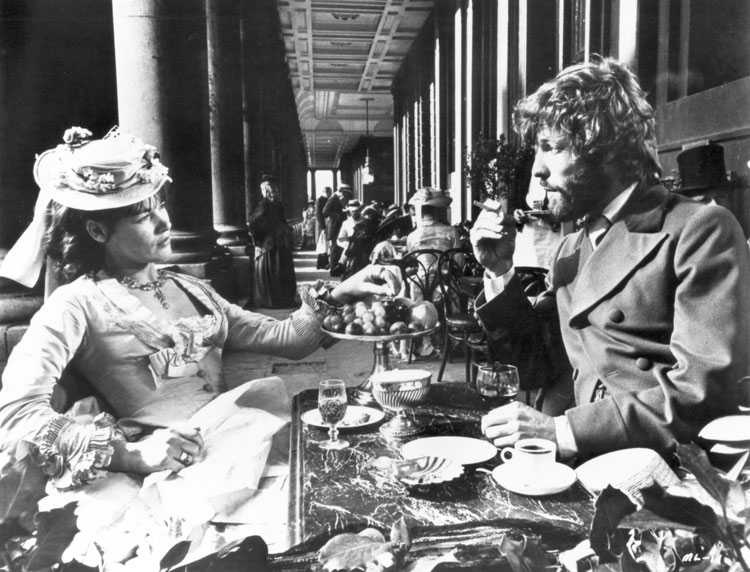
A Musicological Study of Ken Russell’s Composer Films – Part 4 (The Music Lovers).

Part 1. Part 2. Part 3. Transitional Films and Symbolic Representations of Classical Composers. In spite of using the visual form as an excuse for experimentation with documentary and biography as seen in his films for the BBC, it wasn’t until the early 1970s where Russell really found material to properly experiment with.  The word experimental however must be contextualised as even the films discussed … Continue reading A Musicological Study of Ken Russell’s Composer Films – Part 4 (The Music Lovers).

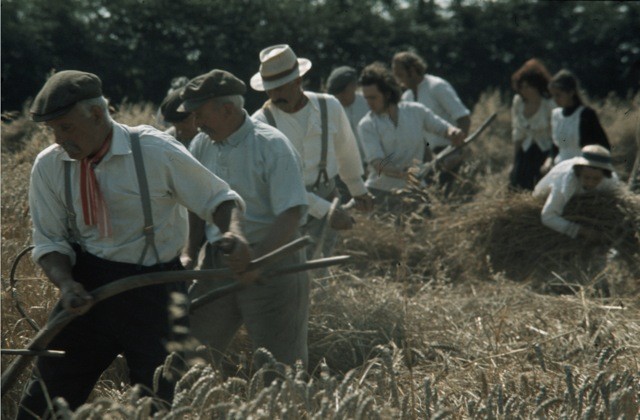
The Music of Folk Horror – Part 8 (Conclusions).

Part 1. Part 2. Part 3. Part 4. Part 5. Part 6. Part 7. Conclusions From the analysis of only a handful of British folk horror films, it has been shown that they rely heavily on their music in order to achieve their full cinematic effect.  Altman states the following when discussing genre theory: “Constantly opposing cultural values to counter-culture values, genre films regularly depend on … Continue reading The Music of Folk Horror – Part 8 (Conclusions).

The Unleashing of Repressed Eroticism in Black Narcissus (1947) and The Shining (1980).

The geographical make-up of a film’s scenario is often a subtle root-cause of its dramatic effect.  The sense of place, both its physical and psychological attributes, can be so overwhelming that whole narratives can follow the buckling of characters under pressure from this force; to the point where their own emotional identity and personal dynamics fluctuate, reflect, and occasionally attempt to rebel against an imposing … Continue reading The Unleashing of Repressed Eroticism in Black Narcissus (1947) and The Shining (1980).

The Uncanny in Häxan: Witchcraft Through The Ages (1922)- Benjamin Christensen.

In one of the first attempts I made at canonising the sub-genre of Folk Horror, I likened the majority of its films to be brilliant but mere fugues on the ideas presented in Benjamin Christensen’s Häxan: Witchcraft Through The Ages (1922).  Outside of Victor Sjöström’s The Phantom Carriage (1921), it was the earliest and most explicit form of the sub-genre that seemed to be surviving … Continue reading The Uncanny in Häxan: Witchcraft Through The Ages (1922)- Benjamin Christensen.

Great British Documentaries

“In documentary we deal with the actual, and in one sense with the real. But the really real, if I may use that phrase, is something deeper than that. The only reality which counts in the end is the interpretation which is profound.” – John Grierson. With Sight & Sound’s recent poll for best documentaries (September 2014), I wanted to explore some of the British … Continue reading Great British Documentaries

A Musicological Study of Ken Russell’s Composer Films – Part 3 (The Debussy Film).

Part 1. Part 2. The Dramatisation of History in The Debussy Film (1965). For a film relatively early on in Russell’s portrayals of classical composers, The Debussy Film is surprisingly knowing about the director’s position as story-teller in the relaying of history to the viewer.  The history of the French “impressionist” composer, Claude Debussy, is one of the more dramatic that Russell chooses to recreate … Continue reading A Musicological Study of Ken Russell’s Composer Films – Part 3 (The Debussy Film).