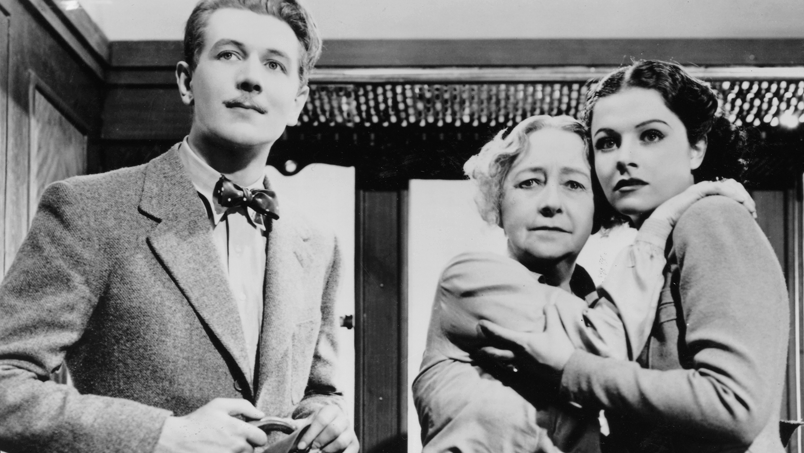
The Lady Vanishes (Alfred Hitchcock, 1938) – Early Uses of Musical, Narrative Tools.

Hitchcock’s early British films tend largely to be devoid of the interesting, endlessly analysable scores his later films have, (thanks mainly to Bernard Herrmann being sat at the musical helm).  It seems to have been an almost standard practice to use a handful of musical scores or fragments in the occasional scene but to largely leave the films musically blank outside of their opening and … Continue reading The Lady Vanishes (Alfred Hitchcock, 1938) – Early Uses of Musical, Narrative Tools.

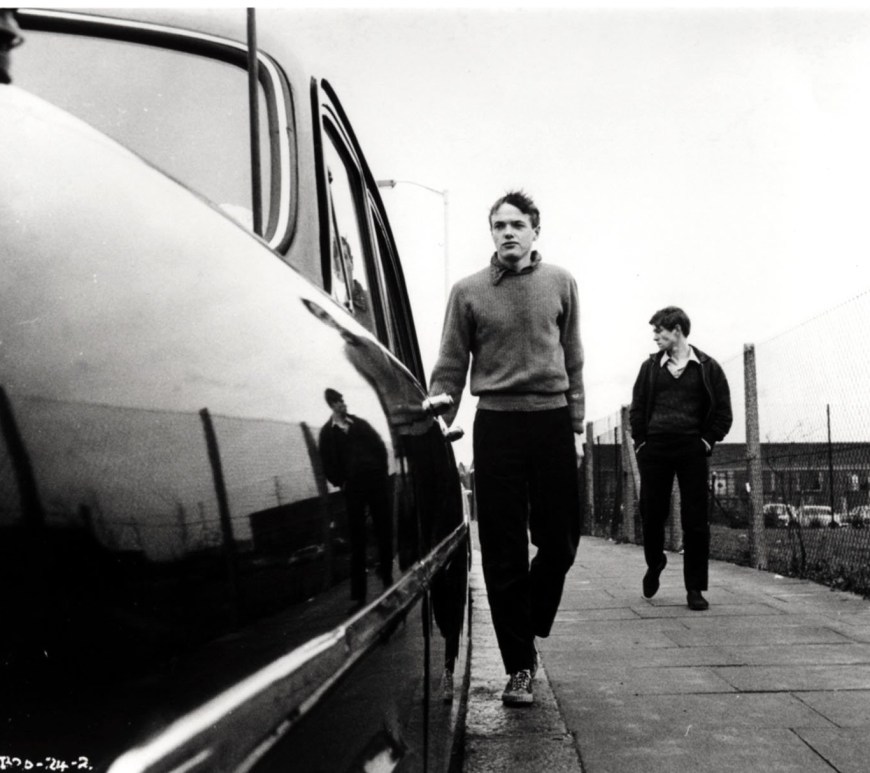
The Loneliness of the Long Distance Runner – Use of Music and Sound In British Working Class Film (Part 4).

Part 1 Part 2 Part 3 The Loneliness of the Long Distance Runner. The Metaphorical Use of Diegetic Sound and Music. The Loneliness of the Long Distance Runner has several different uses of sound; two of which aren’t musical.  The title perhaps gives a hint that the sound of running feet on a hard ground will play a vital role in the film.  This rhythmic, … Continue reading The Loneliness of the Long Distance Runner – Use of Music and Sound In British Working Class Film (Part 4).

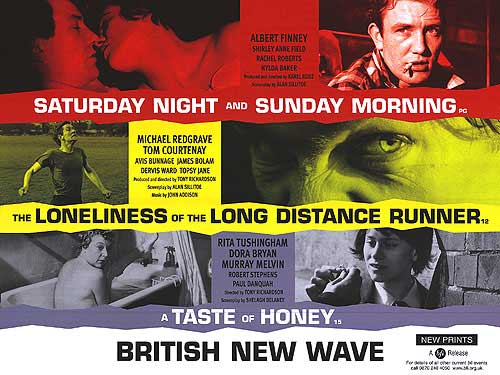
The Use of Sound & Music in British Working Class Film – Part 3 (British New Wave Cinema).

Part 1. Part 2. Metaphorical Music and British New Wave Film. “But who could describe the delicious sensation produced in me by the delicate harmony and angelic singing of that song which finally did! What an awakening, what bliss, what ecstasy when I opened my ears and my eyes together!” (Rousseau, 1781, p.294). British New Wave Film. The British New Wave movement, like so many … Continue reading The Use of Sound & Music in British Working Class Film – Part 3 (British New Wave Cinema).

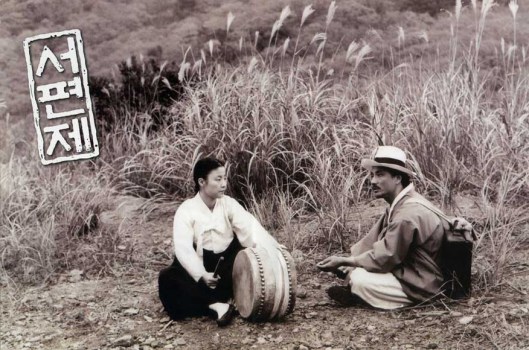
South Korean Film Scores and Ease of Consumption – Part 3 (Seopyeonje’s P’ansori and Soo-Chul Kim).

Part 1. Part 2. The Music of Soo-Chul Kim and the P’ansori aesthetic. Soo-Chul Kim is the composer of the nondiegetic score for Seopyeonje, though it is unclear how much influence he had on the other musical aspects of the film.  Looking at the film’s score, it can at first seem quite sparse once the diegetic P’ansori music is ignored.  Soo-Chul Kim’s music recurs throughout … Continue reading South Korean Film Scores and Ease of Consumption – Part 3 (Seopyeonje’s P’ansori and Soo-Chul Kim).

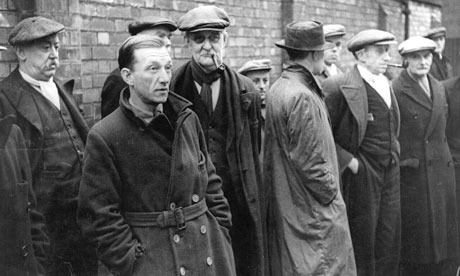
Sound And Music In Cinema About The British Working Class (Part 1).

Propaganda, Metaphor And Nostalgia:  Sound And Music In Cinema About The British Working Class. Introduction – Class and the Arts “The collective function of music has become transformed into the function of ensnaring the customer.” (Adorno, 1947, p.61). Class is an ever pervasive issue in British society. While manifesting into many forms around the world, the British flavour of delineation appears to draw the most … Continue reading Sound And Music In Cinema About The British Working Class (Part 1).

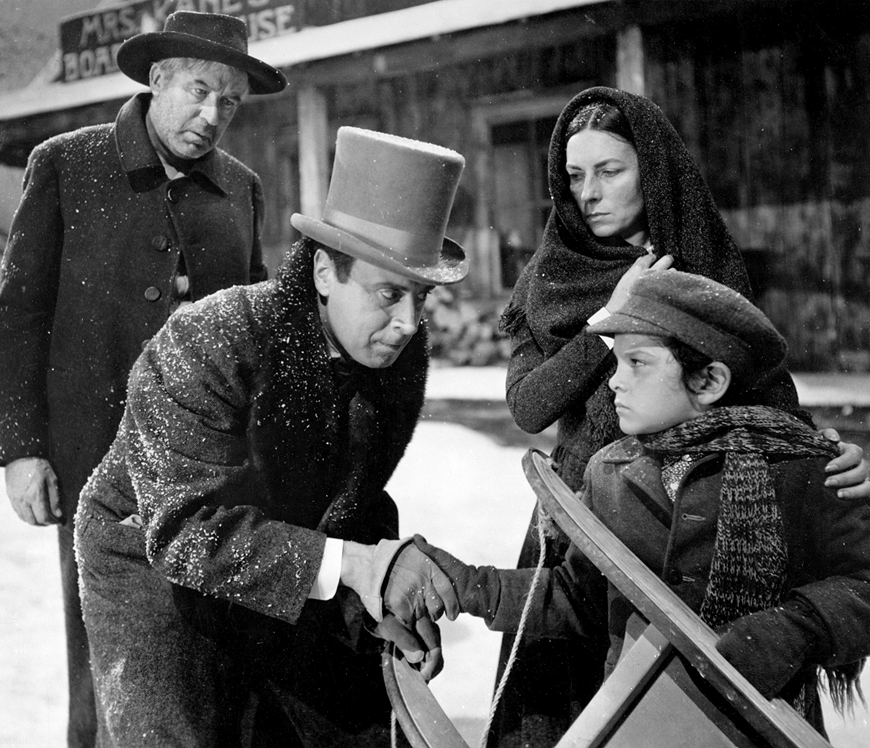
The Harp And The Sound Of Snow – Citizen Kane, Lost Horizon and Ikiru.

The use of harp in film scores has gained a number of clichéd uses over the years.  It can be seen as the most typical of ways to introduce dream sequences, even in more adventurous visual forms of dreams such as in Hitchcock’s Spellbound (1954) (score by Miklós Rózsa) or can be used as a leitmotif for harmony, paradise and utopia which also handily connects … Continue reading The Harp And The Sound Of Snow – Citizen Kane, Lost Horizon and Ikiru.