South Korean Film Scores and Ease of Distribution – Part 4 (Asia Extreme and Westernisation)

Part 1. Part 2. Part 3. Asia Extreme and the Westernisation of South Korean Film Music. The most popular avenue for South Korean cinema to enter the West, outside of the art-house festival circuit, is in the form that has loosely been dubbed “Asia Extreme”.  This isn’t just South Korean film but also Japanese cinema as well as a number of others.  The sub-genre is … Continue reading South Korean Film Scores and Ease of Distribution – Part 4 (Asia Extreme and Westernisation)

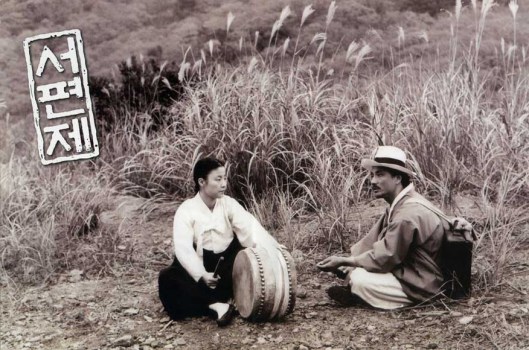
South Korean Film Scores and Ease of Consumption – Part 3 (Seopyeonje’s P’ansori and Soo-Chul Kim).

Part 1. Part 2. The Music of Soo-Chul Kim and the P’ansori aesthetic. Soo-Chul Kim is the composer of the nondiegetic score for Seopyeonje, though it is unclear how much influence he had on the other musical aspects of the film.  Looking at the film’s score, it can at first seem quite sparse once the diegetic P’ansori music is ignored.  Soo-Chul Kim’s music recurs throughout … Continue reading South Korean Film Scores and Ease of Consumption – Part 3 (Seopyeonje’s P’ansori and Soo-Chul Kim).

Berberian Sound Studio – Part 3 (Sound as Narrative and Conclusions).

Part 1 Part 2 Sound As Narrative The narrative ambiguity of Berberian begins to kick in during the last quarter of the film.  The sound within the narrative gradually eases over the line and starts to become part of the narrative affecting a number of the characters and not simply Gilderoy.  The first hint that the sound is entering reality comes when the previously abused … Continue reading Berberian Sound Studio – Part 3 (Sound as Narrative and Conclusions).

The Problematic Reception of Sound And Vision in Derek Jarman’s Blue – Part 1 (Introduction).

When is a Film Not a Film? The Problematic Reception of Sound And Vision in Derek Jarman’s Blue. Introduction “I don’t think of myself as avant-garde. I think avant-garde died in the last revolution before the war.” – Derek Jarman (1994) For a director whose visual flair and heightened sense of style became a sickly, heady trademark of his work, Derek Jarman knew perfectly well … Continue reading The Problematic Reception of Sound And Vision in Derek Jarman’s Blue – Part 1 (Introduction).

The Use of Sound & Music in British Working Class Film – Part 2 (This Happy Breed – David Lean)

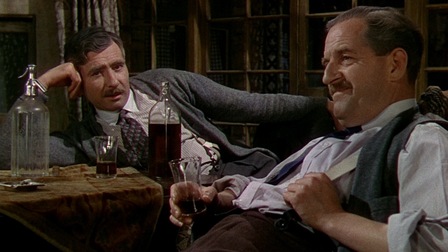
Part 1. Propaganda and David Lean’s This Happy Breed. “The war years saw a revival of English romanticism in response to the need for an idealized reaffirmation of British history and shared values (as perceived within the dominant ideology) and, on the other, for the release into fantasy and dream to relieve the stress, hardship, and agony of war.” (Wollen, 1993 p.41) David Lean’s 1944 … Continue reading The Use of Sound & Music in British Working Class Film – Part 2 (This Happy Breed – David Lean)

Sound And Music In Cinema About The British Working Class (Part 1).

Propaganda, Metaphor And Nostalgia:  Sound And Music In Cinema About The British Working Class. Introduction – Class and the Arts “The collective function of music has become transformed into the function of ensnaring the customer.” (Adorno, 1947, p.61). Class is an ever pervasive issue in British society. While manifesting into many forms around the world, the British flavour of delineation appears to draw the most … Continue reading Sound And Music In Cinema About The British Working Class (Part 1).

The Persistance of Modernity in Japanese Film Scores – Part 2 (Ozu’s Floating Weeds)

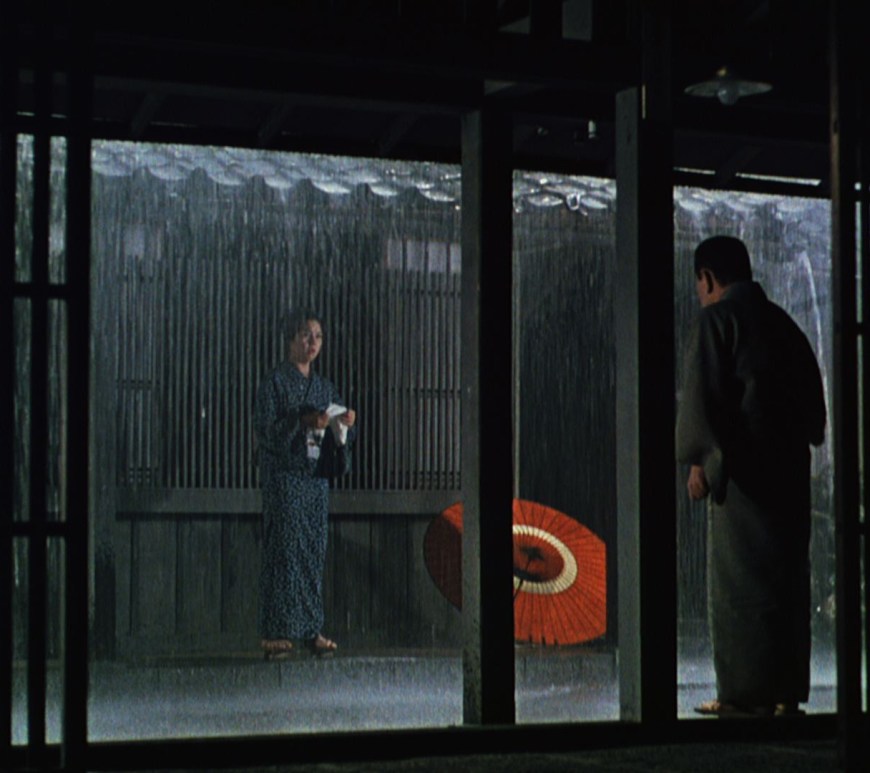
Click for Part 1. Asian Values and Floating Weeds (Music by Saito)[i] Ozu’s later films are perhaps more grounded in the traditions of the Japanese family unit.  Their drama comes from an apparent change in value systems (often a systematic change to more western values) or the opposite of this where characters are bound rigidly by Asian tradition and are desperate to escape.  The music … Continue reading The Persistance of Modernity in Japanese Film Scores – Part 2 (Ozu’s Floating Weeds)

The Persistence of Modernity in Japanese Film Scores – Part 1 (Ozu, Tradition and Silent Film)

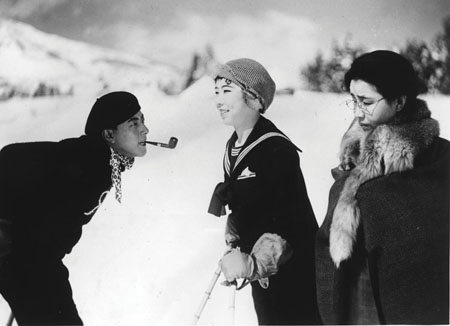
The Persistence of Modernity in Japanese Film Scores. Introduction The scores and music produced for Japanese cinema highlight a constant change of values within the country; a relationship rarely mirrored so accurately in the cinema of anywhere else.  Whereas the film scores of other countries can be looked at as a product of the trends and studio directions, the evolution and changes found within the … Continue reading The Persistence of Modernity in Japanese Film Scores – Part 1 (Ozu, Tradition and Silent Film)

Berberian Sound Studio – Sound And Music As Narrative (Part 1)

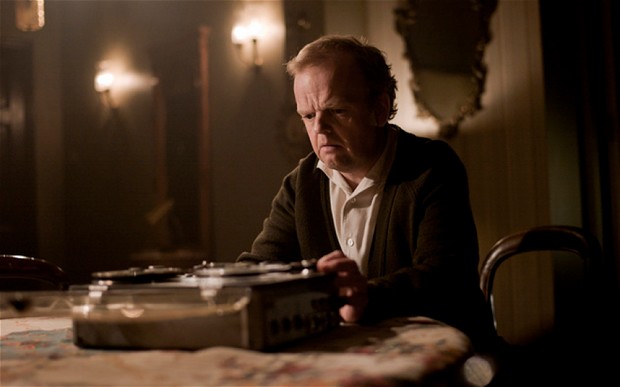
Introduction Peter Strickland’s 2012 film Berberian Sound Studio is the first popular film quite possibly since Stanley Donan’s Singing In The Rain (1952)[i], to focus its narrative around sound as a concept in cinema.  As a visual medium, sound and music is often taken for granted; an assumed norm of film since the 1930s that has a texture of interweaved sound and music that can … Continue reading Berberian Sound Studio – Sound And Music As Narrative (Part 1)

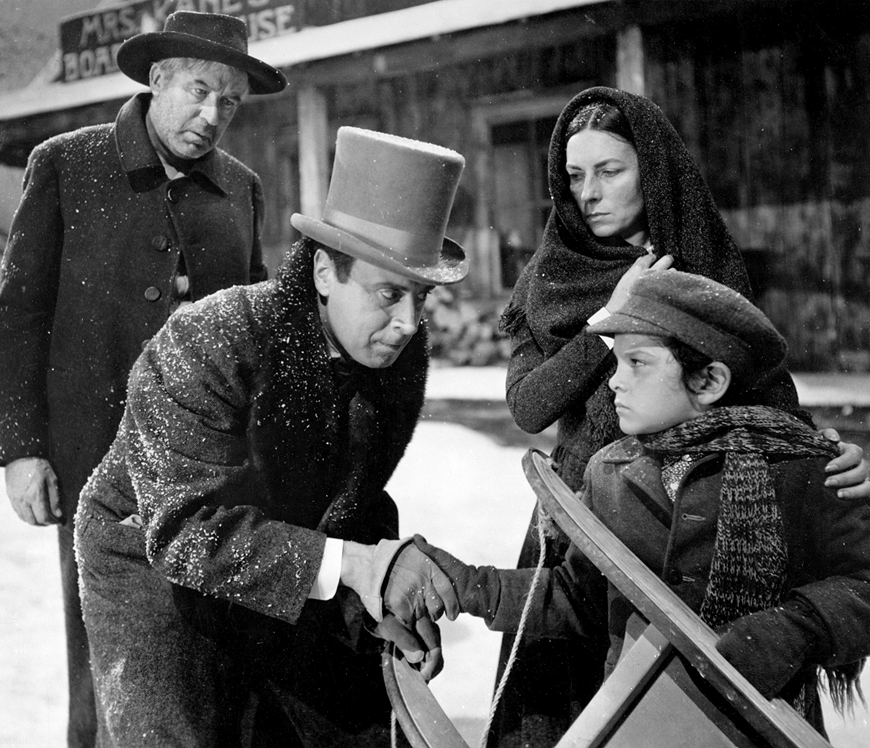
The Harp And The Sound Of Snow – Citizen Kane, Lost Horizon and Ikiru.

The use of harp in film scores has gained a number of clichéd uses over the years.  It can be seen as the most typical of ways to introduce dream sequences, even in more adventurous visual forms of dreams such as in Hitchcock’s Spellbound (1954) (score by Miklós Rózsa) or can be used as a leitmotif for harmony, paradise and utopia which also handily connects … Continue reading The Harp And The Sound Of Snow – Citizen Kane, Lost Horizon and Ikiru.