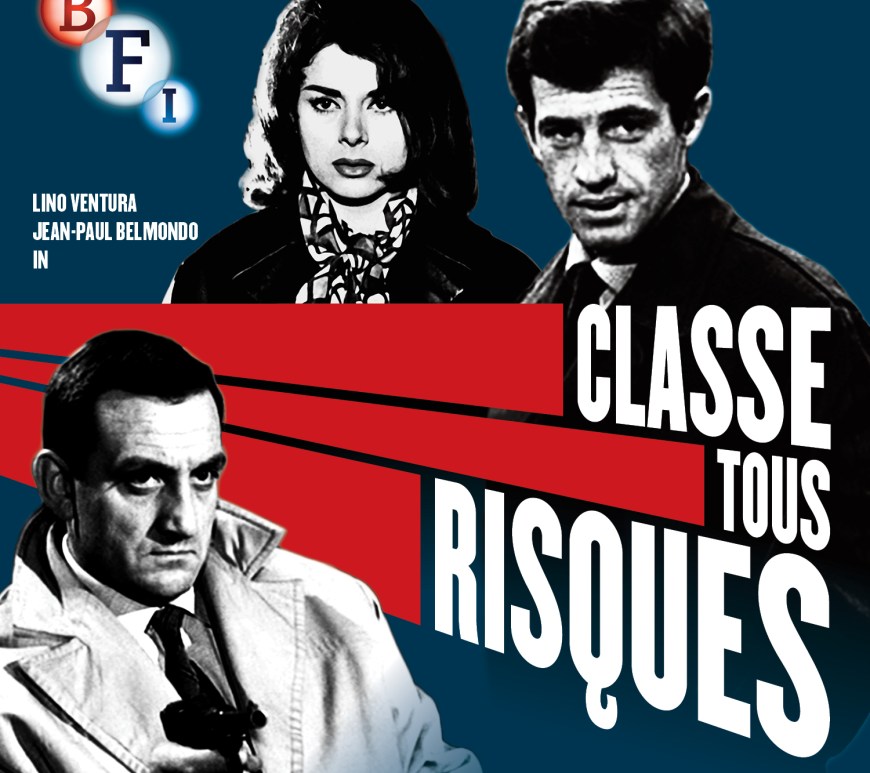
Classe Tous Risques (1960) – Claude Sautet (BFI)

In spite of working wearily outside of the French New Wave movement, Claude Sautet’s debut feature, Classe Tous Risques (1960), cannot help but evoke the cinematic environment bursting forth around it.  While it may seem crass to spend time discussing more well known work in an article about a director whose work has been largely ignored outside of his national audience, it should also aim … Continue reading Classe Tous Risques (1960) – Claude Sautet (BFI)

Elemental Chaos and Eternal Return in Scriabin and Andrei Tarkovsky – Part 1 (Introduction)

Elemental Chaos and Nietzsche’s Eternal Return in the Music of Alexander Scriabin and the Films of Andrei Tarkovsky. Introduction “It is as natural to die as to be born; and to a little infant, perhaps, the one is as painful as the other.” (1625/2002, p.344) – Francis Bacon. The cyclic nature of life and the process of destruction and rejuvenation has been a subject of … Continue reading Elemental Chaos and Eternal Return in Scriabin and Andrei Tarkovsky – Part 1 (Introduction)

Peeping Tom (Michael Powell,1960) – Aural Perspectives of Murder.

In spite of its very energetic reappraisal and various analyses, Michael Powell’s career destroying masterpiece, Peeing Tom (1960), is a film whose musical eccentricities and sound design contain hidden depths. For a film that appears on the surface to be almost excessively Freudian, this was normal yet, when looking at some of the detailed reappraisals and even some of the high-end re-evaluations of its narrative … Continue reading Peeping Tom (Michael Powell,1960) – Aural Perspectives of Murder.

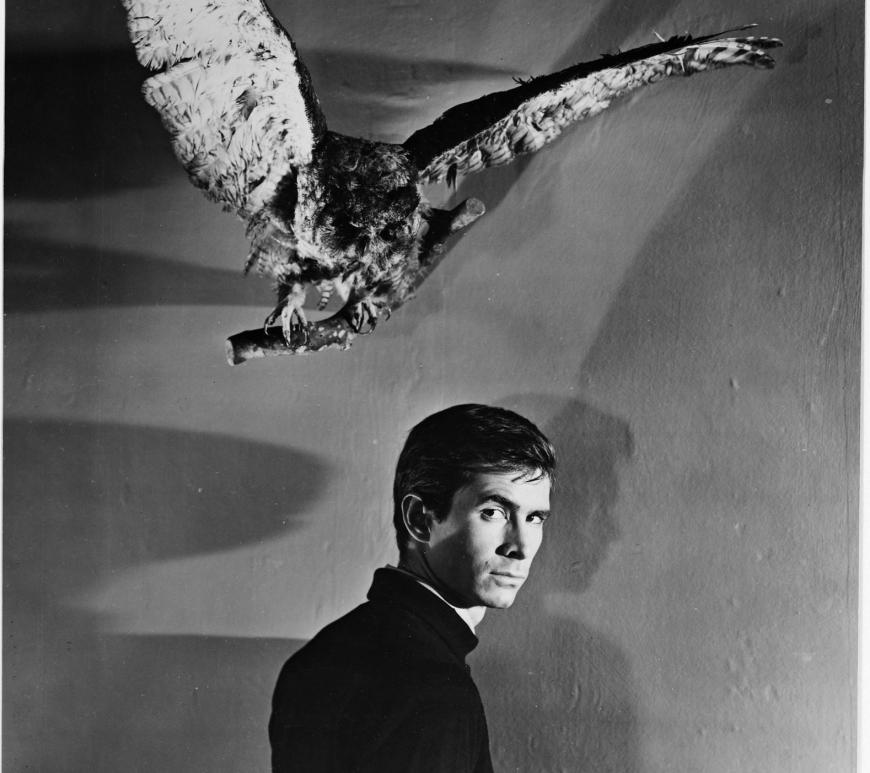
Analysis of Sound and Music in Alfred Hitchcock’s Psycho (1960) – Part 4 (Conclusions)

Part 1. Part 2. Part 3.  Combining the Readings: Similarities, Contradictions and Cross-Over. “It’s as if the film were pinpointing the very essence of the unfilmable: the entwined couple, monstrous, the two-backed beast of the primal scene, the impossible couple of body and voice.” – Michel Chion (1999, p.149). While Murphy and Fenimore examine and address different points and issues, their resulting essays not only … Continue reading Analysis of Sound and Music in Alfred Hitchcock’s Psycho (1960) – Part 4 (Conclusions)

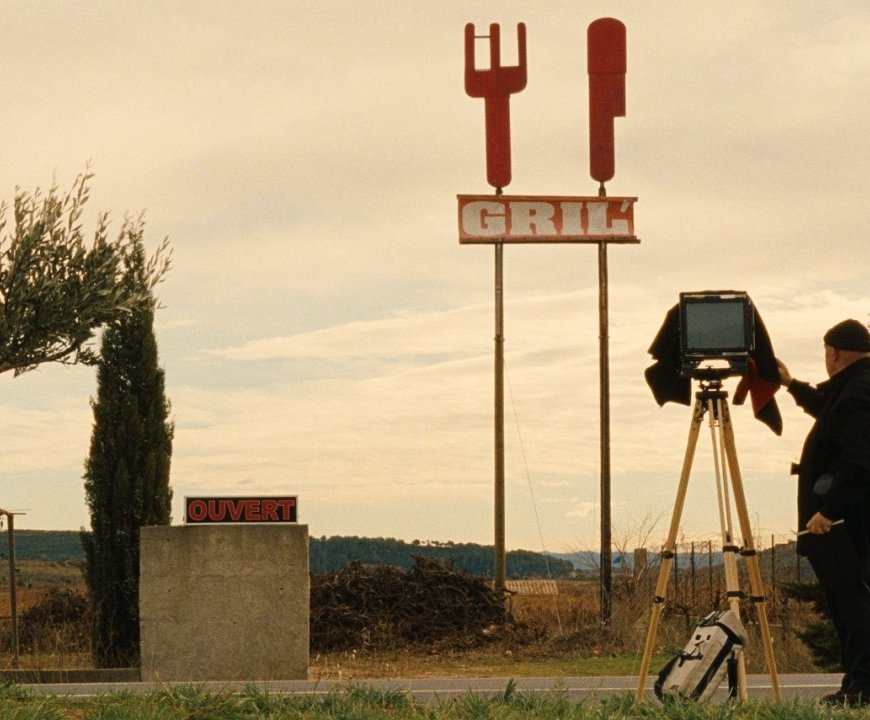
Journal De France – Raymond Depardon and Claudine Nougret.

There’s an unspoken relationship between a nation and its artists that rarely gets exposed during the artists’ lifetime.  While history can be conceived as a linear time-line of events, resulting from various scenarios of cause and effect, it is not until after the death of an artist that it becomes clear how their work can be seen as a reflection of various cultural milestones and … Continue reading Journal De France – Raymond Depardon and Claudine Nougret.

Eyes Wide Shut (1999) – Occult Sexuality

Strange undercurrents of sexuality pervade the films of Stanley Kubrick. Though not always present explicitly, the raw presence of dark desire and physical wanting seems scattered throughout his work. From Dr Strangelove‘s ideas of selective breeding based on the “sexual characteristics that will have to be of a highly stimulating nature” to The Shining‘s most surreal haunting of a man receiving oral sex from another … Continue reading Eyes Wide Shut (1999) – Occult Sexuality

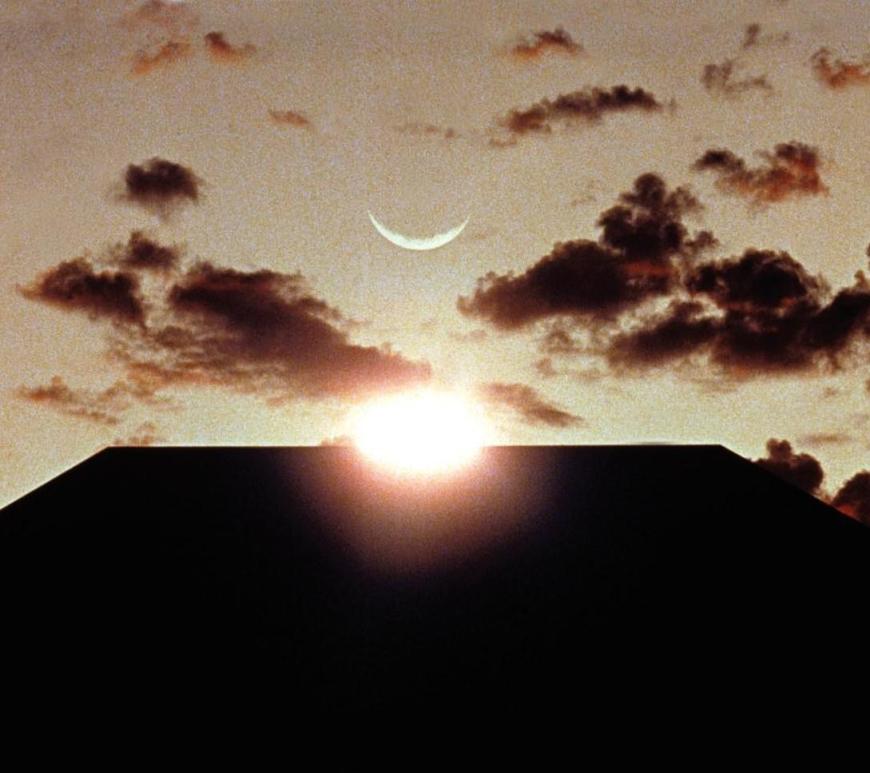
Nietzsche and 2001: A Space Odyssey (1968)

At this moment in time, I’m currently between two relatively heavy audio-visual essays.  The first (which is now finished and will be going online in segments from the end of the month) is about Andrei Tarkovsky’s film, The Sacrifice (1986) and how it has parallel aims with that of the Russian composer Scriabin and his unfinished work, Mysterium.  The second is looking at Stanley Kubrick’s … Continue reading Nietzsche and 2001: A Space Odyssey (1968)

Analysis of Sound and Music in Alfred Hitchcock’s Psycho (1960) – Part 2 (An Audiovisual Foreshadowing)

Part 1. Emphasis on Visual Cues in Scott Murphy’s “An Audiovisual Foreshadowing in Psycho“. “We can grasp in effect something which, already in nature, appropriates the gaze to the function to which it may be put in the symbolic relation in man.” – Jacques Lacan (1977, p.105). Scott Murphy’s “An Audiovisual Foreshadowing in Psycho” is already an interesting proposition in the context of its original … Continue reading Analysis of Sound and Music in Alfred Hitchcock’s Psycho (1960) – Part 2 (An Audiovisual Foreshadowing)

Tenebrae – Dario Argento (1982) – Arrow DVD SteelBook.

The excessive nature of the 1980s made it a perfect realm for an equally excessive horror cinema. While simplifying the decade to its trivial sound bites of bright, electronic yuppyism may be too all encompassing as a genuine historical analysis, this summation of criteria is perfect when discussing the decade’s cinema.  Cinema is so often the most uncomfortable reflective tool on society and yet this … Continue reading Tenebrae – Dario Argento (1982) – Arrow DVD SteelBook.

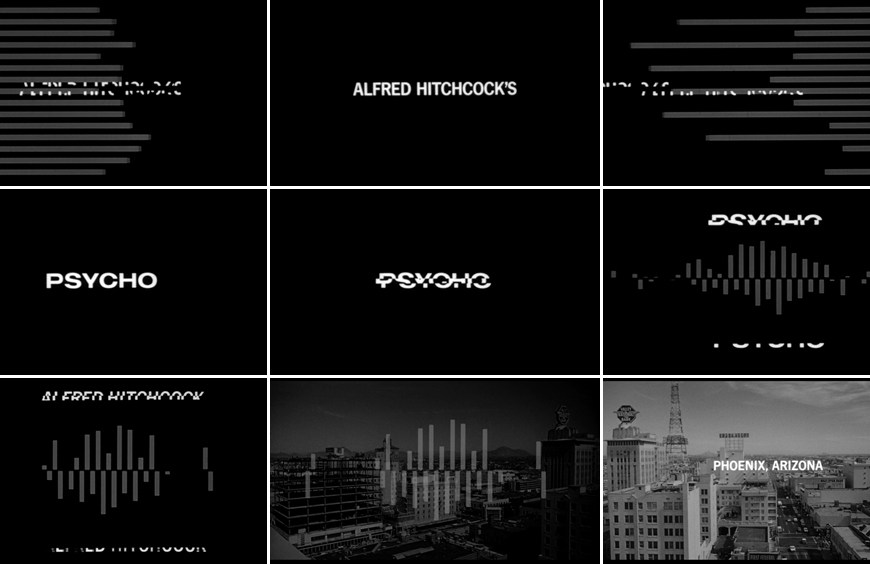
Analysis of Sound and Music in Alfred Hitchcock’s Psycho (1960) – Part 1

Sound and Music in Alfred Hitchcock’s Psycho and its Different Readings. Introduction. “If Psycho had been intended as a serious picture, it would have been shown as a clinical case with no mystery or suspense.  The material would have been used as the documentation of the case history.  We’ve already mentioned that total plausibility and authenticity merely add up to a documentary.” – Alfred Hitchcock … Continue reading Analysis of Sound and Music in Alfred Hitchcock’s Psycho (1960) – Part 1