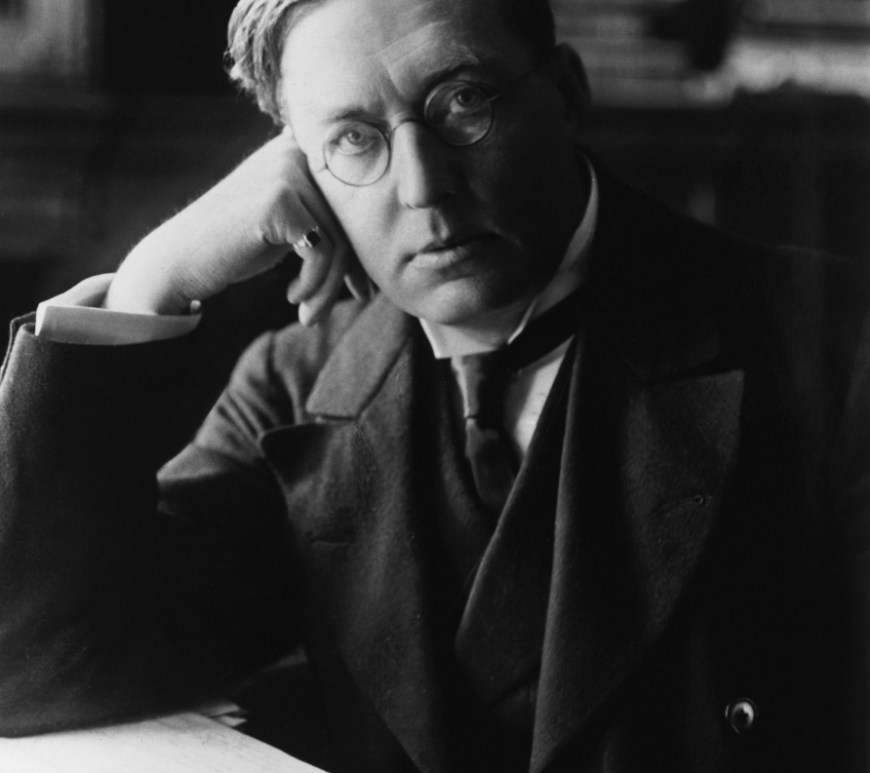
The Aural Aesthetics of Ghosts in BBC Ghost Stories – Part 1 (Introduction).

Manifesting The Supernatural: The Aural Aesthetics Of Ghosts In BBC Ghost Stories. Introduction. “When Monty first began to write them, with the intention of inducing a pleasing terror in his listeners, he did so as an avid and discerning reader and connoisseur of the genre, keenly aware of his precedents and of the characteristics, objectives, and limitations of the ghost story as he understood the … Continue reading The Aural Aesthetics of Ghosts in BBC Ghost Stories – Part 1 (Introduction).

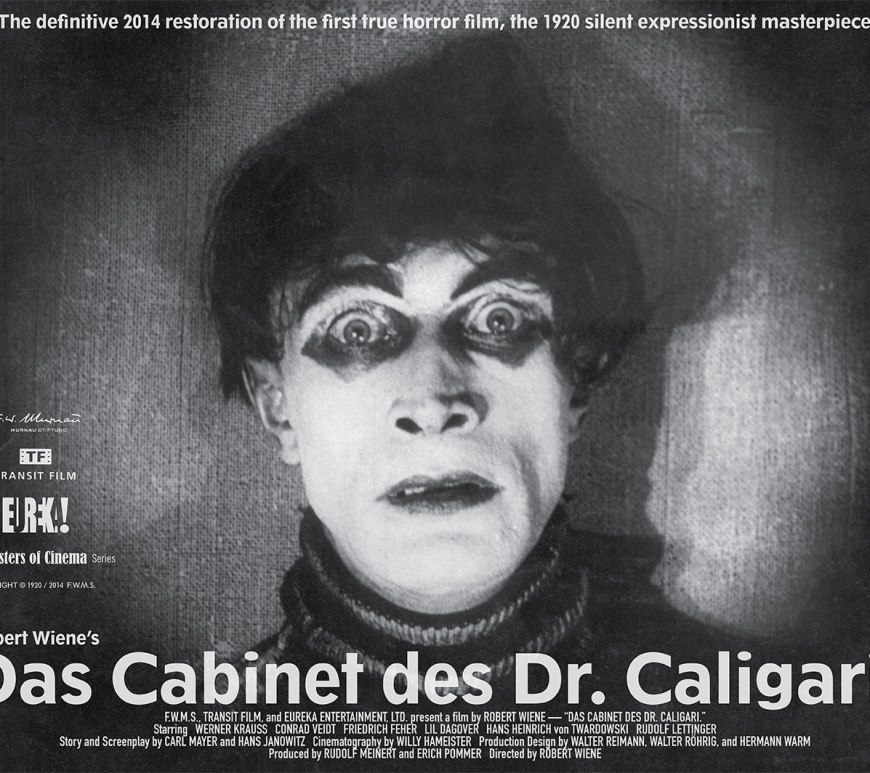
Das Cabinet Des Dr. Caligari (1920) – Masters of Cinema Restoration.

Shadows dance upon the walls of Robert Wiene’s Das Cabinet Des Dr. Caligari (1920).  The world of shadows and light, edges and angles, the slanted and the macabre, all seem so much more at home in silent cinema as a whole; images that negate sound have a very natural ghostliness to their nature.  This is doubly so for a film that nigh on invented horror … Continue reading Das Cabinet Des Dr. Caligari (1920) – Masters of Cinema Restoration.

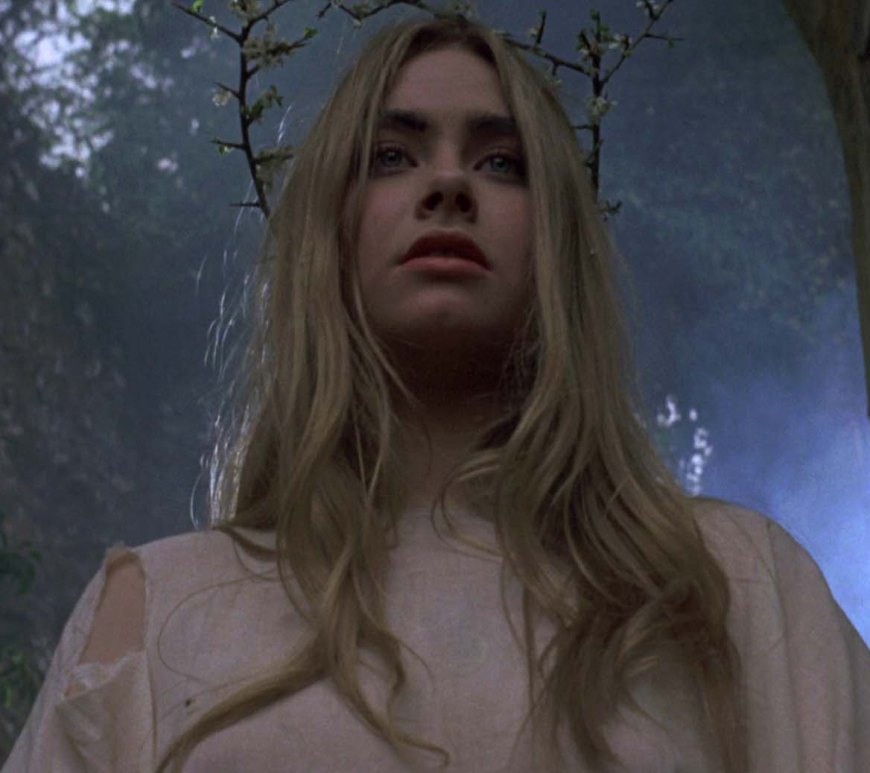
The Music of Folk Horror – Part 8 (Conclusions).

Part 1. Part 2. Part 3. Part 4. Part 5. Part 6. Part 7. Conclusions From the analysis of only a handful of British folk horror films, it has been shown that they rely heavily on their music in order to achieve their full cinematic effect.  Altman states the following when discussing genre theory: “Constantly opposing cultural values to counter-culture values, genre films regularly depend on … Continue reading The Music of Folk Horror – Part 8 (Conclusions).

The Unleashing of Repressed Eroticism in Black Narcissus (1947) and The Shining (1980).

The geographical make-up of a film’s scenario is often a subtle root-cause of its dramatic effect.  The sense of place, both its physical and psychological attributes, can be so overwhelming that whole narratives can follow the buckling of characters under pressure from this force; to the point where their own emotional identity and personal dynamics fluctuate, reflect, and occasionally attempt to rebel against an imposing … Continue reading The Unleashing of Repressed Eroticism in Black Narcissus (1947) and The Shining (1980).

The Uncanny in Häxan: Witchcraft Through The Ages (1922)- Benjamin Christensen.

In one of the first attempts I made at canonising the sub-genre of Folk Horror, I likened the majority of its films to be brilliant but mere fugues on the ideas presented in Benjamin Christensen’s Häxan: Witchcraft Through The Ages (1922).  Outside of Victor Sjöström’s The Phantom Carriage (1921), it was the earliest and most explicit form of the sub-genre that seemed to be surviving … Continue reading The Uncanny in Häxan: Witchcraft Through The Ages (1922)- Benjamin Christensen.

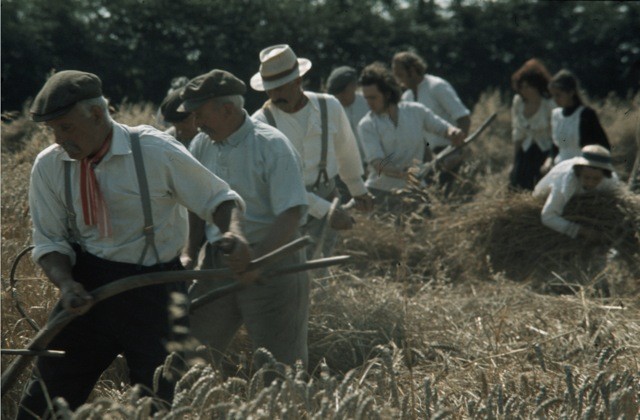
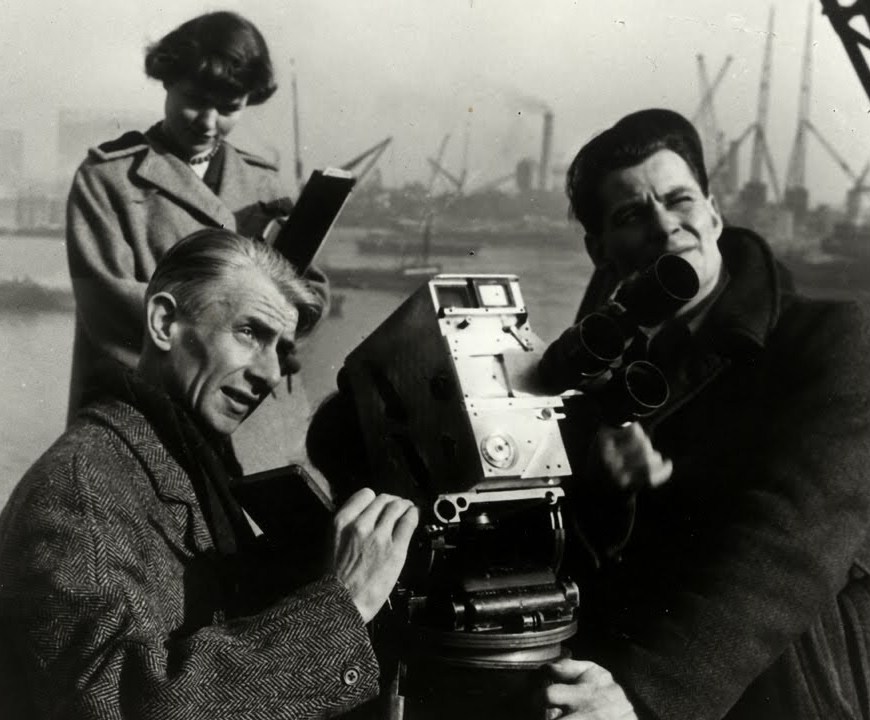
Great British Documentaries

“In documentary we deal with the actual, and in one sense with the real. But the really real, if I may use that phrase, is something deeper than that. The only reality which counts in the end is the interpretation which is profound.” – John Grierson. With Sight & Sound’s recent poll for best documentaries (September 2014), I wanted to explore some of the British … Continue reading Great British Documentaries

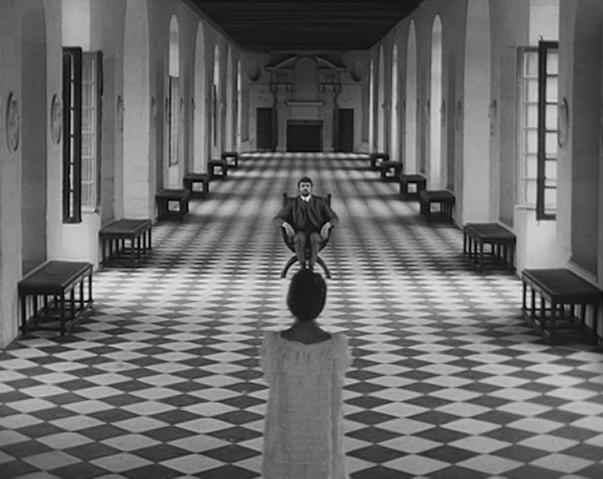
A Musicological Study of Ken Russell’s Composer Films – Part 3 (The Debussy Film).

Part 1. Part 2. The Dramatisation of History in The Debussy Film (1965). For a film relatively early on in Russell’s portrayals of classical composers, The Debussy Film is surprisingly knowing about the director’s position as story-teller in the relaying of history to the viewer.  The history of the French “impressionist” composer, Claude Debussy, is one of the more dramatic that Russell chooses to recreate … Continue reading A Musicological Study of Ken Russell’s Composer Films – Part 3 (The Debussy Film).

The Music of Folk Horror – Part 7 (Musical Anachronisms).

Part 1. Part 2. Part 3. Part 4. Part 5. Part 6. Musical Anachronisms – Naturally and Overtly. “Let’s just say there aren’t many films set in the reign of William and Mary in which the devil rebuilds his body by harvesting the skin of children…” (Gatiss, 2010, BBC). To address the presence of musical anachronisms in films of all types is a tricky subject … Continue reading The Music of Folk Horror – Part 7 (Musical Anachronisms).

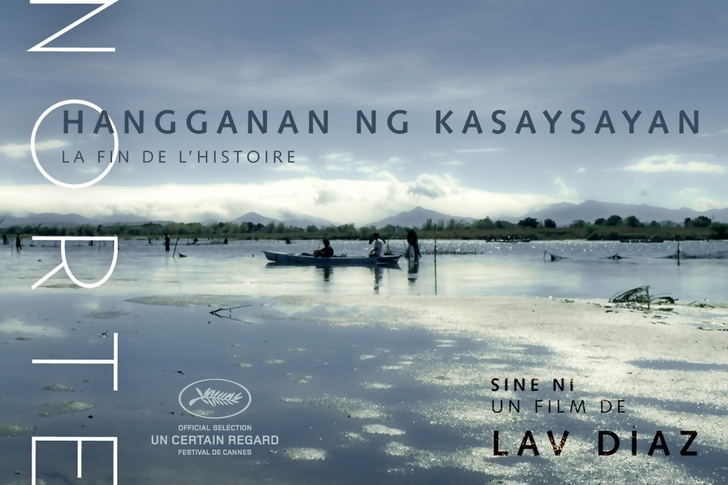
Norte, The End Of History – Lav Diaz (2013).

This review contains plot details. Dostoevsky is a brutal writer, wringing moral development out of human suffering and calamity perhaps like no other.  When approaching his film adaptations, there is a gulf between the filmmakers that get clogged down with obsessive period details (a problem that plagues adaptations of that other great humanistic Russian, Tolstoy) and the filmmakers that understand that it is the emotional … Continue reading Norte, The End Of History – Lav Diaz (2013).

Deception and False Uptopia in the Films of Yorgos Lanthimos (Dogtooth, Alps).

“Above all, don’t lie to yourself. The man who lies to himself and listens to his own lie comes to a point that he cannot distinguish the truth within him, or around him, and so loses all respect for himself and for others. And having no respect he ceases to love.”  Dostoevsky in The Brothers Karamazov. The above quote from Dostoevsky’s masterful work, The Brothers … Continue reading Deception and False Uptopia in the Films of Yorgos Lanthimos (Dogtooth, Alps).