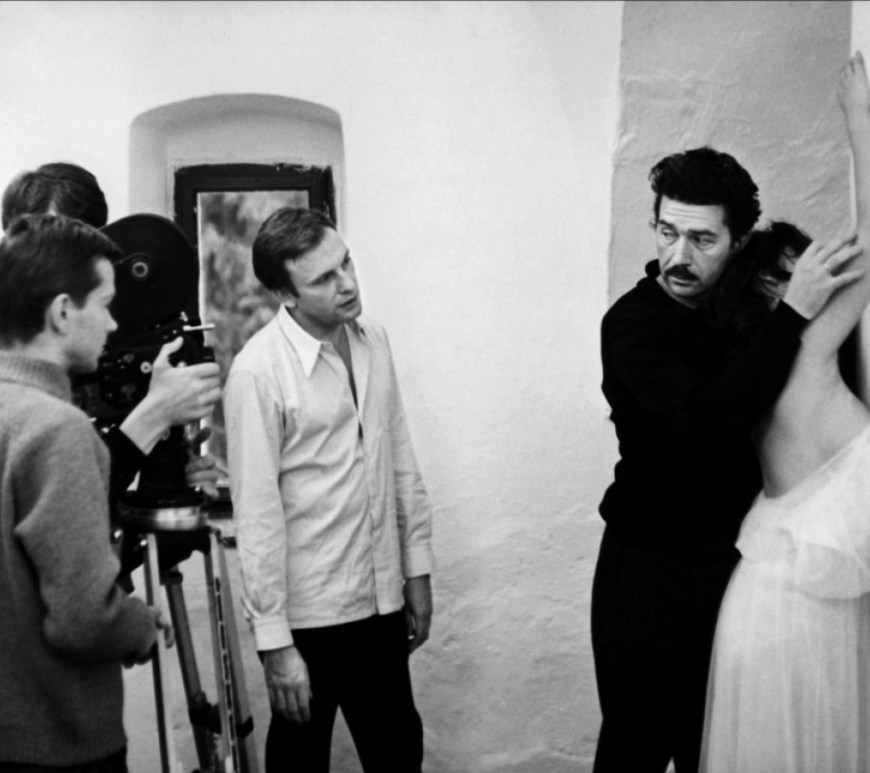
Alain Robbe- Grillet: Six Films, 1963-1974 (BFI).

This review contains minor plot details. When a body of work is inherently made up of intricately layered themes and hidden caches of ideas, surmising the work as a whole can be extremely difficult.  This is never more prescient than in the BFI’s release of six films by French film writer and director, Alain Robbe-Grillet; a seemingly missing link in French cinema of the 1960s … Continue reading Alain Robbe- Grillet: Six Films, 1963-1974 (BFI).

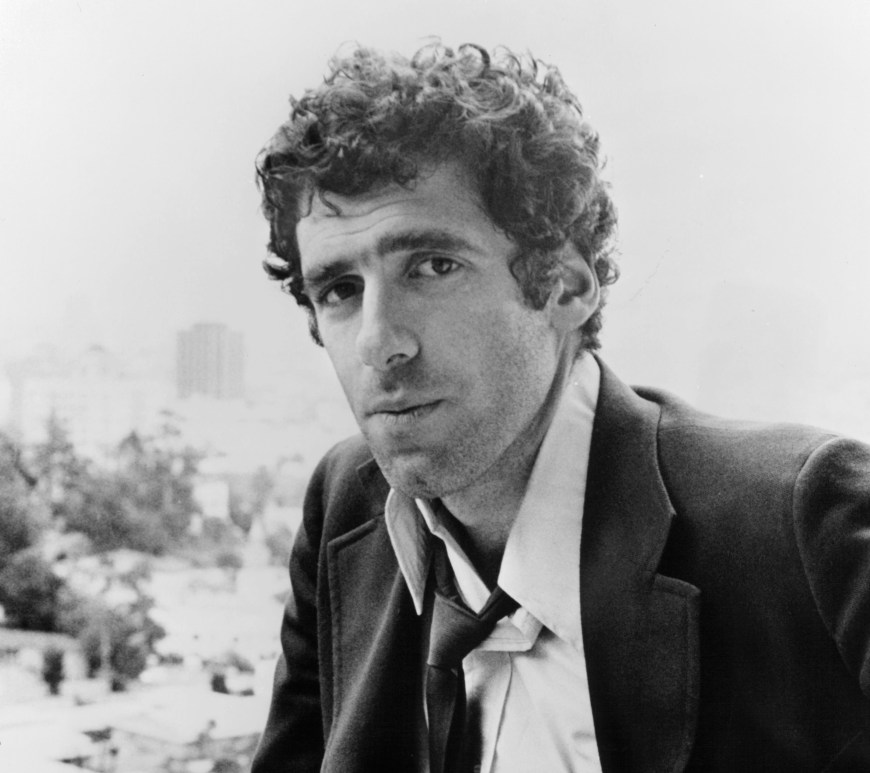
The Long Goodbye (1973, Robert Altman) – A Musical Critique of Film-Noir.

Out of all of the modern interpretations of film-noir produced in the 1970s, The Long Goodbye (1973) is by far the most aesthetically interesting.  This isn’t only because of its integration with counter-culture ideas and values, but with its continuous critical assessment of genre tropes.  This critique, which extends to the literature and music as well as the films of the hindsight-based movement, is considered … Continue reading The Long Goodbye (1973, Robert Altman) – A Musical Critique of Film-Noir.

Eraserhead (1977) – Sickly Soundscapes (David Lynch).

For a film as heavily symbolic as David Lynch’s Eraserhead (1977), readings of its aesthetic aspects are often commonplace within the cinematic discourse of the film.  Lynch has often made explicit use of the medium’s inherent dream-state as a tool to question the viewer on various topics, often finding visual expression through symbolic and highly personal direction.  Though Eraserhead was his first feature film, his … Continue reading Eraserhead (1977) – Sickly Soundscapes (David Lynch).

The Quiet City

Chantal Akerman’s News from Home (1976-77) is a visual diary reflecting on a very personal history. A feature length film of sorts, it seems born out of cathartic necessity rather than simply creative ambition. Akerman had been working throughout the 1970s, and News from Home was made after her critical appreciation had more grown in stature, largely thanks to the impossible-to-ignore vigour of her four hour 1975 feature, Jeanne Dielman, … Continue reading The Quiet City

Mozart in Le Bonheur (1965) – Agnès Varda.

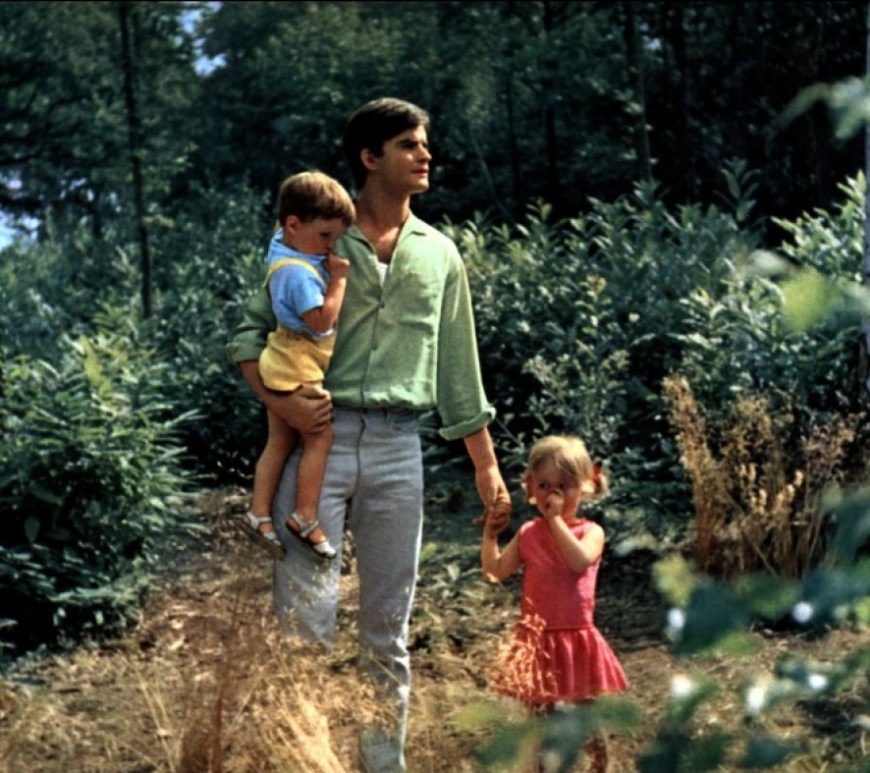
It must have come as a political shock to see a film in 1965 highlight, with such casual brutality, the privilege of the male patriarch.  Agnès Varda’s third feature, Le Bonheur, is such a contradiction in its conveyance of a happiness, ignorant of morality, that its shock is rarely diminished.  The film is a colourful, seasonal evocation of a very unusual ménage à trios which … Continue reading Mozart in Le Bonheur (1965) – Agnès Varda.

The Female Voice in Subversive Soundtracks of the Counter-Culture Era.

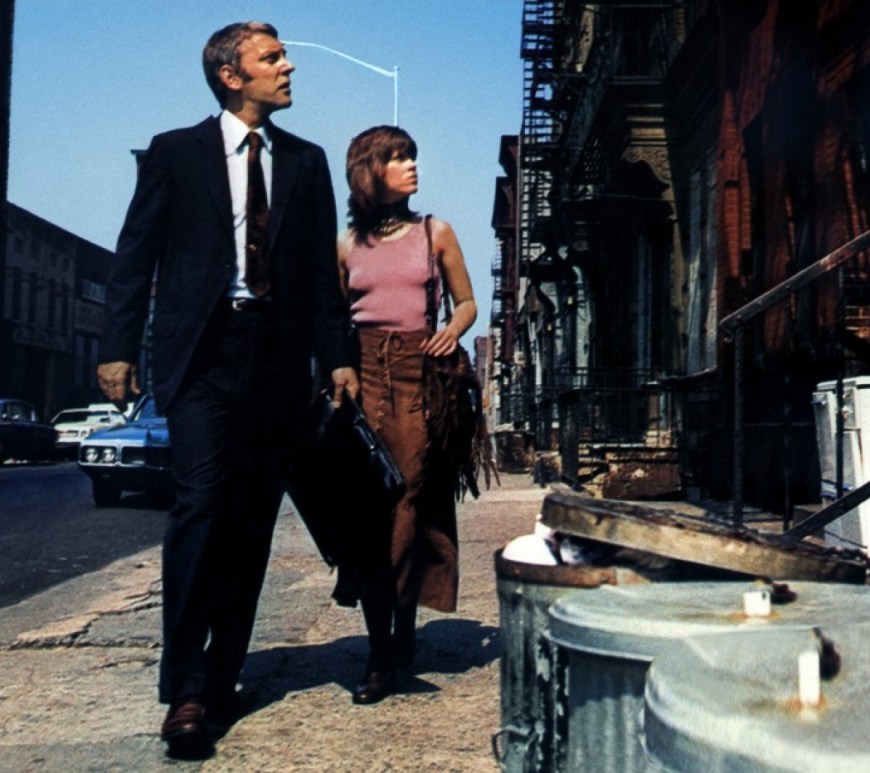
The Female Voice in Subversive Soundtracks of the Counter-Culture Era. After a recent viewing of Alan J. Pakula’s crime thriller, Klute (1971), something occurred at the back of my mind that connected the film with a number of others.  At first, I struggled with my memory as to what exactly it was about the film that was bringing other films of the era to mind; … Continue reading The Female Voice in Subversive Soundtracks of the Counter-Culture Era.

Sounds of the City – Defining the Metropolis in Alfred Hitchcock’s Rear Window (1954).

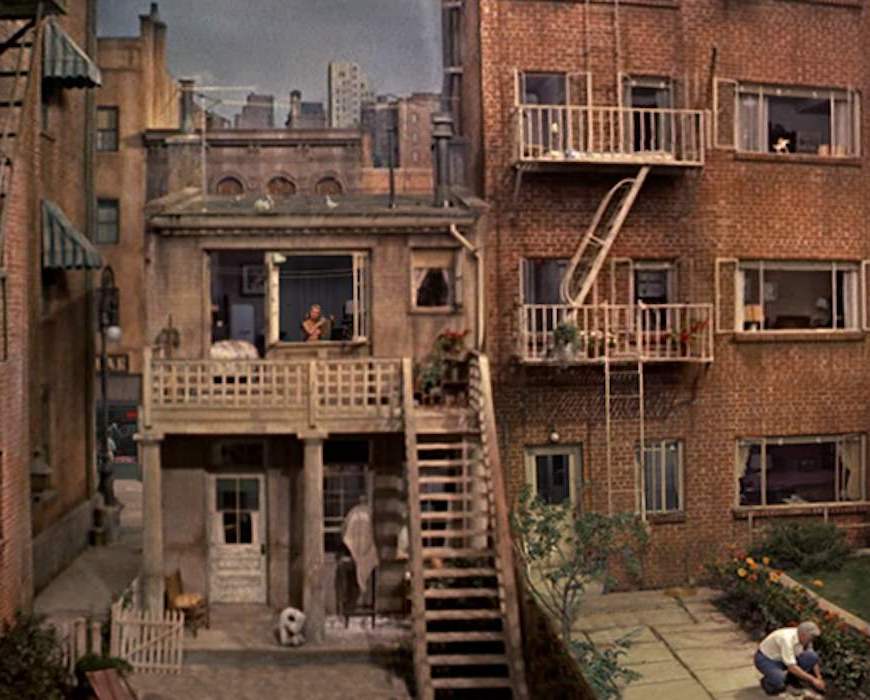
In spite of being set in the most cramped of city-based fictional areas, Alfred Hitchcock’s Rear Window (1954) successfully presents the bustling aesthetics of a whole metropolis while managing to retain an almost claustrophobic isolation.  In the film, Hitchcock presents a temporarily wheelchair-bound photographer who becomes obsessed with a neighbour. He suspects the unusual man to have murdered his wife.  Rear Window presents a number … Continue reading Sounds of the City – Defining the Metropolis in Alfred Hitchcock’s Rear Window (1954).

Point Blank (John Boorman, 1967) – Rhythmic Footsteps and Diegetic Power.

What is the best way for a film to show the power of a character?  Is it to retain the power within the narrative world and show it be all encompassing, or is it better to show it to have control over specific qualities of the medium itself?  One of the best examples of this debate to be realised in cinematic aesthetics is in John … Continue reading Point Blank (John Boorman, 1967) – Rhythmic Footsteps and Diegetic Power.

Short Film – Artefacts (Super 8 film).

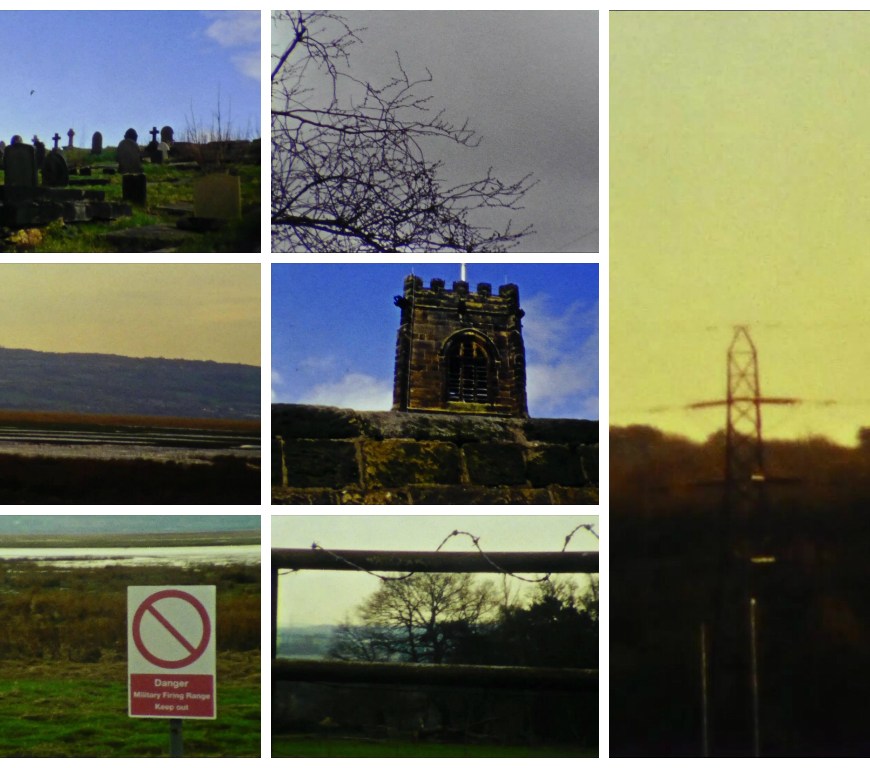
Synopsis.  Artefacts (2014) is a short video piece shot on super 8 film.  It captures the rural vistas around The Wirral which show hints of civilisation but fail to show the true presence of humanity.  These rural areas are littered with man-made objects but the natural wilderness has won through, creating a sense of the uncanny and eerie in places almost haunted by their emptiness … Continue reading Short Film – Artefacts (Super 8 film).

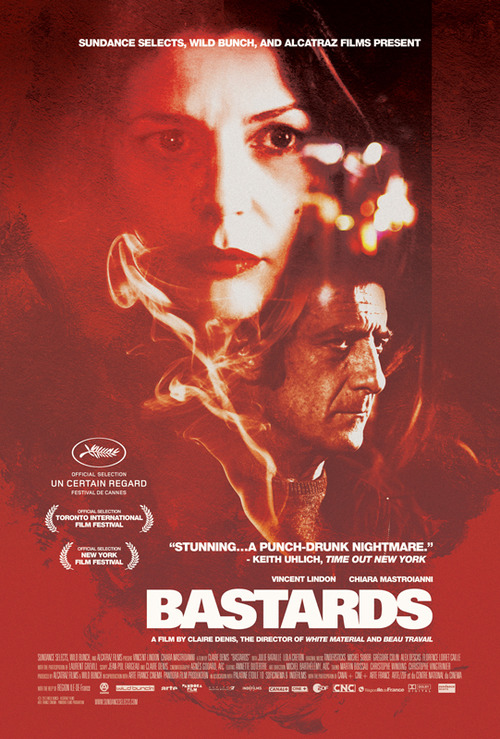
Bastards (Claire Denis, 2014) – Oily Depths and Blank Walls.

Terrible things can happen in environments that allow people to step-back from consequences; this is the first step in most types of crime and film noir pictures.  But to simply place Claire Denis’ latest film, Bastards (2014), into one of these categories just for the ease of categorisation does it little justice.  Denis’ film has more to its narrative than its surface layer shadow but … Continue reading Bastards (Claire Denis, 2014) – Oily Depths and Blank Walls.