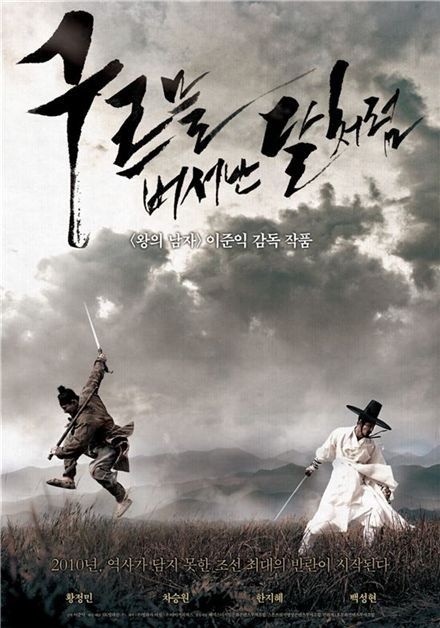
South Korean Film Scores and Ease of Distribution – Part 5 (Blades of Blood and Conclusions)

Part 1 Part 2 Part 3 Part 4 Blades of Blood (2010) – Joon-Ik Lee Joon-ik Lee’s 2010 film Blades of Blood shares a number of similarities with both the previously mentioned examples. The film is a modern, violent period picture based on a graphic novel. It is stylistically similar to Oldboy, especially within its colour palate though rarely recreates the standard set by Park. … Continue reading South Korean Film Scores and Ease of Distribution – Part 5 (Blades of Blood and Conclusions)

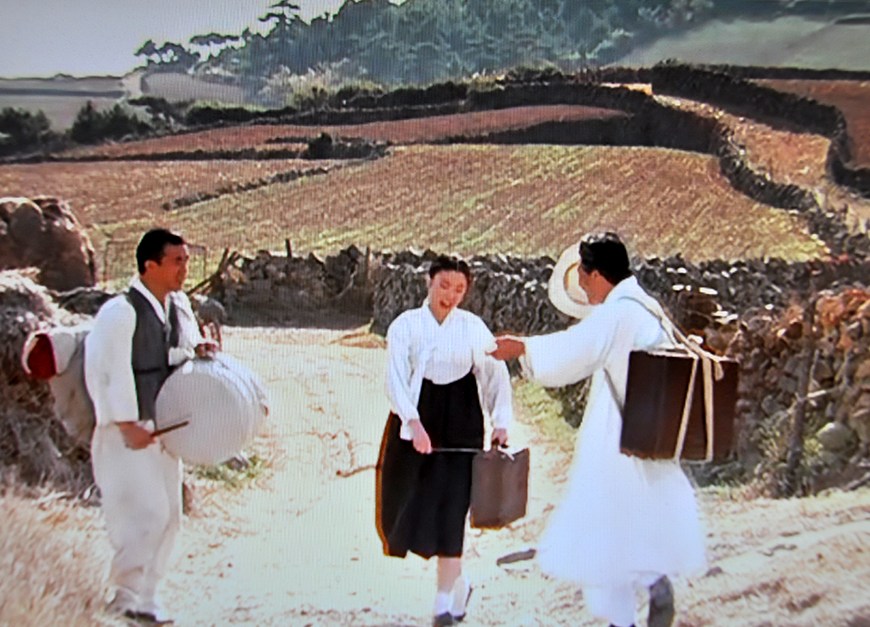
South Korean Film Scores and Ease of Distribution – Part 2 (Im Kwon-Taek and Seopyeonje).

Part 1. Im Kwon-Taek – Reluctant Traditionalist or Radical Experimenter? “Despite its ideological shortcomings and male-centred stance, Im’s cinematic sublimation of ‘Korean-ness’ still focuses on the contradictions between tradition and modernity among precarious lives existing on the periphery of a capitalist society.” (Lee, 2005, p.69) It is somewhat difficult to gage the cultural impact of a director’s films on a country outside of your own.  … Continue reading South Korean Film Scores and Ease of Distribution – Part 2 (Im Kwon-Taek and Seopyeonje).

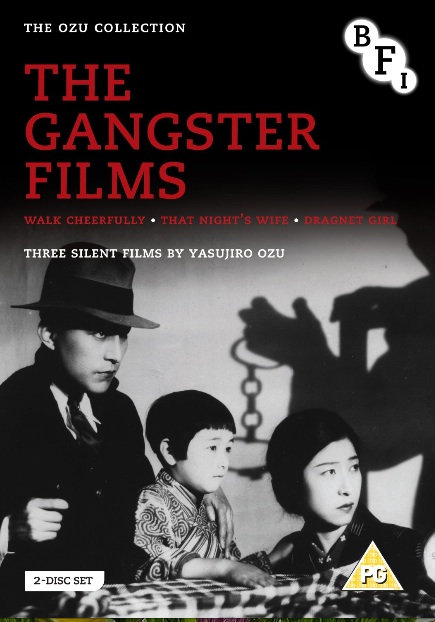
Yasujiro Ozu Collection – The Gangster Films (BFI)

The BFI have done wonders over the last few years in highlighting and promoting the work of Yasujirô Ozu to potential new viewers in the UK.  Their Ozu collection is gradually filling in the many gaps within his work available in Region 2 and he is now perhaps the most represented Japanese director in the Region 2 DVD market outside of Akira Kurosawa.  Ozu’s work … Continue reading Yasujiro Ozu Collection – The Gangster Films (BFI)

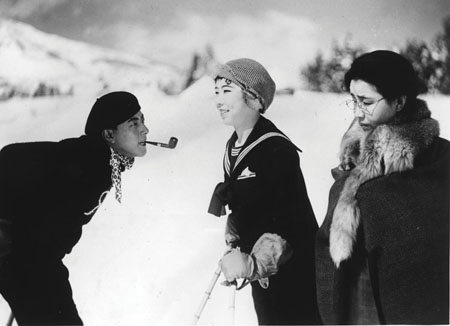
The Persistence of Modernity in Japanese Film Scores – Part 1 (Ozu, Tradition and Silent Film)

The Persistence of Modernity in Japanese Film Scores. Introduction The scores and music produced for Japanese cinema highlight a constant change of values within the country; a relationship rarely mirrored so accurately in the cinema of anywhere else.  Whereas the film scores of other countries can be looked at as a product of the trends and studio directions, the evolution and changes found within the … Continue reading The Persistence of Modernity in Japanese Film Scores – Part 1 (Ozu, Tradition and Silent Film)