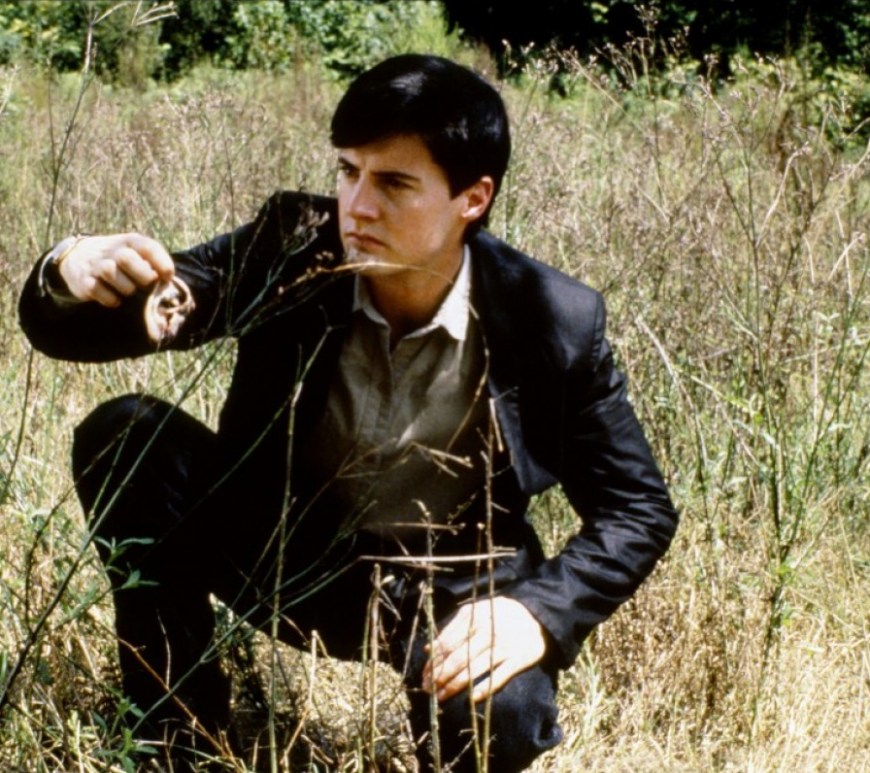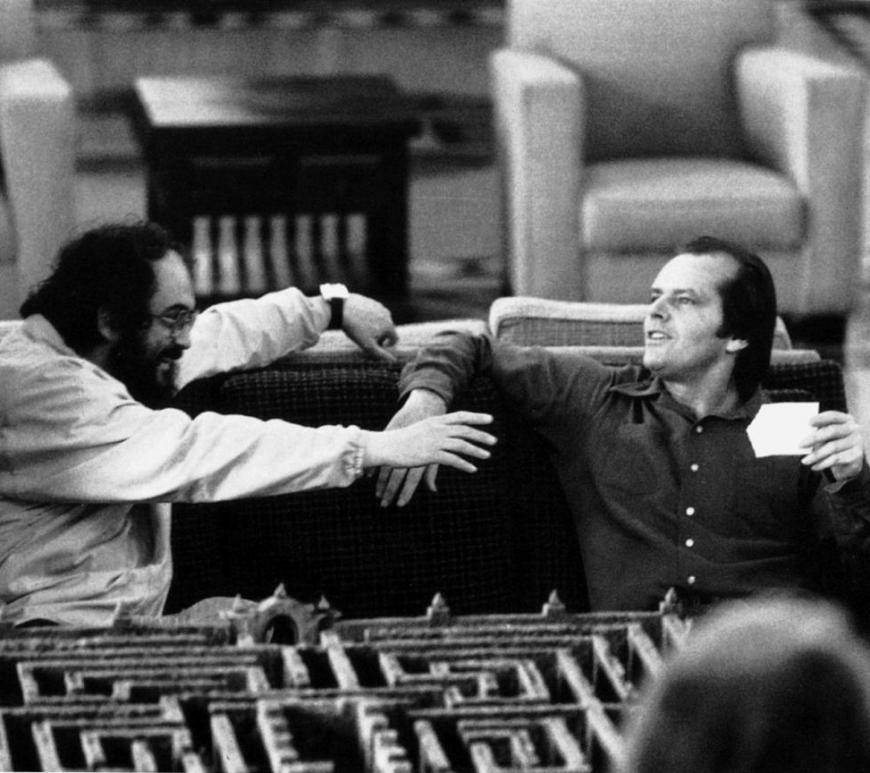
The Shining – Legacy of Balance In Horror Film Scores.

While writing about a perceived pivoting moment in horror film scores for a research essay last year, I briefly mentioned towards the end of what I termed “a legacy of balance” within horror film music and film scores.  With the word limitations on that essay meaning that the point was only vaguely surmised with a handful of explanations, I wanted to go further into what … Continue reading The Shining – Legacy of Balance In Horror Film Scores.

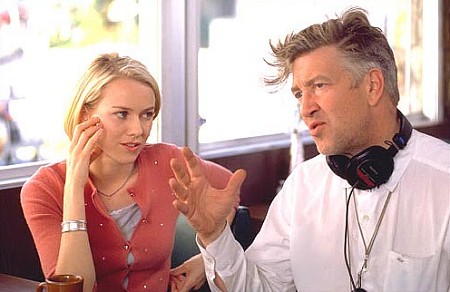
David Lynch’s Avant-Garde Uses Of Music – Part 3 (Influence).

Part 1. Part 2. Mulholland Drive In Context of Other Subversive Mainstream Films (Eyes Wide Shut). “For the duration of his career, and despite the size of his productions and the fact that they were all studio funded, Kubrick was very much an independent filmmaker.” – Horsley (2005, p.54) Lynch isn’t the only director to take Hollywood visuals and use them for his own artistic ends.  A … Continue reading David Lynch’s Avant-Garde Uses Of Music – Part 3 (Influence).

Film Scores and the Social Construction of Emotions (Lynch and Kubrick) – Part 2

Playing against our expectations and how music can twist our emotional construction and beliefs on scenarios of reality for its own ends.  “Music is a “mirror” that allows one to “see one’s self”” – Slobada and O’Neill quoting DeNora (1999 p51). I mentioned early about the dark to side to my argument but also how it backs up my initial ideas more effectively then the … Continue reading Film Scores and the Social Construction of Emotions (Lynch and Kubrick) – Part 2