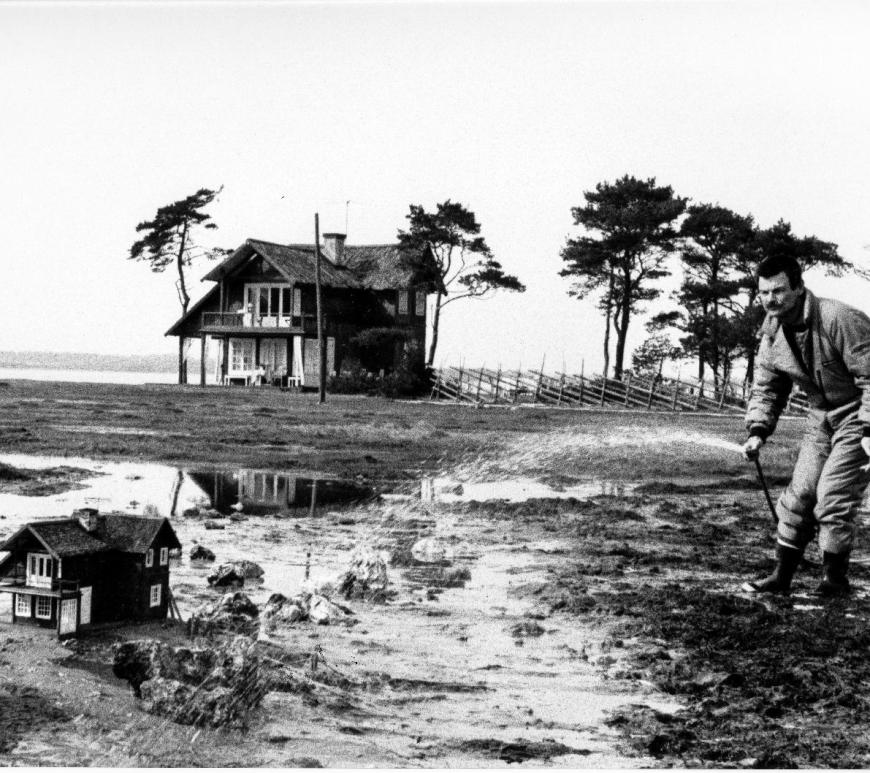
Elemental Chaos and Eternal Return in Scriabin and Andrei Tarkovsky – Part 5 (ANS Synthesiser + Conclusions).

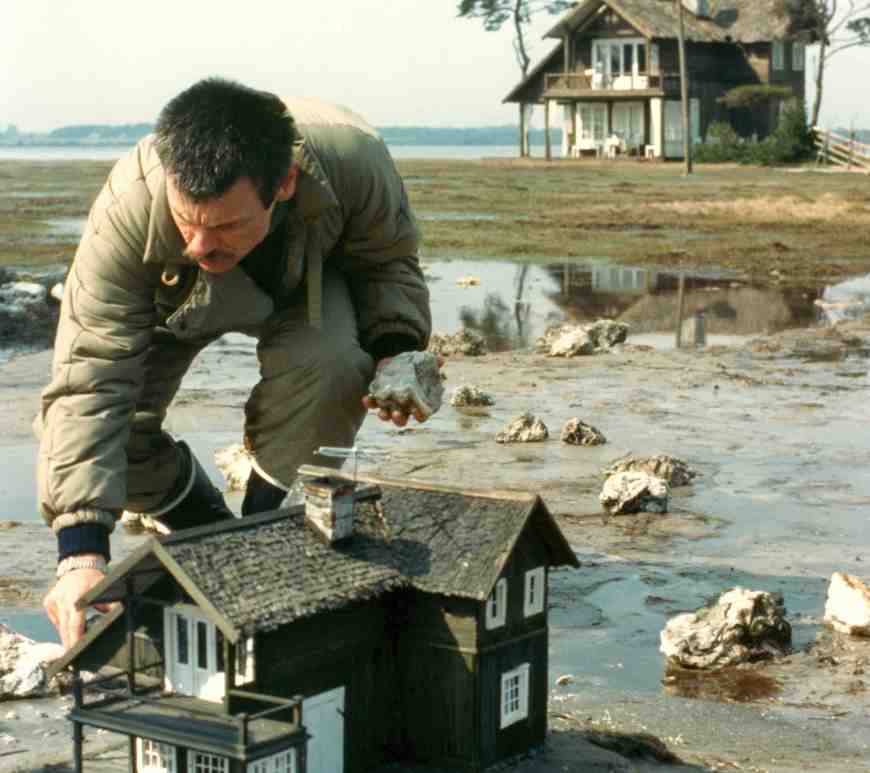
Part 1. Part 2. Part 3.  Part 4. The ANS Synthesiser and the Final Parallel. “Has man any hope of survival in the face of all the patent signs of impending apocalyptic silence?” Tarkovsky (1987, p.229) Scriabin and Tarkovsky have a final meeting place outside of the philosophical.  This meeting, on the one hand, seems almost to be coincidental but further inspection suggests that it is … Continue reading Elemental Chaos and Eternal Return in Scriabin and Andrei Tarkovsky – Part 5 (ANS Synthesiser + Conclusions).
Elemental Chaos and Eternal Return in Scriabin and Andrei Tarkovsky – Part 2 (Chaos)

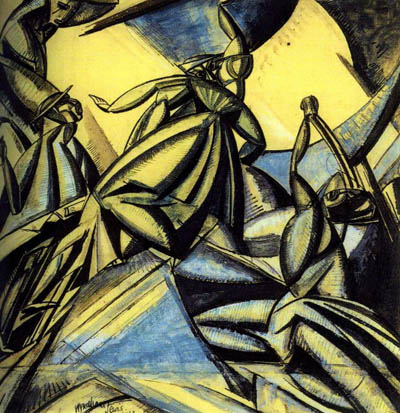
Part 1. Elemental Chaos. “The Mountains, Fields, Meadows, Forest, and Wilderness of the Preparatory Act text symbolize the mineral kingdom and natural kingdoms of the Earth, the first three “Rounds” of the Wheel of Cosmic life.” (1998, p.303) – Stephen Morris. It is not revolutions and upheavals That clear the road to new and better days, But revelations, lavishness and torments Of someone’s soul, inspired … Continue reading Elemental Chaos and Eternal Return in Scriabin and Andrei Tarkovsky – Part 2 (Chaos)

Eroticism in the Music of Béla Bartók – Part 5 (Post-Modern Pulp).

Part 1. Part 2. Part 3. Part 4. Though of course subjective, the natural Kierkegaardian immediacy of the music is instantly on show.  Several sections of brooding along these themes can be read almost as seductions, with the build-ups working easily as well as the seduction segments from The Miraculous Mandarin.  The pairs of strings that seem to roll over each other as they begin … Continue reading Eroticism in the Music of Béla Bartók – Part 5 (Post-Modern Pulp).

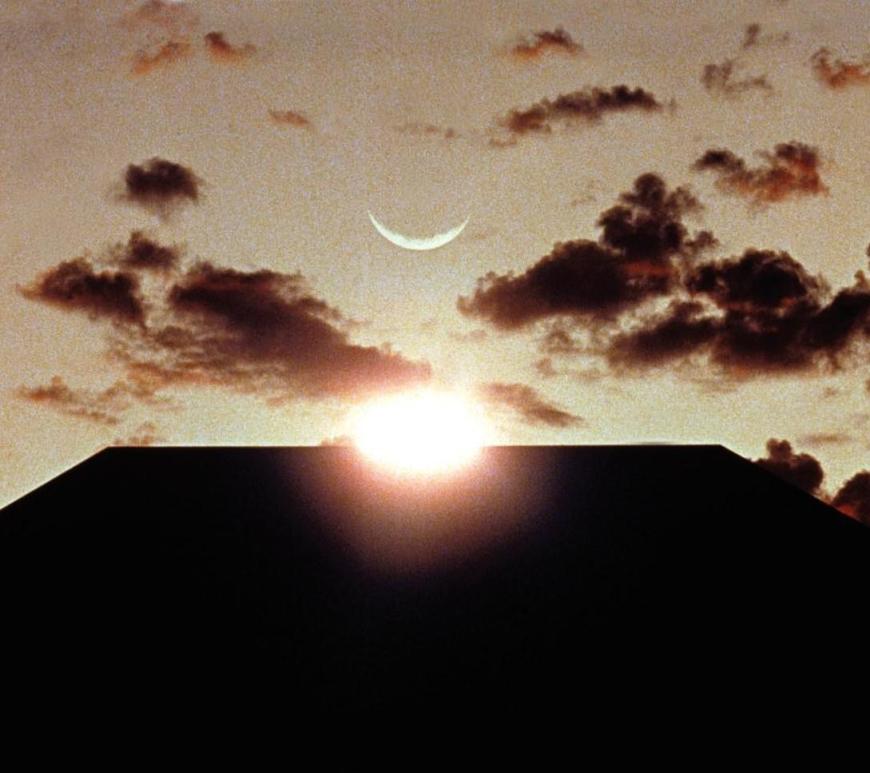
Nietzsche and 2001: A Space Odyssey (1968)

At this moment in time, I’m currently between two relatively heavy audio-visual essays.  The first (which is now finished and will be going online in segments from the end of the month) is about Andrei Tarkovsky’s film, The Sacrifice (1986) and how it has parallel aims with that of the Russian composer Scriabin and his unfinished work, Mysterium.  The second is looking at Stanley Kubrick’s … Continue reading Nietzsche and 2001: A Space Odyssey (1968)