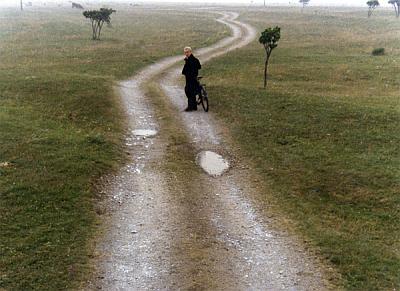
Elemental Chaos and Eternal Return in Scriabin and Andrei Tarkovsky – Part 4 (Zarathustra).

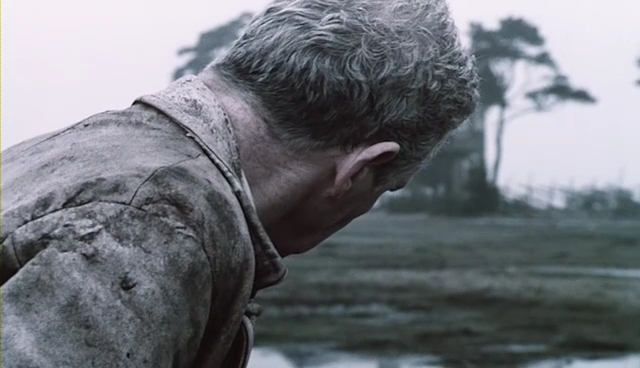
Part 1. Part 2. Part 3. The Eternal Return and Zarathustra’s Gift. “-and must we not return down that other lane out before us, down that long, terrible lane – must we not return eternally?” – Nietzsche (1883/1986, p.241). The final section of this argument refers back to Nietzsche and his writing on the Eternal Return.  His work on the subject, both philosophically in The … Continue reading Elemental Chaos and Eternal Return in Scriabin and Andrei Tarkovsky – Part 4 (Zarathustra).

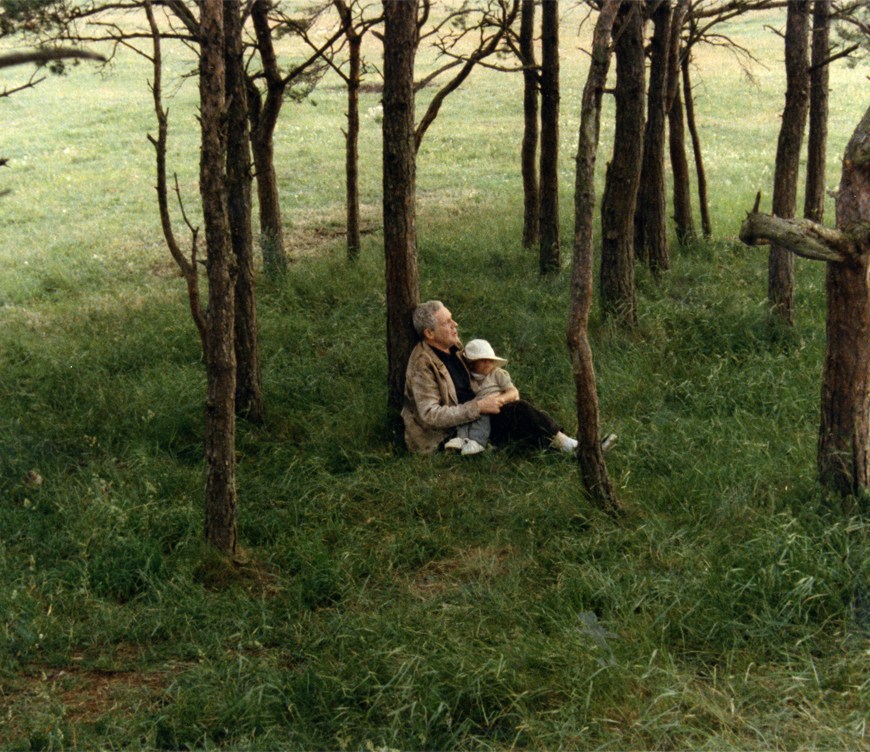
Elemental Chaos and Eternal Return in Scriabin and Andrei Tarkovsky – Part 3 (Natural and Cyclic Rejuvenation)

Part 1. Part 2. Natural Forces and Cyclic Rejuvenation. “Critical neglect of this reference to Nietzsche is even more puzzling, however, when one considers that Nietzsche’s doctrine of the Eternal Return is a philosophical re-interpretation of the theme of Time for Time was, after all, a major obsession with Tarkovsky. As is well known, Tarkovsky’s preferred way of characterizing the art of filmmaking was as … Continue reading Elemental Chaos and Eternal Return in Scriabin and Andrei Tarkovsky – Part 3 (Natural and Cyclic Rejuvenation)

Eroticism in the Music of Béla Bartók – Part 6 (Kubrick and Conclusions).

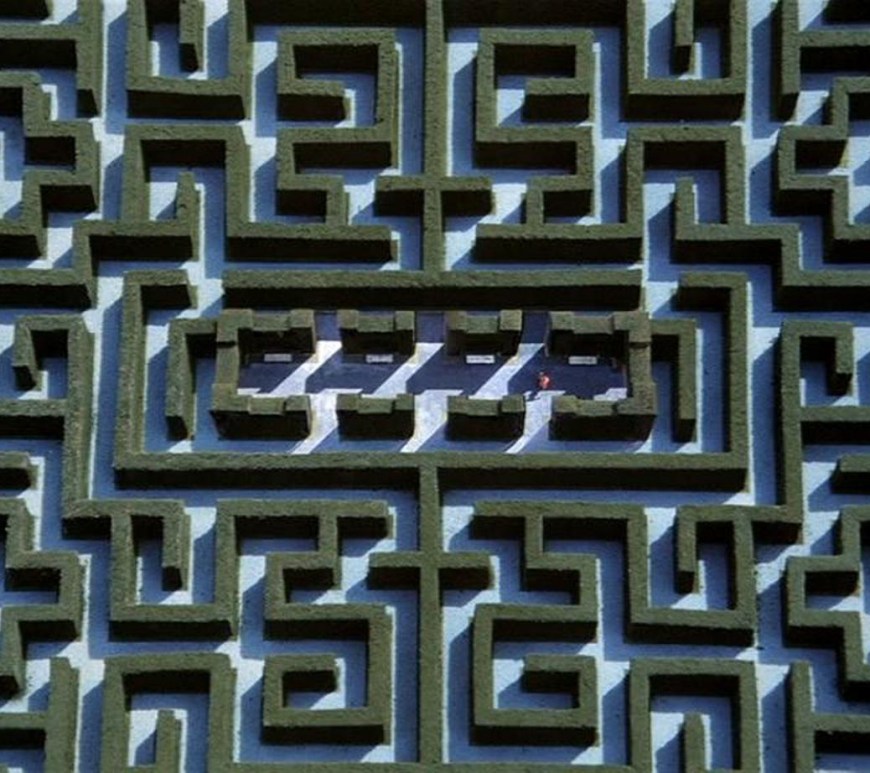
Part 1. Part 2. Part 3. Part 4. Part 5. Music for Strings, Percussion and Celesta in Stanley Kubrick’s The Shining (1980). Though not as fuelled by repression and eroticism as The Miraculous Mandarin, Music for Strings, Percussion and Celesta also made the slight transition from eroticism to horror.  With its use on Doctor Who, the very basic groundwork for the piece was laid for … Continue reading Eroticism in the Music of Béla Bartók – Part 6 (Kubrick and Conclusions).

Elemental Chaos and Eternal Return in Scriabin and Andrei Tarkovsky – Part 1 (Introduction)

Elemental Chaos and Nietzsche’s Eternal Return in the Music of Alexander Scriabin and the Films of Andrei Tarkovsky. Introduction “It is as natural to die as to be born; and to a little infant, perhaps, the one is as painful as the other.” (1625/2002, p.344) – Francis Bacon. The cyclic nature of life and the process of destruction and rejuvenation has been a subject of … Continue reading Elemental Chaos and Eternal Return in Scriabin and Andrei Tarkovsky – Part 1 (Introduction)

Eroticism in the Music of Béla Bartók – Part 4 (Kierkegaard’s Immediacy)

Part 1. Part 2. Part 3. Kierkegaard’s Erotic Immediacy and the Atonal Manifestation of Complex Erotic Identity in Music for Strings, Percussion and Celesta. “Sensuous immediacy has its absolute medium in music, and this also explains why music in the ancient world did not become properly developed but is linked to the Christian world.” – Kierkegaard (1843, p.71). Unlike the other pieces of music by … Continue reading Eroticism in the Music of Béla Bartók – Part 4 (Kierkegaard’s Immediacy)

Eroticism In The Music Of Béla Bartók – Part 1 (Introduction).

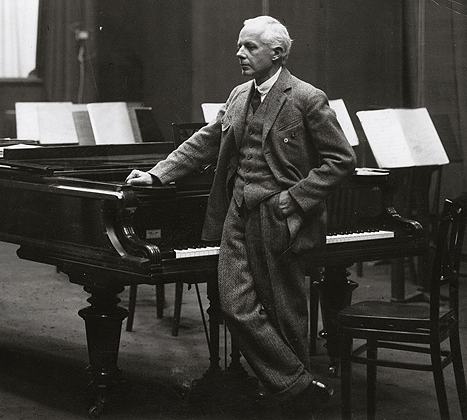
The Insertion and Removal Through Post-Wagnerian Ideals and New Media of Eroticism in the Music of Béla Bartók. Introduction. The music of Béla Bartók sits with some uncertainty between the last dying cries of Romanticism and the encroaching presence of Modernism.  With this clash of ideals producing the composer’s early work, Bartók’s music appears to have no choice but to address another line of interest … Continue reading Eroticism In The Music Of Béla Bartók – Part 1 (Introduction).

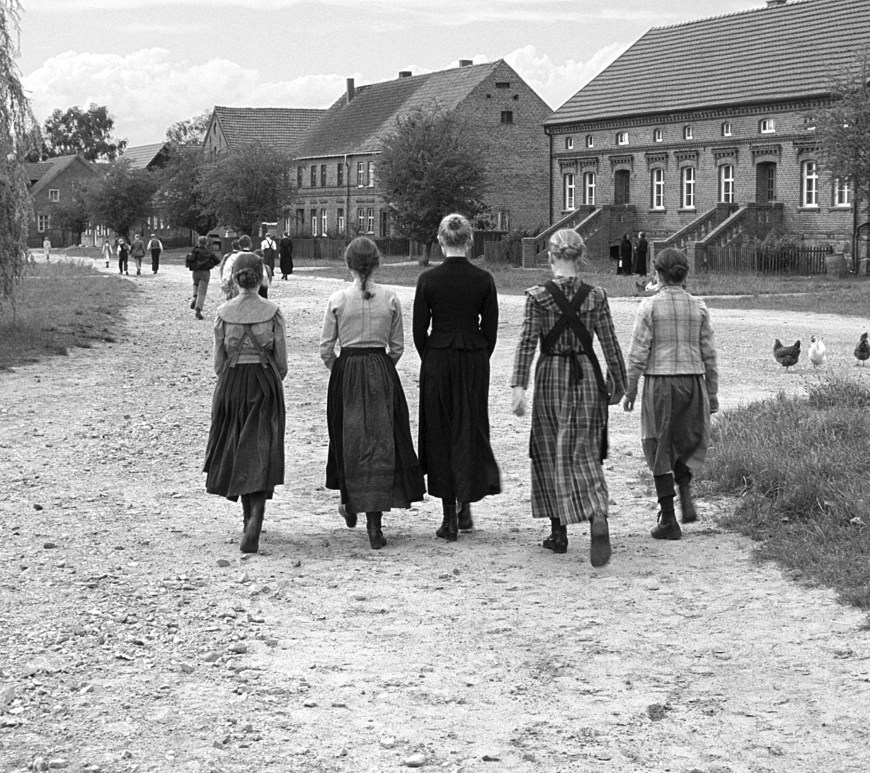
Collapsing Belief Systems and The Nietzschean Death – (Winter Light, The White Ribbon, The Turin Horse).

One of Friedrich Nietzsche’s more famous and strangely popular idioms is his “Death of God” theory presented through the madman in his 1883 work The Gay Science.  Though it has been used for all sorts of philosophical and theological purpose, often twisting it to fit whatever schematics the debater wants to shape it into, the idea itself can apply to several pieces of cinema, all … Continue reading Collapsing Belief Systems and The Nietzschean Death – (Winter Light, The White Ribbon, The Turin Horse).