The Kaleidoscopic Past of the Counter-Culture Years

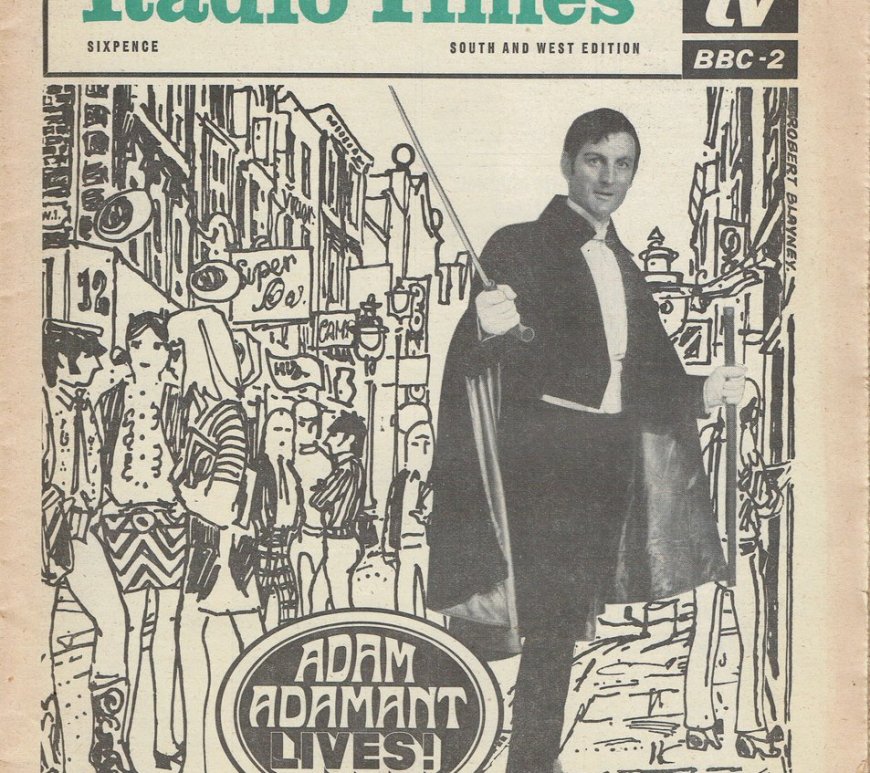
By the time I was growing up in the 1990s, the previous decades of the Post-War years had been heavily codified. The 1950s were very much the 1950s; the 1970s were very much the 1970s, and even the 1980s – the decade I was born in the last year of – were very much the 1980s. The BBC in particular milked this realisation for all … Continue reading The Kaleidoscopic Past of the Counter-Culture Years

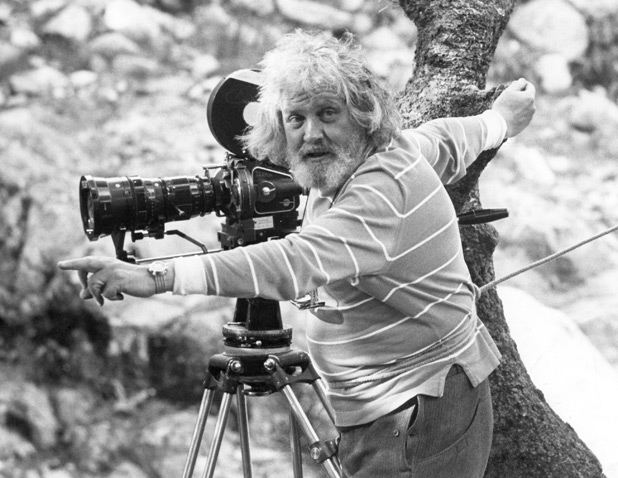
A Musicological Study of Ken Russell’s Composer Films – Part 9 (Conclusions).

Part 1. Part 2. Part 3. Part 4. Part 5. Part 6. Part 7. Part 8. Conclusions. The auteristic traits of any director can have a strong, almost unstoppable effect on a film and its subject matter.  This often ranges from stylistic visual aestheticism to more thematic trends in a director’s body of work.  For this case study of the work of Ken Russell, this … Continue reading A Musicological Study of Ken Russell’s Composer Films – Part 9 (Conclusions).

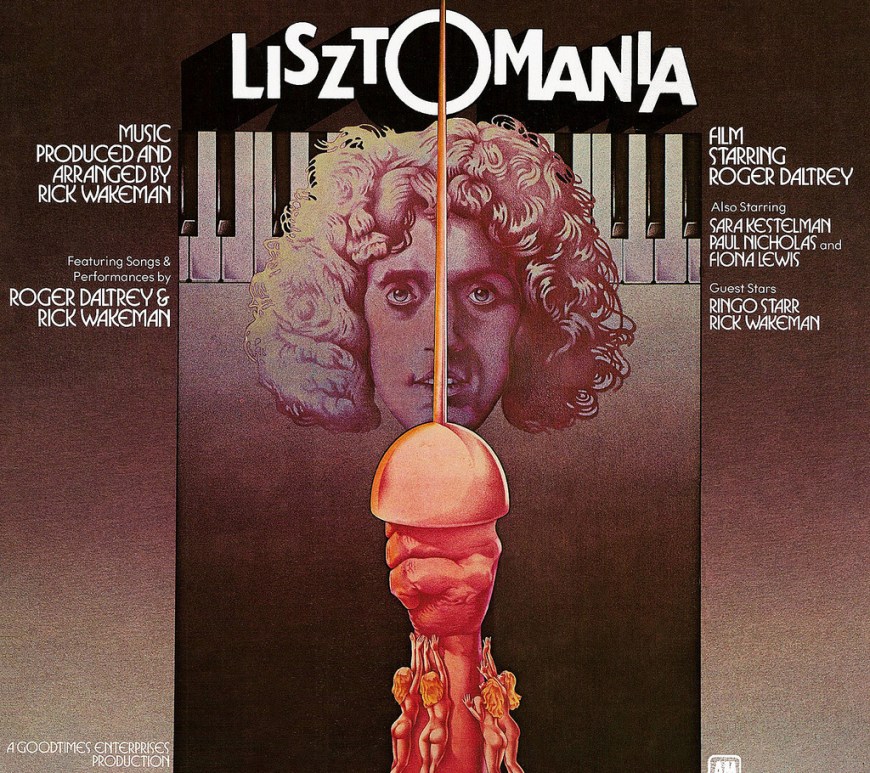
A Musicological Study of Ken Russell’s Composer Films – Part 8 (Lisztomania).

Part 1. Part 2. Part 3. Part 4. Part 5. Part 6. Part 7. Lizstomania and the effect of Rock Aesthetics on Classical Reception. After making Tommy, Russell clearly felt as if there was still new territory to be explored.  The last of his composer films would not simply be a final whimper in the delving into a musical and cultural history, but an all-out … Continue reading A Musicological Study of Ken Russell’s Composer Films – Part 8 (Lisztomania).

A Musicological Study of Ken Russell’s Composer Films – Part 7 (Pop Aesthetics).

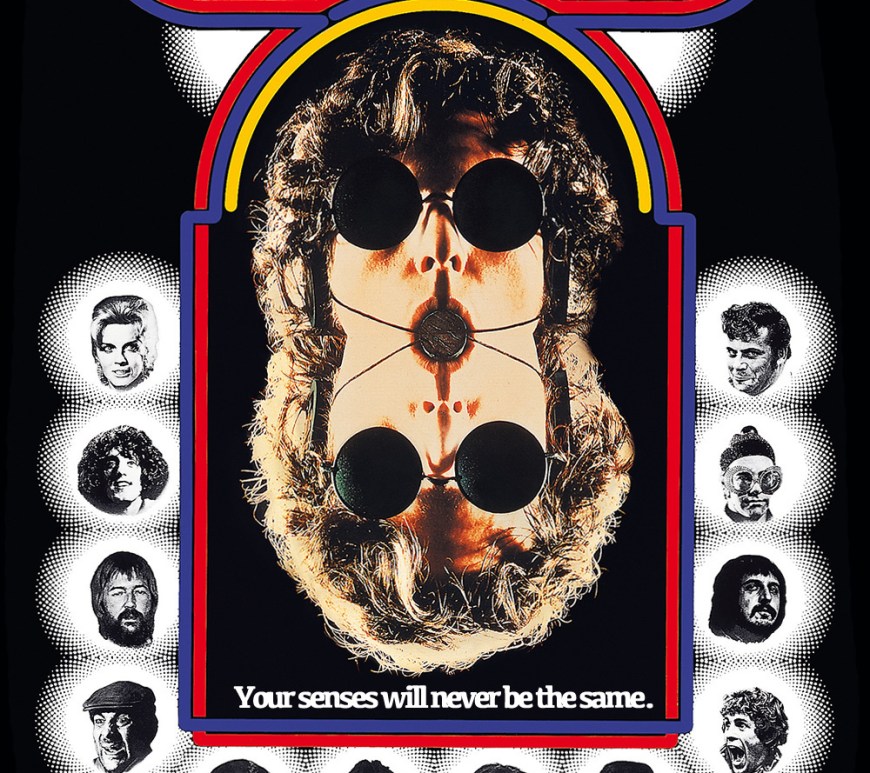
Part 1. Part 2. Part 3. Part 4. Part 5. Part 6.  The Use of Rock and Pop Aesthetics in Lisztomania (1975) and Tommy (1975). While the sociological reaction to classical music is a debatable area, Ken Russell had a very clear vision of how classical composers at least ought to have been received.  A moment in Mahler briefly summarises this idea, where Mahler is … Continue reading A Musicological Study of Ken Russell’s Composer Films – Part 7 (Pop Aesthetics).

A Musicological Study of Ken Russell’s Composer Films – Part 6 (Mahler).

Part 1. Part 2. Part 3. Part 4. Part 5. Mahler (1974) and the Balance Between Personal Reception and History. Mahler is an apt end for this period in Ken Russell’s musical exploration for a number of reasons.  It firstly completes the transition in the director’s popularity as well as the full fledgling of creative confidence.  It also manages to amalgamate all of the elements … Continue reading A Musicological Study of Ken Russell’s Composer Films – Part 6 (Mahler).

A Musicological Study of Ken Russell’s Composer Films – Part 5 (Dance of the Seven Veils).

Part 1. Part 2. Part 3. Part 4.  When approaching a cinematic portrayal of Richard Strauss, Russell is, for the first time in his biographical canon, openly honest about its position within cultural texts.  Dance of the Seven Veils has a sub-heading that reads “A comic strip in 7 episodes on the life of Richard Strauss” which is the first open admission that this is … Continue reading A Musicological Study of Ken Russell’s Composer Films – Part 5 (Dance of the Seven Veils).

A Musicological Study of Ken Russell’s Composer Films – Part 4 (The Music Lovers).

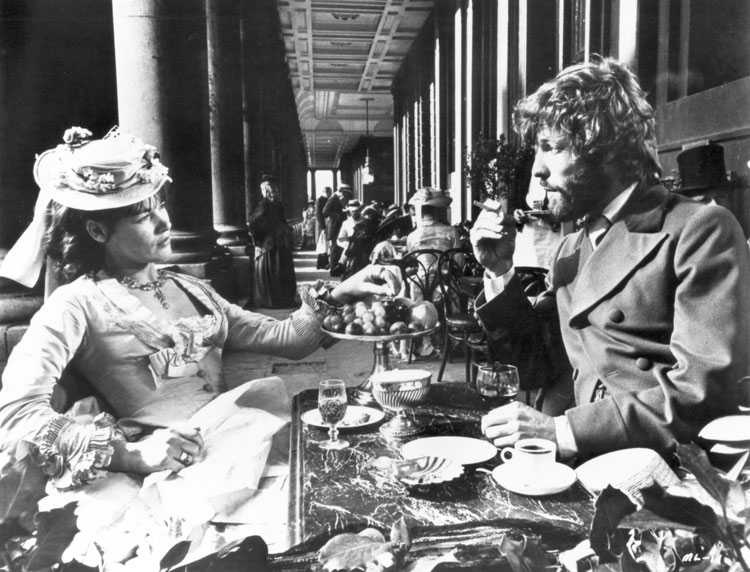
Part 1. Part 2. Part 3. Transitional Films and Symbolic Representations of Classical Composers. In spite of using the visual form as an excuse for experimentation with documentary and biography as seen in his films for the BBC, it wasn’t until the early 1970s where Russell really found material to properly experiment with.  The word experimental however must be contextualised as even the films discussed … Continue reading A Musicological Study of Ken Russell’s Composer Films – Part 4 (The Music Lovers).

Great British Documentaries

“In documentary we deal with the actual, and in one sense with the real. But the really real, if I may use that phrase, is something deeper than that. The only reality which counts in the end is the interpretation which is profound.” – John Grierson. With Sight & Sound’s recent poll for best documentaries (September 2014), I wanted to explore some of the British … Continue reading Great British Documentaries

A Musicological Study of Ken Russell’s Composer Films – Part 3 (The Debussy Film).

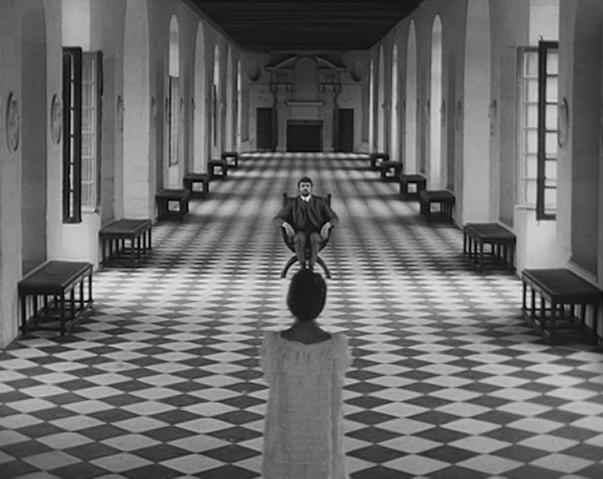
Part 1. Part 2. The Dramatisation of History in The Debussy Film (1965). For a film relatively early on in Russell’s portrayals of classical composers, The Debussy Film is surprisingly knowing about the director’s position as story-teller in the relaying of history to the viewer.  The history of the French “impressionist” composer, Claude Debussy, is one of the more dramatic that Russell chooses to recreate … Continue reading A Musicological Study of Ken Russell’s Composer Films – Part 3 (The Debussy Film).

A Musicological Study of Ken Russell’s Composer Films – Part 2 (Monitor and Bartok).

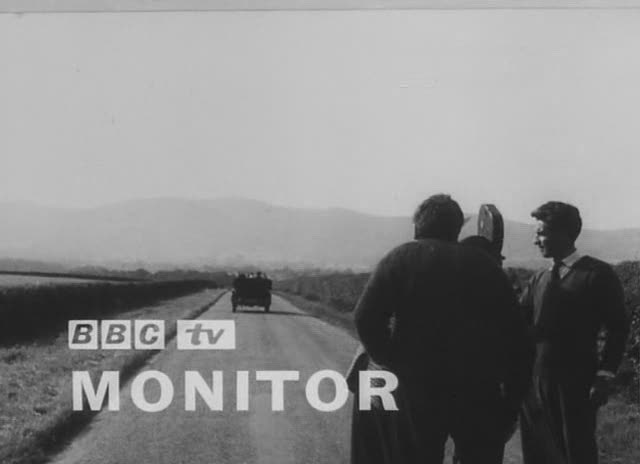
Part 1. BBC Monitor and the Use of Audio-Visual Form as Musicological Comment. The medium that Russell first gained traction in was not in fact film but in television documentaries.  The flop of his first feature film, French Dressing (1964), marks the advent of his daring creativity entering into his work as television director; a role he had begun at the BBC for their documentary … Continue reading A Musicological Study of Ken Russell’s Composer Films – Part 2 (Monitor and Bartok).