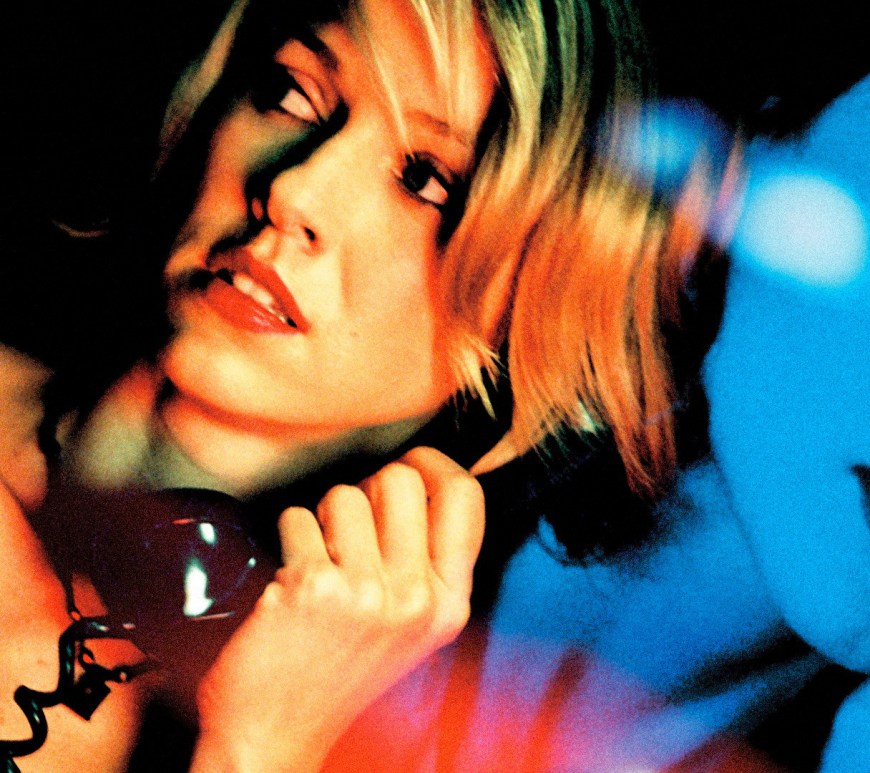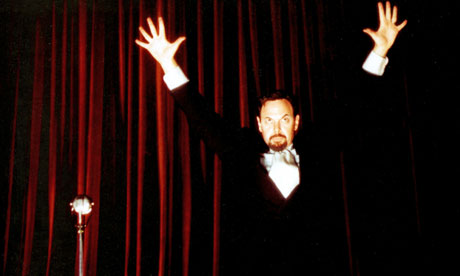
David Lynch’s Assimilation Of The Avant Garde – Part 2 (Musical Score and Club Silencio).

Part 1. Musical score – In the Context of David Lynch and Film Noir. The score for Mulholland Drive is a melting pot of ideas, genres and textures all of which add to the ineffable nature of the film.  Instead of putting the music in contrast with outside environments and films like most normal critiques would, the analysis is firstly in the context of Lynch’s … Continue reading David Lynch’s Assimilation Of The Avant Garde – Part 2 (Musical Score and Club Silencio).

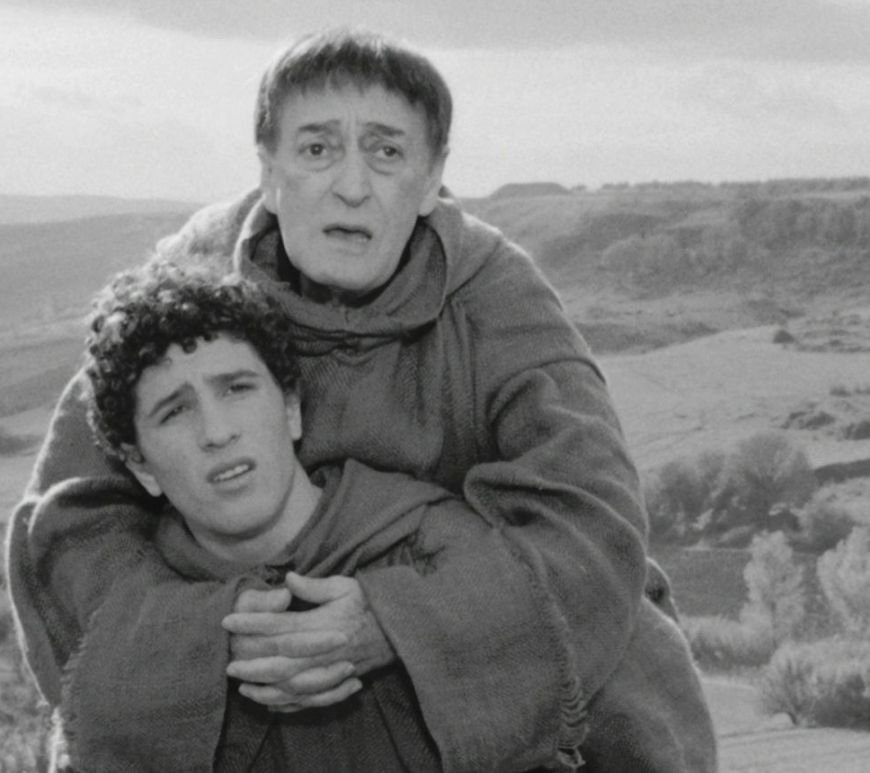
Musical Emphasis on Visual Words (François Truffaut and Pier Paolo Pasolini)

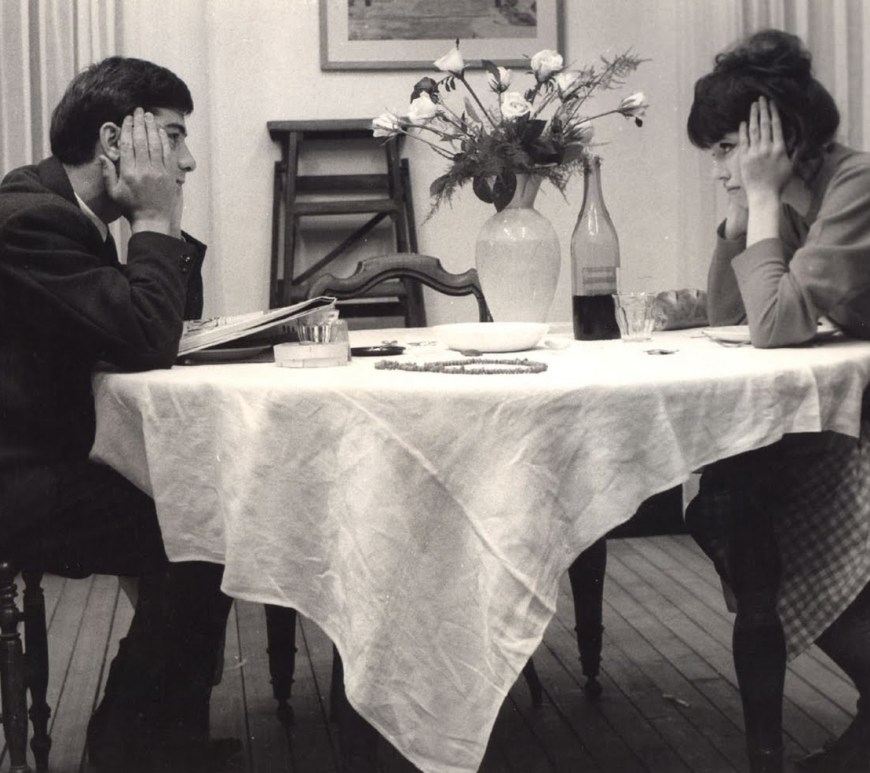
The relationship between sound and vision in film is one that is complex and almost indefinable in a broad sense due to each director and composer treating such relationship in different ways.  The two examples about to be discussed are almost reverse images of each other’s effects; the same method has been applied but for different reasons and different results.  Much examination has taken place … Continue reading Musical Emphasis on Visual Words (François Truffaut and Pier Paolo Pasolini)

David Lynch + Assimilation of Avant-Garde Aesthetics in Subversive, Mainstream Soundtracks (Part 1)

Introduction – The Boundaries Of Criteria. “He was the most original director in 1980s cinema, its only surrealist” – Mark Cousins on David Lynch (2004, p.394). The Avant-Garde is like a spark or a flash of quick-fire creative ideals.  The idea of Avant-Garde cinema is not so much to present an experience or escapism, but is there instead to quickly question the ideals of the audience … Continue reading David Lynch + Assimilation of Avant-Garde Aesthetics in Subversive, Mainstream Soundtracks (Part 1)

The Horror Score Rebellion – Part 3 (Rosemary’s Baby And Popular Music In Horror)

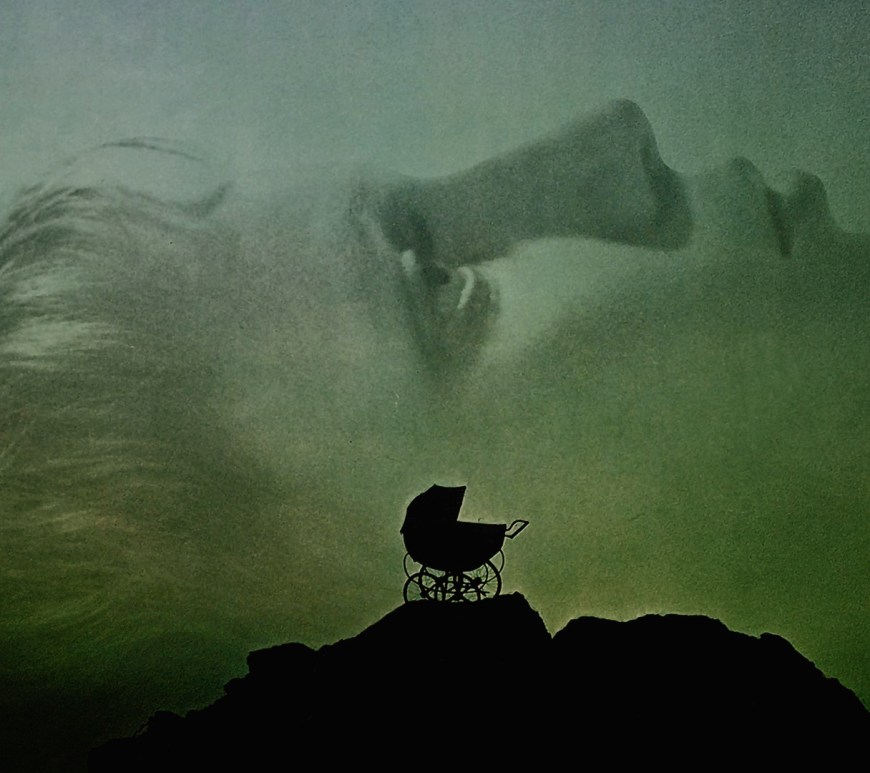
Though 1968 may best be remembered for Romero’s zombies, another film released that same year had a similar impact to the way horror films in the subsequent decade were scored. Rosemary’s Baby, directed by Polish émigré Roman Polanski, has a legacy of imitators that developed from its scoring techniques. Polanski’s tale of the occult in a Manhattan apartment block primarily employs a classical score but large … Continue reading The Horror Score Rebellion – Part 3 (Rosemary’s Baby And Popular Music In Horror)

Avant Godard! – Part 2, Musical Subversion (Bande à Part and Pierrot Le Fou)

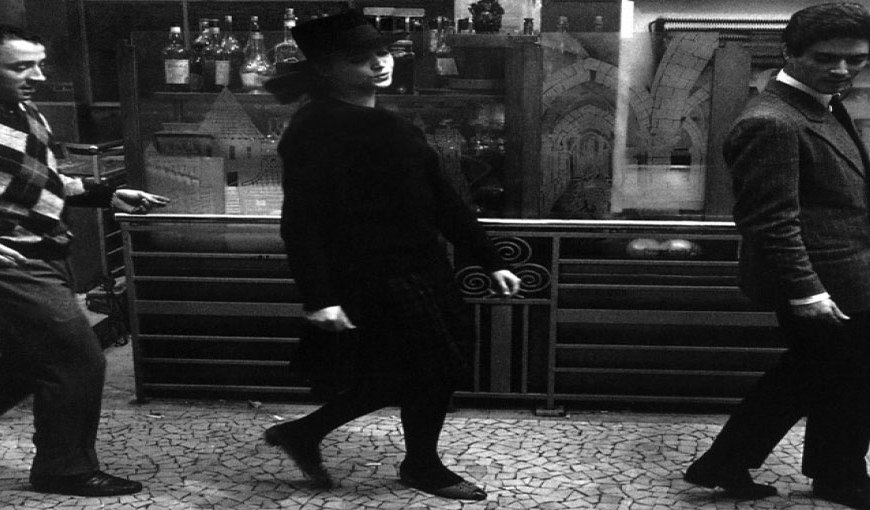
Part 1. Ideas In Later Films By Godard. Godard would continue to subvert the role of record players in his work to similar but more extreme effects. It seems odd that the connecting factor to all the scenes mentioned is the presence of his, then wife, Anna Karina.  Godard is capable of presenting her dancing and singing with a relatively normal relationship between the visual … Continue reading Avant Godard! – Part 2, Musical Subversion (Bande à Part and Pierrot Le Fou)

Avant Godard! Musical Subversion In The Films Of Jean-Luc Godard. (Part 1)

Avant Godard! Musical Subversion And Fictional Interaction With Non-Diegetic Music In The Films Of Jean-Luc Godard. Introduction – French New Wave As Avant Garde. When discussing Avant Garde cinema, the most obvious choices of cinematic subject would no doubt be linked to the likes of Dali, Buñuel and Cocteau.  However, the gradual movement from Avant Garde to Art House cinema presents a more interesting case for Avant Garde … Continue reading Avant Godard! Musical Subversion In The Films Of Jean-Luc Godard. (Part 1)

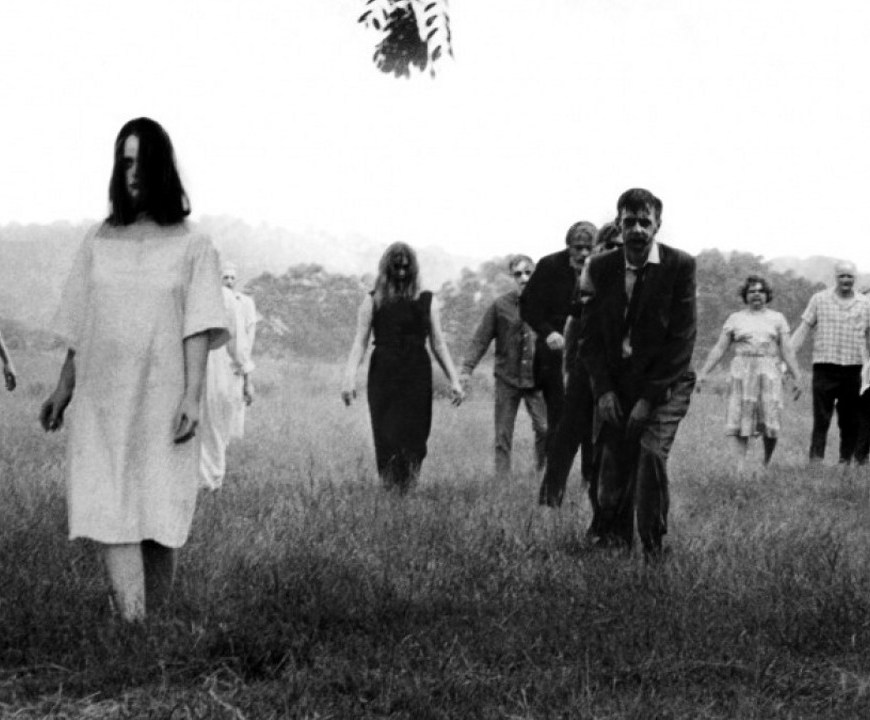
The Horror Score Rebellion Part 2 – Night Of The Living Dead And The Electronic Score.

Horror films were slow on the upkeep when it came to electronic music. Though elements of it were being used in other genres before 1968, electronic music didn’t really reach horror until the late sixties. The exact date of the first use of electronic score has been attributed to various films; largely Cold War fare such as The Day the Earth Stood Still (1951) and Invasion of the … Continue reading The Horror Score Rebellion Part 2 – Night Of The Living Dead And The Electronic Score.

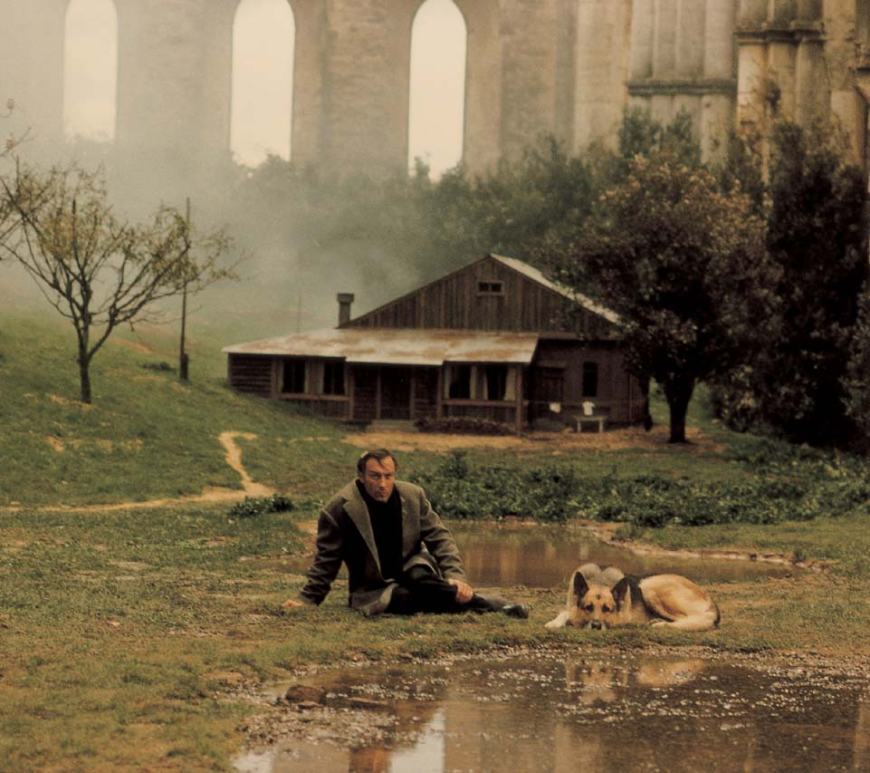
How Historical And Cultural Dynamics Shaped The Work of Andrei Tarkovsky (Part 2-Nostalghia).

Tarkovsky after The Soviet Union “The Artist exists because the world is not perfect” –  Tarkovsky in interview. When considering what makes a cinema officially national, what elements are really being held to account?  No matter what is said, there will always be anomalous results that mean certain visuals, techniques and scores don’t actually define a national cinema but are simply used by it.  Perhaps … Continue reading How Historical And Cultural Dynamics Shaped The Work of Andrei Tarkovsky (Part 2-Nostalghia).

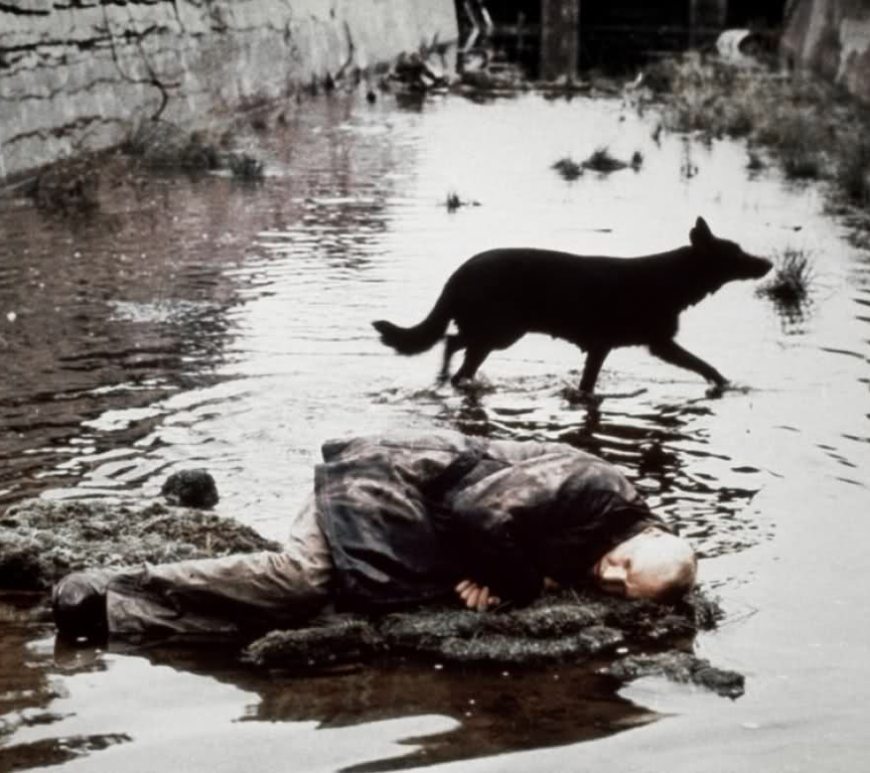
How Historical And Cultural Dynamics Shaped The Work Of Andrei Tarkovsky (Part 1 – Stalker)

Perhaps being from the west, Russian film fulfills that same function as cultural currency meaning we as a western audience are only shown what the country considers to be its finest and most cultured films yet this matters little in an argument for national cinemas as this is the image projected to us as an audience and only a true Russian will know whether all … Continue reading How Historical And Cultural Dynamics Shaped The Work Of Andrei Tarkovsky (Part 1 – Stalker)