

Tag: Film music

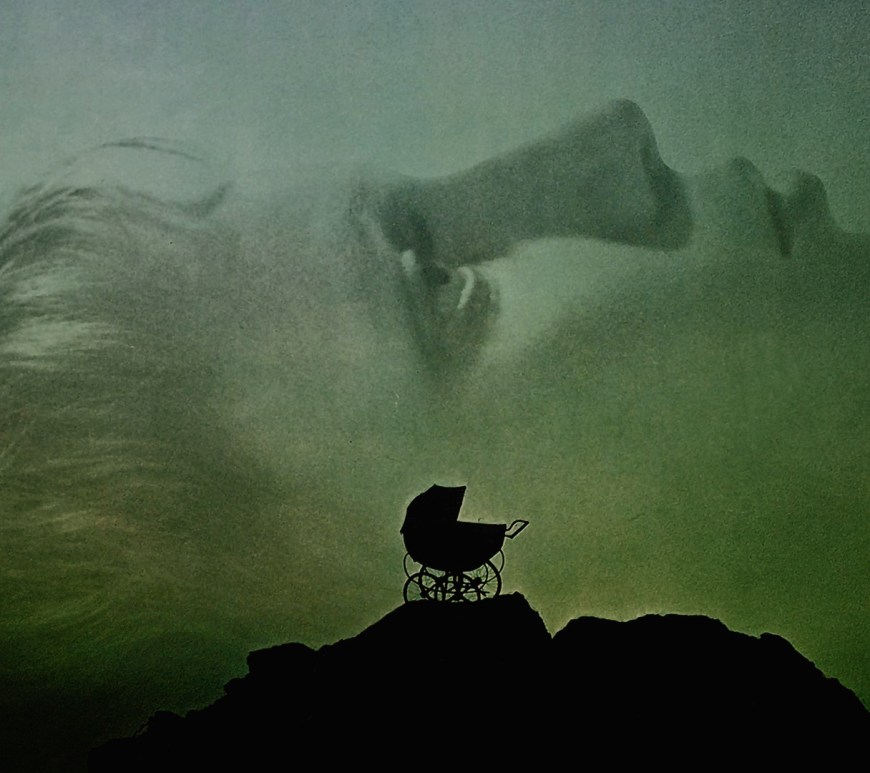
The Horror Score Rebellion – Part 3 (Rosemary’s Baby And Popular Music In Horror)
Though 1968 may best be remembered for Romero’s zombies, another film released that same year had a similar impact to the way horror films in the subsequent decade were scored. Rosemary’s Baby, directed by Polish émigré Roman Polanski, has a legacy of imitators that developed from its scoring techniques. Polanski’s tale of the occult in a Manhattan apartment block primarily employs a classical score but large … Continue reading The Horror Score Rebellion – Part 3 (Rosemary’s Baby And Popular Music In Horror)
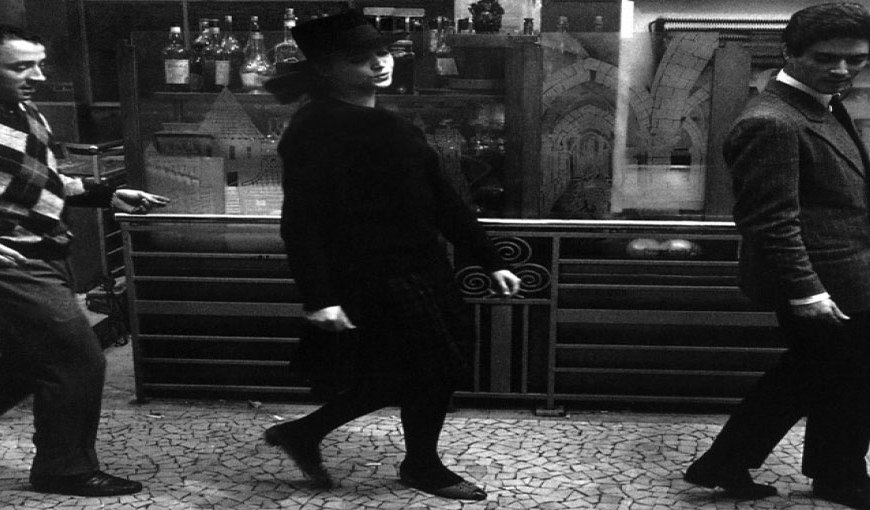
Avant Godard! – Part 2, Musical Subversion (Bande à Part and Pierrot Le Fou)
Part 1. Ideas In Later Films By Godard. Godard would continue to subvert the role of record players in his work to similar but more extreme effects. It seems odd that the connecting factor to all the scenes mentioned is the presence of his, then wife, Anna Karina. Godard is capable of presenting her dancing and singing with a relatively normal relationship between the visual … Continue reading Avant Godard! – Part 2, Musical Subversion (Bande à Part and Pierrot Le Fou)
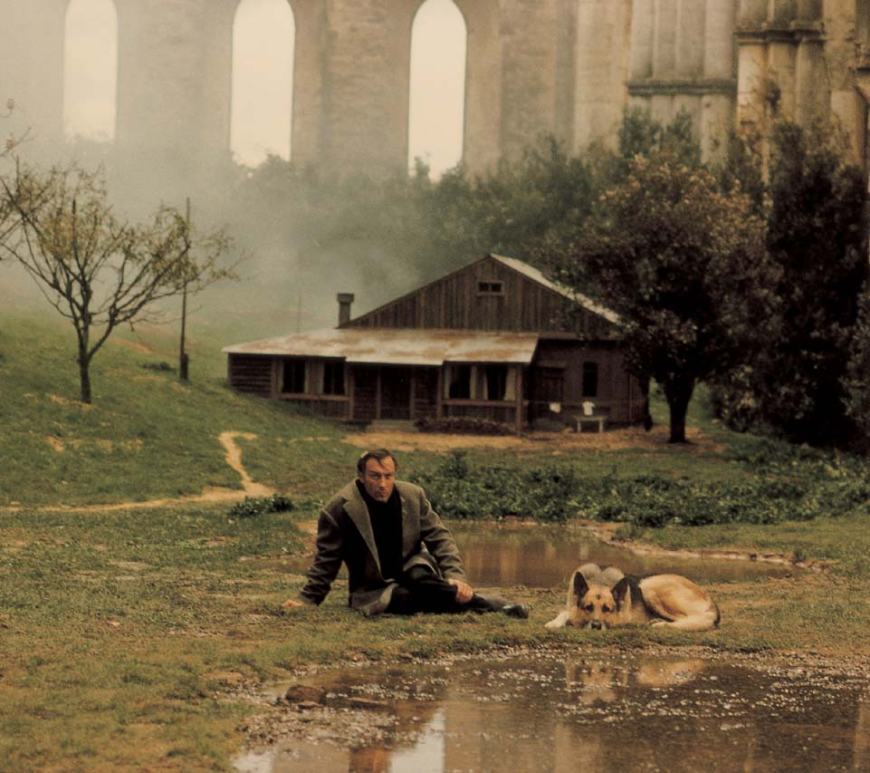
How Historical And Cultural Dynamics Shaped The Work of Andrei Tarkovsky (Part 2-Nostalghia).
Tarkovsky after The Soviet Union “The Artist exists because the world is not perfect” – Tarkovsky in interview. When considering what makes a cinema officially national, what elements are really being held to account? No matter what is said, there will always be anomalous results that mean certain visuals, techniques and scores don’t actually define a national cinema but are simply used by it. Perhaps … Continue reading How Historical And Cultural Dynamics Shaped The Work of Andrei Tarkovsky (Part 2-Nostalghia).
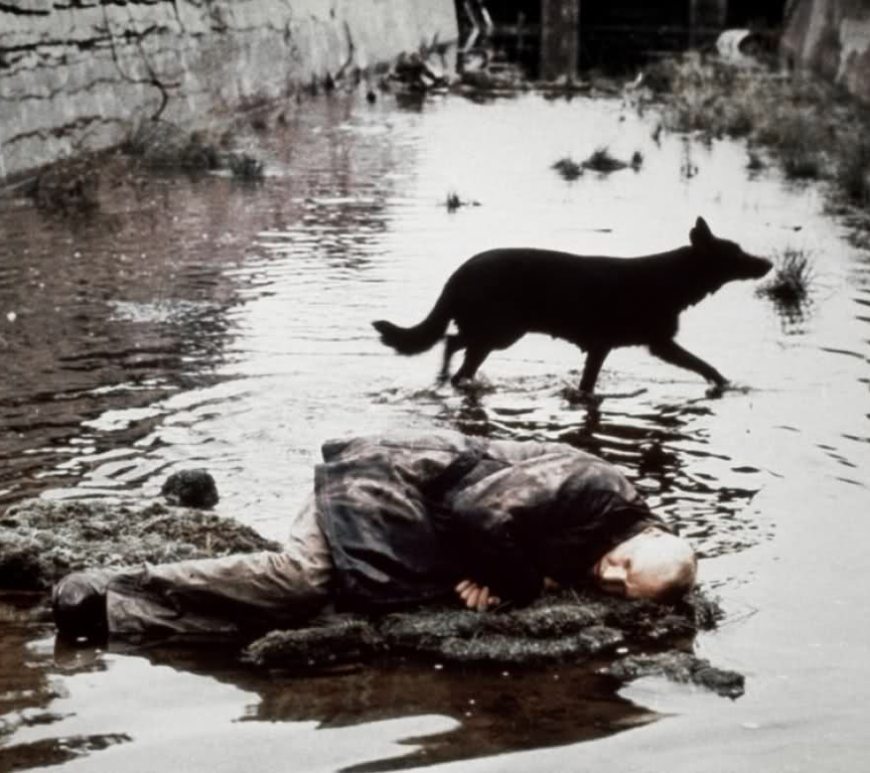
How Historical And Cultural Dynamics Shaped The Work Of Andrei Tarkovsky (Part 1 – Stalker)
Perhaps being from the west, Russian film fulfills that same function as cultural currency meaning we as a western audience are only shown what the country considers to be its finest and most cultured films yet this matters little in an argument for national cinemas as this is the image projected to us as an audience and only a true Russian will know whether all … Continue reading How Historical And Cultural Dynamics Shaped The Work Of Andrei Tarkovsky (Part 1 – Stalker)
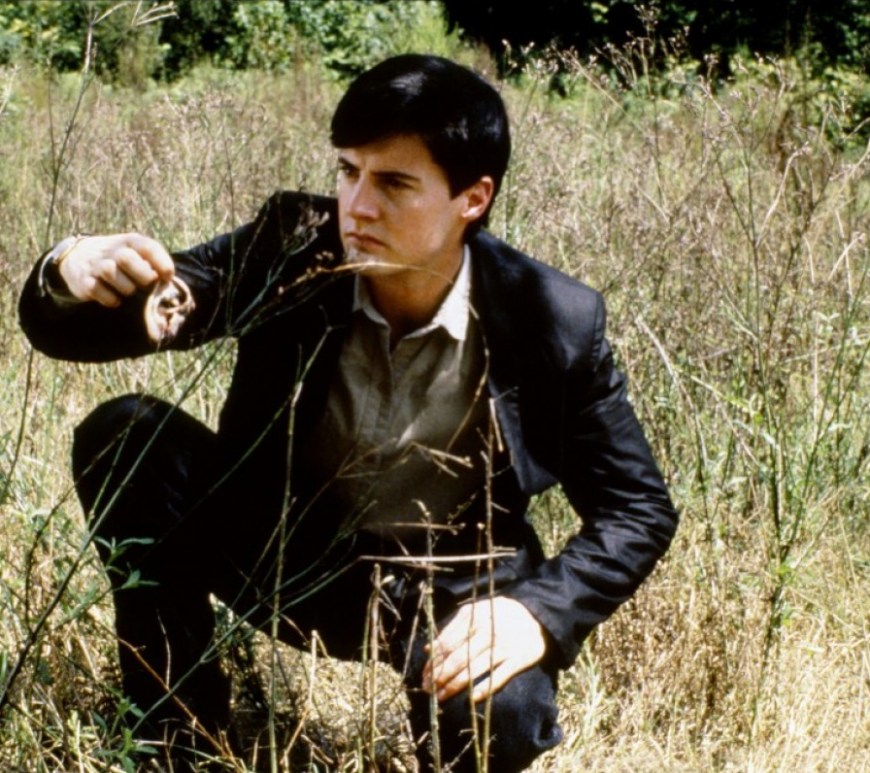
Film Scores and the Social Construction of Emotions (Lynch and Kubrick) – Part 2
Playing against our expectations and how music can twist our emotional construction and beliefs on scenarios of reality for its own ends. “Music is a “mirror” that allows one to “see one’s self”” – Slobada and O’Neill quoting DeNora (1999 p51). I mentioned early about the dark to side to my argument but also how it backs up my initial ideas more effectively then the … Continue reading Film Scores and the Social Construction of Emotions (Lynch and Kubrick) – Part 2
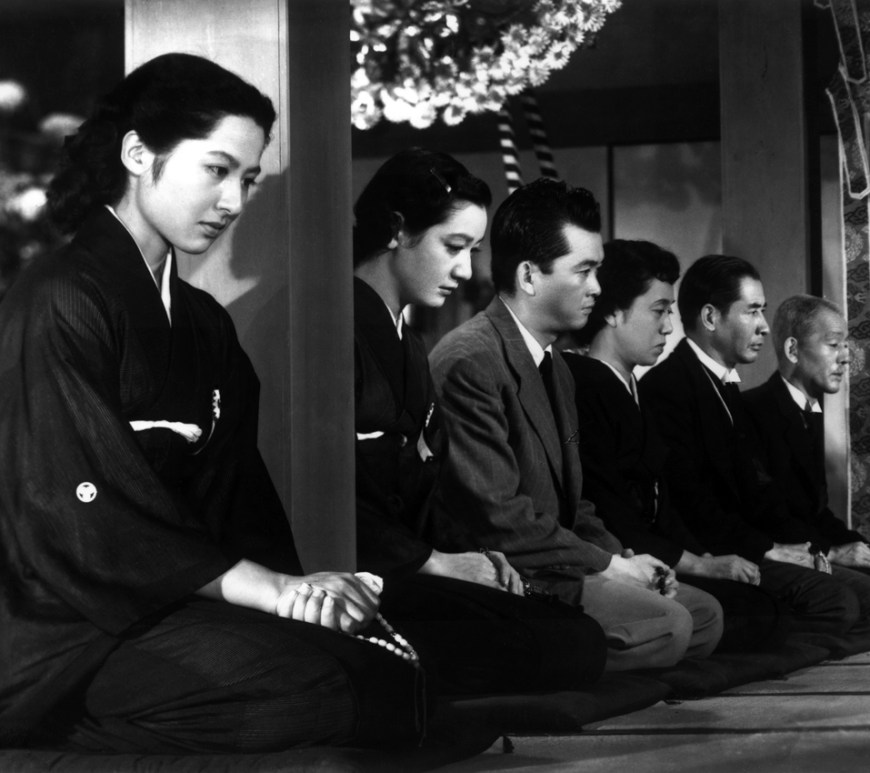
Film Scores and the Social Construction of Emotions (Kurosawa and Ozu) – Part 1.
As a race of individual people, trying to find out where our characteristics came from can be a difficult task. More specifically, trying to deduce whether we gained emotional characteristics on our own or whether they were influenced by outside factors (also meaning that these outside factors have in fact been effected by our emotions and not the other way round) is an almost impossible … Continue reading Film Scores and the Social Construction of Emotions (Kurosawa and Ozu) – Part 1.
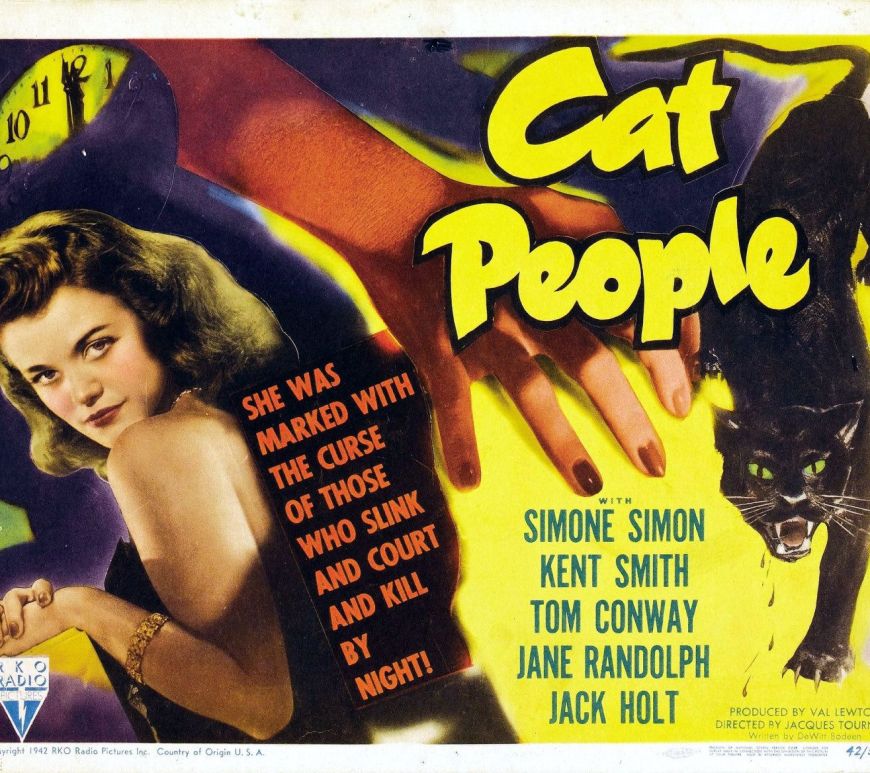
The Horror Film Score Rebellion Part 1 – Classic Horror
INTRODUCTION 1968 was the year that horror cinema sought to change the way in which it scored its films and began to develop alternatives to the increasingly cliched sounds that had become a staple of the genre since the silent era. David Raskin, who had scored the first two Basil Rathbone-starring Sherlock Holmes films in the early thirties, as well as a number of film … Continue reading The Horror Film Score Rebellion Part 1 – Classic Horror

