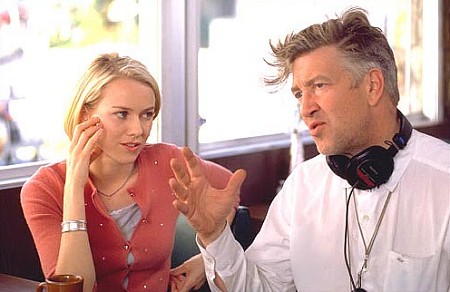
David Lynch’s Avant-Garde Uses Of Music – Part 3 (Influence).

Part 1. Part 2. Mulholland Drive In Context of Other Subversive Mainstream Films (Eyes Wide Shut). “For the duration of his career, and despite the size of his productions and the fact that they were all studio funded, Kubrick was very much an independent filmmaker.” – Horsley (2005, p.54) Lynch isn’t the only director to take Hollywood visuals and use them for his own artistic ends.  A … Continue reading David Lynch’s Avant-Garde Uses Of Music – Part 3 (Influence).

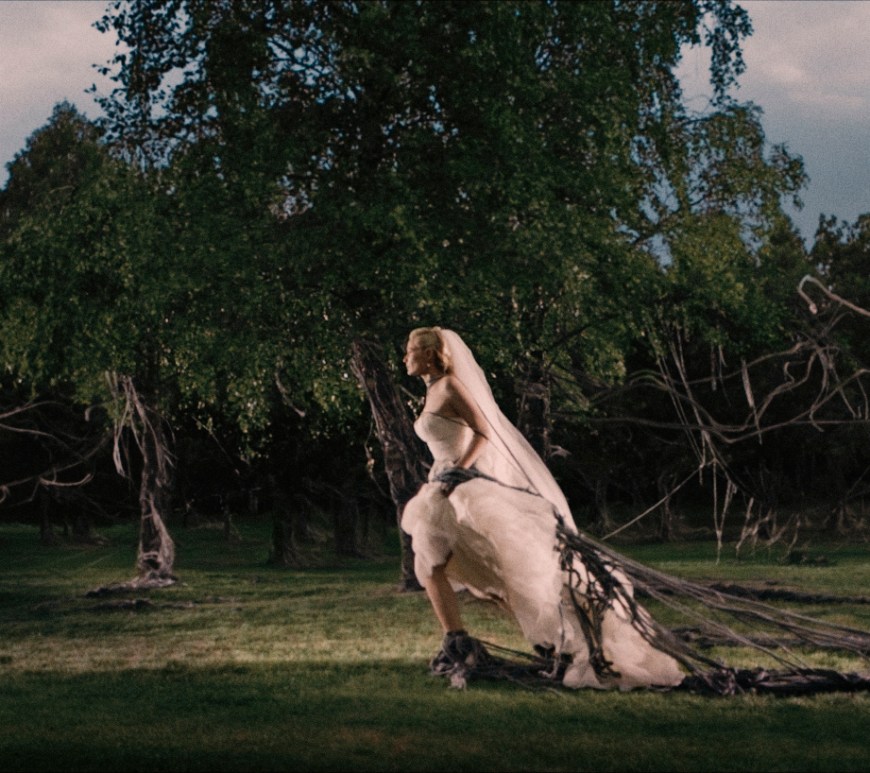
Solitary Music In Melancholia and The Turin Horse (von Trier and Tarr).

This article contains spoilers. Considering the large amount of time and effort that goes into creating and putting together the soundtrack to a film, one of the most interesting creative choices for filmmakers (often outside of the mainstream) is to use a piece of music continuously throughout rather than use different music for different scenes and segments.  This choice often highlights a desire for the … Continue reading Solitary Music In Melancholia and The Turin Horse (von Trier and Tarr).

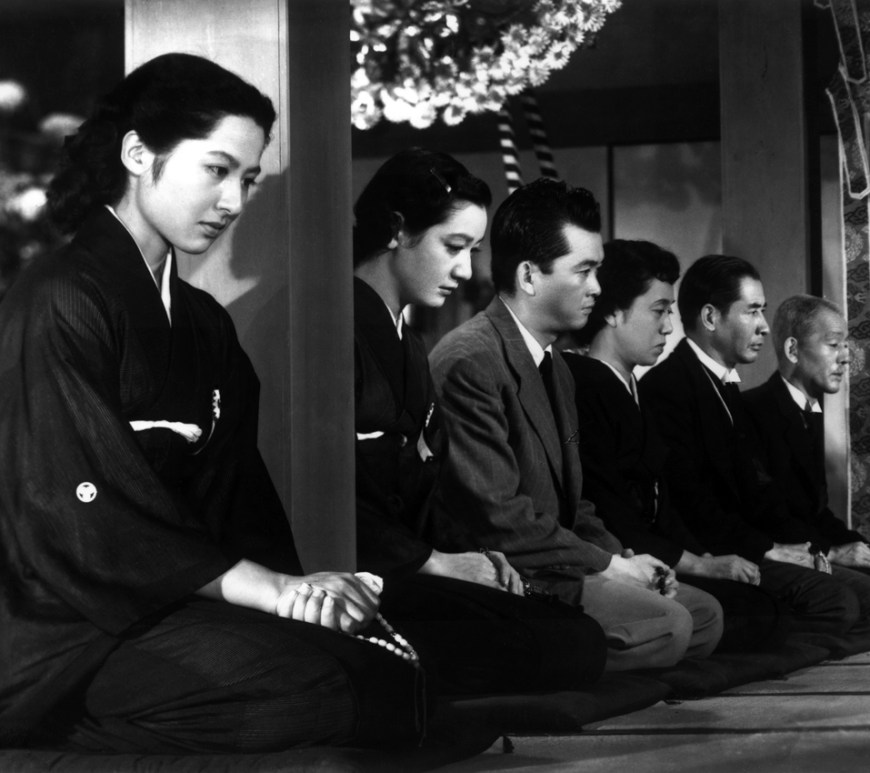
Film Scores and the Social Construction of Emotions (Kurosawa and Ozu) – Part 1.

As a race of individual people, trying to find out where our characteristics came from can be a difficult task.  More specifically, trying to deduce whether we gained emotional characteristics on our own or whether they were influenced by outside factors (also meaning that these outside factors have in fact been effected by our emotions and not the other way round) is an almost impossible … Continue reading Film Scores and the Social Construction of Emotions (Kurosawa and Ozu) – Part 1.