Elemental Chaos and Eternal Return in Scriabin and Andrei Tarkovsky – Part 2 (Chaos)

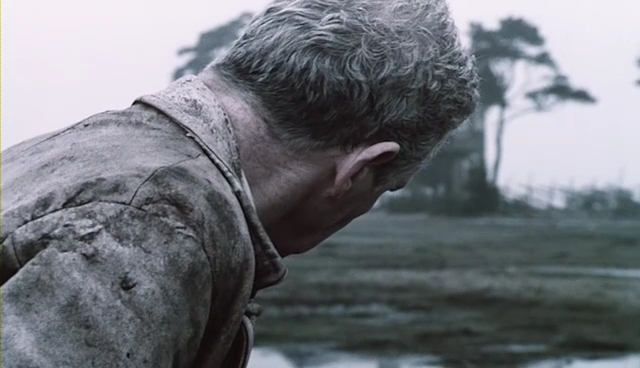
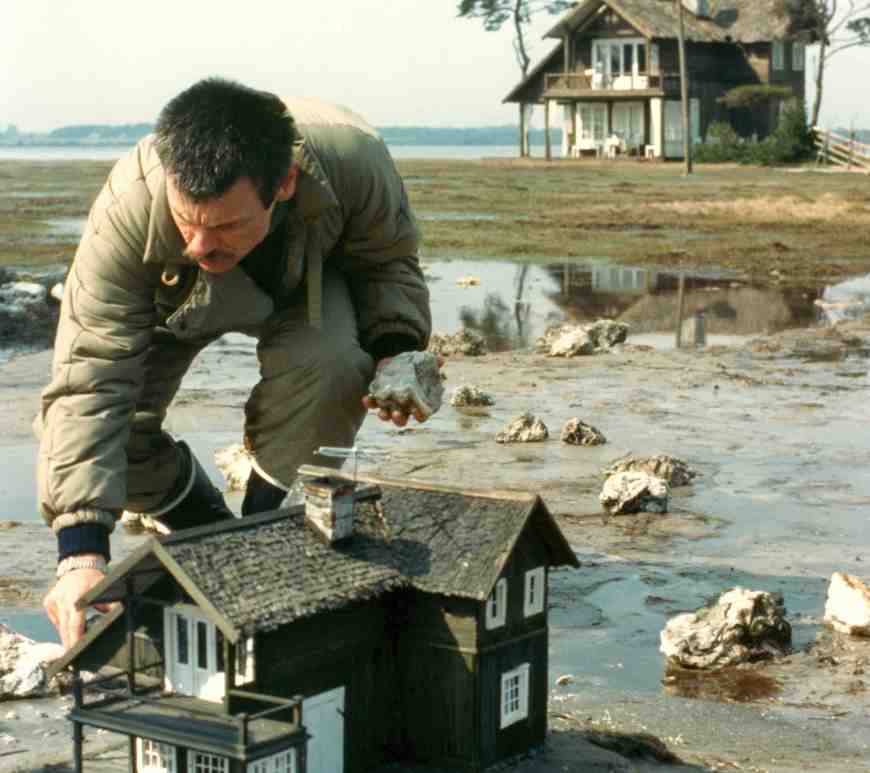
Part 1. Elemental Chaos. “The Mountains, Fields, Meadows, Forest, and Wilderness of the Preparatory Act text symbolize the mineral kingdom and natural kingdoms of the Earth, the first three “Rounds” of the Wheel of Cosmic life.” (1998, p.303) – Stephen Morris. It is not revolutions and upheavals That clear the road to new and better days, But revelations, lavishness and torments Of someone’s soul, inspired … Continue reading Elemental Chaos and Eternal Return in Scriabin and Andrei Tarkovsky – Part 2 (Chaos)


Ligeti’s Atmosphères as a Musical Foreshadowing of Kubrick’s 2001- Part 1 (Introduction)

Ligeti’s Atmosphères as a Musical Foreshadowing of Stanley Kubrick’s 2001: A Space Odyssey. Introduction. “First in Cologne in 1957 and later during my long stay in Vienna in the ’60s, I gradually evolved a musical style in which I abandoned structures conceived in terms of bars, melodies, lines and conventional forms.  In this respect my first two orchestral works, Apparitions and Atmosphères, are the most … Continue reading Ligeti’s Atmosphères as a Musical Foreshadowing of Kubrick’s 2001- Part 1 (Introduction)

Elemental Chaos and Eternal Return in Scriabin and Andrei Tarkovsky – Part 1 (Introduction)

Elemental Chaos and Nietzsche’s Eternal Return in the Music of Alexander Scriabin and the Films of Andrei Tarkovsky. Introduction “It is as natural to die as to be born; and to a little infant, perhaps, the one is as painful as the other.” (1625/2002, p.344) – Francis Bacon. The cyclic nature of life and the process of destruction and rejuvenation has been a subject of … Continue reading Elemental Chaos and Eternal Return in Scriabin and Andrei Tarkovsky – Part 1 (Introduction)

Peeping Tom (Michael Powell,1960) – Aural Perspectives of Murder.

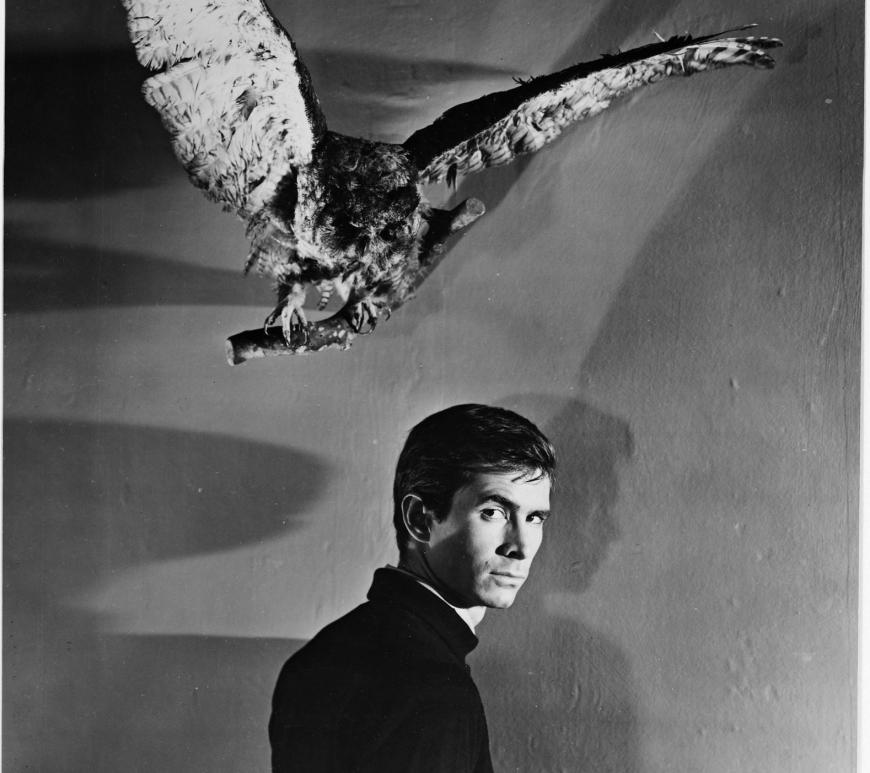
In spite of its very energetic reappraisal and various analyses, Michael Powell’s career destroying masterpiece, Peeing Tom (1960), is a film whose musical eccentricities and sound design contain hidden depths. For a film that appears on the surface to be almost excessively Freudian, this was normal yet, when looking at some of the detailed reappraisals and even some of the high-end re-evaluations of its narrative … Continue reading Peeping Tom (Michael Powell,1960) – Aural Perspectives of Murder.

Analysis of Sound and Music in Alfred Hitchcock’s Psycho (1960) – Part 4 (Conclusions)

Part 1. Part 2. Part 3.  Combining the Readings: Similarities, Contradictions and Cross-Over. “It’s as if the film were pinpointing the very essence of the unfilmable: the entwined couple, monstrous, the two-backed beast of the primal scene, the impossible couple of body and voice.” – Michel Chion (1999, p.149). While Murphy and Fenimore examine and address different points and issues, their resulting essays not only … Continue reading Analysis of Sound and Music in Alfred Hitchcock’s Psycho (1960) – Part 4 (Conclusions)

Distant Voices, Still Lives (Part 3) – Music, Memory and Society.

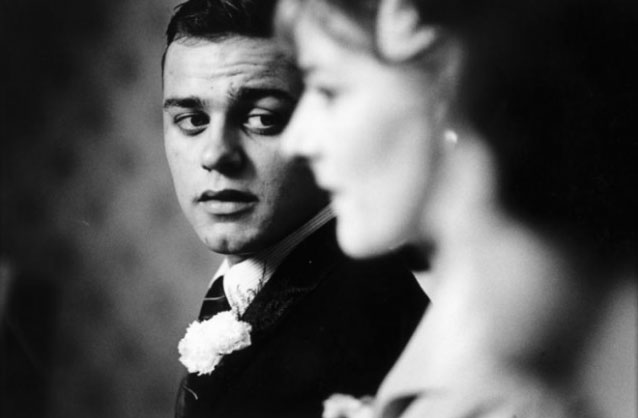
Part 1. Part 2. Part 3. Part 4. Part 5. Part 6. Music, Memory and Society. Adorno and Eisler argue that: “As a matter of principle, priority goes to the truly novel musical resources. However, motion-picture music can also summon other musical resources of the most varied nature, on the condition that it reaches the most advanced contemporary modes of composing, which are characterized by … Continue reading Distant Voices, Still Lives (Part 3) – Music, Memory and Society.

Antichrist (Lars von Trier) and Handel’s Aria (Lascia ch’io pianga)

Lars von Trier’s recent film work often uses very specific musical cues within its narrative framework.  His visual style has developed very clearly beyond his self-imposed Dogma ’95 rulings, and his sound world also reflects this almost seismic change. Though music is equally as imposing in his 2011 Melancholia, the music used in his controversial 2009 film, Antichrist, sums up this sparse but very specific musical … Continue reading Antichrist (Lars von Trier) and Handel’s Aria (Lascia ch’io pianga)

Distant Voices, Still Lives – Nostalgia and Hardship Through Sound & Music (Part 1).

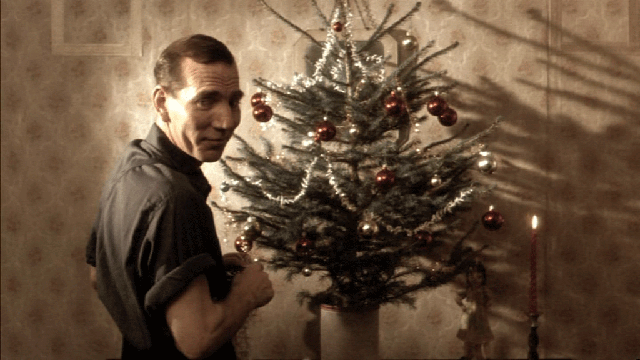
Part 1. Part 2. Part 3. Part 4. Working Class Pasts – Nostalgia and Past Hardship Through Sound and Music. “Since the 1970s especially, the tendency has grown for directors to indulge their own musical tastes in scoring a film” (Gorbman, 2006, p.17). Distant Voices, Still Lives (1988) – Differences in Time. Terence Davies’ autobiographical second feature is the last film to be examined.  Unlike … Continue reading Distant Voices, Still Lives – Nostalgia and Hardship Through Sound & Music (Part 1).

South Korean Film Scores and Ease of Distribution – Part 5 (Blades of Blood and Conclusions)

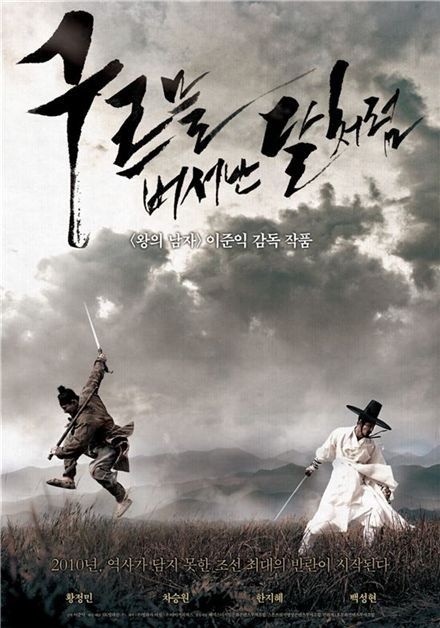
Part 1 Part 2 Part 3 Part 4 Blades of Blood (2010) – Joon-Ik Lee Joon-ik Lee’s 2010 film Blades of Blood shares a number of similarities with both the previously mentioned examples. The film is a modern, violent period picture based on a graphic novel. It is stylistically similar to Oldboy, especially within its colour palate though rarely recreates the standard set by Park. … Continue reading South Korean Film Scores and Ease of Distribution – Part 5 (Blades of Blood and Conclusions)

The Use of Sound & Music in British Working Class Film – Part 3 (British New Wave Cinema).

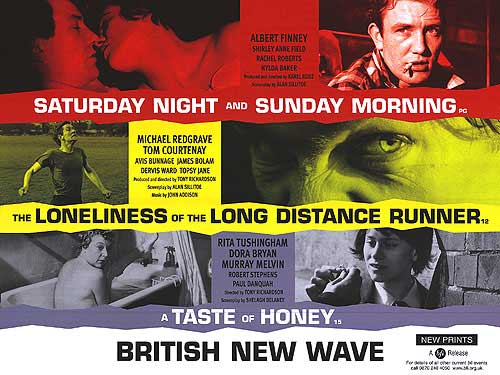
Part 1. Part 2. Metaphorical Music and British New Wave Film. “But who could describe the delicious sensation produced in me by the delicate harmony and angelic singing of that song which finally did! What an awakening, what bliss, what ecstasy when I opened my ears and my eyes together!” (Rousseau, 1781, p.294). British New Wave Film. The British New Wave movement, like so many … Continue reading The Use of Sound & Music in British Working Class Film – Part 3 (British New Wave Cinema).