Festival (1996) and the Acceptance of Loss – Im Kwon-Taek.

Celebrating loss can be a difficult task even for the more optimistic of personas.  The idea of someone being physically and emotionally lost is not a pleasant experience which, at best can provide some cathartic character building in between the tears and complete incomprehension as to what exactly it means to live or die.  It’s a theme familiar in many filmmaker’s auteur driven, thematic catalogues, … Continue reading Festival (1996) and the Acceptance of Loss – Im Kwon-Taek.

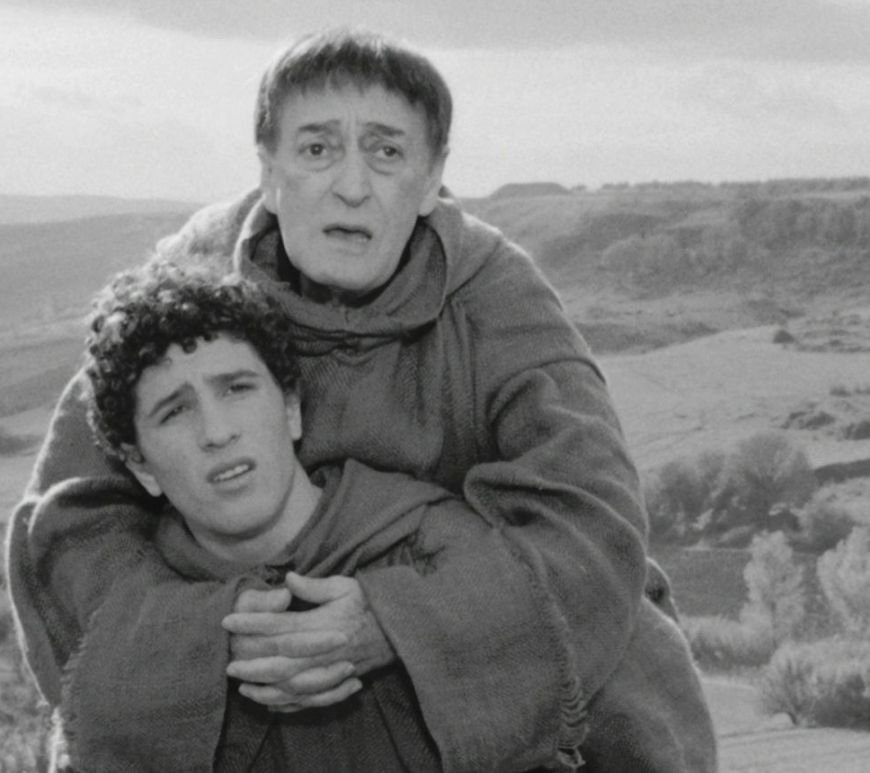
Musical Emphasis on Visual Words (François Truffaut and Pier Paolo Pasolini)

The relationship between sound and vision in film is one that is complex and almost indefinable in a broad sense due to each director and composer treating such relationship in different ways.  The two examples about to be discussed are almost reverse images of each other’s effects; the same method has been applied but for different reasons and different results.  Much examination has taken place … Continue reading Musical Emphasis on Visual Words (François Truffaut and Pier Paolo Pasolini)

Maya Deren And The Scores Of Teiji Ito (Meshes Of The Afternoon + Others)

Time past and time future, What might have been and what has been, Point to one end, which is always present. – T.S Eliot (Four Quartets) There’s a clash often present in the films of Maya Deren but especially in the ones that incorporate music into their styling.  From her most famous short Meshes Of The Afternoon (1943 or 1952 with music) to other titles such as … Continue reading Maya Deren And The Scores Of Teiji Ito (Meshes Of The Afternoon + Others)